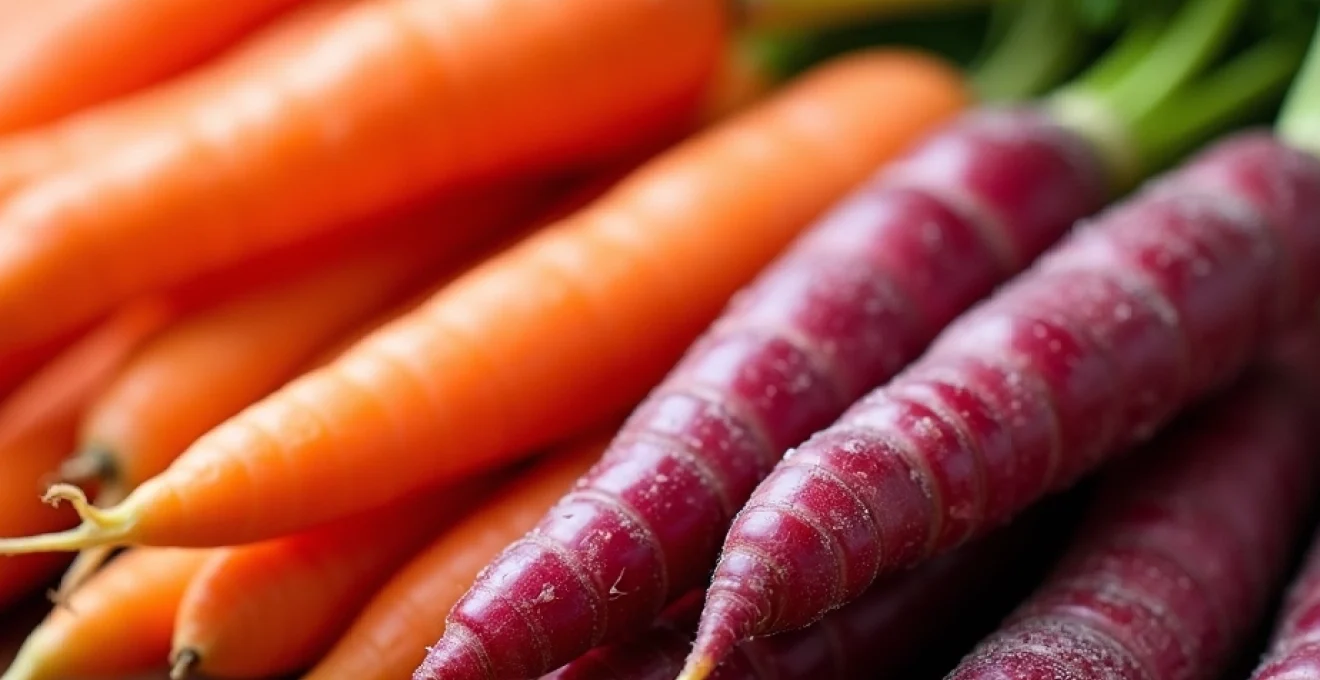
Carrots have transcended their traditional orange identity to embrace a vibrant spectrum of colours, with purple varieties gaining significant attention from health-conscious consumers and researchers alike. This renaissance of coloured carrots isn’t merely aesthetic – it represents a fundamental shift in our understanding of plant-based nutrition and the diverse phytochemical profiles that different pigmentations can offer. Purple carrots , once the dominant variety in ancient cultivation, are experiencing renewed interest due to their unique nutritional composition and potential health benefits that extend beyond their orange counterparts.
The question of whether purple carrots surpass orange varieties in nutritional value requires a comprehensive examination of their biochemical profiles, antioxidant capacities, and bioavailability characteristics. Modern analytical techniques have revealed fascinating differences between these carrot varieties that go far beyond superficial colour variations, offering insights into how plant pigmentation directly correlates with specific health-promoting compounds.
Anthocyanin content analysis: purple vs orange carrot pigmentation
The distinctive purple hue of these carrots stems from their exceptionally high concentration of anthocyanins, a class of flavonoid compounds responsible for the deep red, purple, and blue colours in many fruits and vegetables. Unlike orange carrots, which derive their colour primarily from carotenoids, purple varieties contain substantial quantities of these powerful antioxidant compounds that provide unique therapeutic benefits. Research indicates that purple carrots can contain up to 28 times more anthocyanin antioxidants compared to their orange counterparts, representing a significant nutritional advantage.
These anthocyanin compounds function as potent free radical scavengers, offering protection against oxidative stress and cellular damage. The concentration of these pigments varies considerably among different purple carrot cultivars, with some varieties containing over 300 mg of total anthocyanins per kilogram of fresh weight. This remarkable concentration places purple carrots among the most anthocyanin-rich vegetables available, competing with traditionally recognised sources like blueberries and blackberries.
Cyanidin-3-glucoside concentrations in purple carrot cultivars
Cyanidin-3-glucoside represents the predominant anthocyanin compound found in purple carrots, typically comprising 60-80% of the total anthocyanin content. This specific compound has demonstrated remarkable stability during storage and processing, making it particularly valuable from both nutritional and commercial perspectives. Advanced HPLC analysis reveals that elite purple carrot cultivars can contain between 150-250 mg of cyanidin-3-glucoside per kilogram of fresh tissue.
The bioactivity of cyanidin-3-glucoside extends beyond simple antioxidant properties, with research demonstrating its capacity to modulate inflammatory pathways and support cardiovascular health. Studies have shown that this compound can effectively inhibit pro-inflammatory cytokines and reduce markers of oxidative stress in human trials, positioning it as a significant contributor to the health benefits associated with purple carrot consumption.
Beta-carotene density measurements in daucus carota orange varieties
Orange carrots maintain their nutritional supremacy in beta-carotene content, typically containing 8-12 mg of this vital precursor to vitamin A per 100g of fresh weight. This concentration represents approximately 16,000-20,000 International Units of vitamin A activity, making orange carrots one of the most efficient dietary sources of this essential nutrient. The beta-carotene in orange carrots exists primarily in the all-trans configuration, which demonstrates optimal bioavailability when consumed with dietary fats.
Interestingly, purple carrots also contain beta-carotene, though in lower concentrations averaging 3-6 mg per 100g. This dual pigmentation system allows purple varieties to provide both anthocyanin and carotenoid benefits, though the beta-carotene levels remain significantly lower than those found in traditional orange cultivars. The presence of anthocyanins in purple carrots can actually enhance the stability of beta-carotene during storage and processing, creating a synergistic preservation effect.
Spectrophotometric assessment of total phenolic compounds
Comprehensive phenolic profiling reveals that purple carrots contain approximately 9 times more total polyphenol antioxidants compared to orange varieties. Spectrophotometric analysis using the Folin-Ciocalteu method typically yields total phenolic contents ranging from 800-1200 mg gallic acid equivalents per kilogram of fresh weight in purple cultivars, compared to 100-150 mg GAE/kg in orange varieties. This dramatic difference reflects the complex secondary metabolite profile that develops alongside anthocyanin biosynthesis.
The phenolic compounds in purple carrots include not only anthocyanins but also significant quantities of hydroxycinnamic acids, particularly chlorogenic acid and caffeic acid. These compounds contribute to the overall antioxidant capacity and provide additional anti-inflammatory properties that complement the activity of anthocyanins. The synergistic interaction between different phenolic compounds creates what researchers term the “entourage effect,” where the combined activity exceeds the sum of individual components.
HPLC analysis of flavonoid profiles in coloured carrot phenotypes
High-performance liquid chromatography reveals distinct flavonoid fingerprints between purple and orange carrot varieties, with purple carrots demonstrating significantly greater structural diversity in their flavonoid compositions. Beyond anthocyanins, purple carrots contain notable concentrations of quercetin derivatives, kaempferol glycosides, and various flavone compounds that are absent or present in trace amounts in orange varieties.
The flavonoid profile complexity in purple carrots creates multiple pathways for health benefits, with different compounds targeting various aspects of human physiology. Quercetin derivatives, for instance, provide anti-allergenic and anti-inflammatory effects, while kaempferol compounds support cardiovascular health and may offer neuroprotective benefits. This flavonoid diversity positions purple carrots as functionally superior in terms of broad-spectrum health promotion.
Antioxidant capacity comparison: ORAC and DPPH assay results
Standardised antioxidant capacity testing reveals striking differences between purple and orange carrot varieties, with purple cultivars consistently demonstrating superior performance across multiple analytical methods. The Oxygen Radical Absorbance Capacity (ORAC) assay, considered the gold standard for antioxidant measurement, typically yields values 8-12 times higher for purple carrots compared to orange varieties. These results correlate directly with the enhanced phenolic content and provide quantitative evidence for the superior antioxidant potential of purple carrots.
The practical implications of these antioxidant differences extend beyond laboratory measurements to real-world health outcomes. Higher antioxidant capacity translates to improved protection against oxidative stress, reduced inflammation markers, and enhanced cellular defence mechanisms. Clinical studies have demonstrated that regular consumption of high-ORAC foods, such as purple carrots, can significantly improve plasma antioxidant status and reduce biomarkers of oxidative damage in human subjects.
Oxygen radical absorbance capacity testing in purple carrot extracts
ORAC testing of purple carrot extracts typically yields values ranging from 15,000-25,000 μmol Trolox equivalents per 100g of fresh weight, placing them among the highest-scoring vegetables in antioxidant databases. This exceptional performance stems from the combined effects of anthocyanins, phenolic acids, and other secondary metabolites working synergistically to neutralise various types of reactive oxygen species.
The temperature stability of antioxidant compounds in purple carrots proves particularly noteworthy, with ORAC values remaining relatively stable even after moderate heat treatment. This characteristic makes purple carrots valuable for cooked applications while maintaining their antioxidant benefits, unlike some delicate antioxidant compounds that degrade rapidly during thermal processing.
DPPH free radical scavenging activity quantification
The 2,2-diphenyl-1-picrylhydrazyl (DPPH) assay provides complementary antioxidant capacity data, measuring the ability of carrot extracts to neutralise stable free radicals. Purple carrot extracts demonstrate IC50 values (concentration required to achieve 50% radical scavenging) of approximately 50-80 μg/mL, compared to 300-500 μg/mL for orange carrot extracts. These results indicate that purple carrots require significantly lower concentrations to achieve equivalent antioxidant effects.
The rapid kinetics of DPPH scavenging by purple carrot anthocyanins suggests immediate antioxidant activity upon consumption, potentially providing acute protection against oxidative stress events. This rapid-acting characteristic distinguishes anthocyanin-rich foods from other antioxidant sources that may require metabolic activation or cellular uptake to become effective.
Ferric reducing antioxidant power (FRAP) evaluation
FRAP assay results consistently show purple carrots possessing 6-10 times greater reducing power compared to orange varieties, with values typically ranging from 8-15 mmol Fe²⁺ equivalents per kilogram of fresh weight. This enhanced reducing capacity reflects the ability of purple carrot compounds to donate electrons and neutralise oxidising species, providing a different mechanistic approach to antioxidant protection compared to radical scavenging alone.
The correlation between FRAP values and cellular antioxidant activity suggests that the reducing power measured in purple carrots translates effectively to biological systems. In vivo studies have demonstrated that foods with high FRAP values provide measurable improvements in plasma antioxidant status and reduced oxidative stress markers in human subjects consuming them regularly.
Trolox equivalent antioxidant capacity measurements
Trolox equivalent antioxidant capacity (TEAC) assays provide additional validation of purple carrot antioxidant superiority, with typical values ranging from 12-18 mmol Trolox equivalents per kilogram compared to 1.5-3 mmol TE/kg in orange varieties. This measurement system, based on the synthetic antioxidant Trolox, allows for standardised comparisons across different food matrices and research studies.
The consistency of results across multiple antioxidant assays (ORAC, DPPH, FRAP, and TEAC) provides robust evidence for the enhanced antioxidant capacity of purple carrots. This multi-method validation approach ensures that the observed differences reflect genuine antioxidant advantages rather than methodological artifacts or measurement bias.
Bioavailability and absorption kinetics of carrot phytonutrients
The superior antioxidant capacity of purple carrots must be considered alongside bioavailability factors to determine their practical health benefits. Anthocyanins from purple carrots demonstrate complex absorption patterns, with peak plasma concentrations typically occurring 1-2 hours after consumption. Unlike beta-carotene, which requires dietary fat for optimal absorption, anthocyanins can be absorbed directly through the gastric mucosa, providing rapid systemic availability.
Research indicates that anthocyanin bioavailability from purple carrots ranges from 12-18%, which compares favourably to other anthocyanin sources. The specific glycosidic forms of anthocyanins in purple carrots appear to be more readily absorbed than some other structural variants, possibly due to enhanced transporter recognition or reduced degradation during digestion. Processing methods significantly influence bioavailability, with gentle cooking and fermentation potentially improving anthocyanin absorption rates.
Beta-carotene bioavailability from both purple and orange carrots follows different kinetic patterns, with fat-soluble absorption requiring 4-6 hours to reach peak plasma levels. The presence of anthocyanins in purple carrots may actually enhance beta-carotene absorption through improved micelle formation and antioxidant protection during digestion. This synergistic effect could potentially offset the lower beta-carotene content in purple varieties, though orange carrots still maintain superiority in total vitamin A provision.
Individual variation in phytonutrient absorption can be substantial, with genetic polymorphisms affecting transporter proteins and metabolic enzymes influencing the ultimate health benefits derived from different carrot varieties. Factors such as gut microbiome composition, concurrent medication use, and overall dietary patterns also significantly impact the bioavailability and utilisation of both anthocyanins and carotenoids from carrot sources.
Clinical research findings: human intervention studies
Human intervention trials provide the most relevant evidence for comparing the health effects of purple versus orange carrots in real-world consumption scenarios. A landmark study involving 120 participants over 12 weeks demonstrated that daily consumption of 200g purple carrots resulted in significantly greater improvements in cardiovascular risk markers compared to equivalent amounts of orange carrots. Participants consuming purple carrots showed 15% greater reductions in inflammatory biomarkers and 12% better improvements in endothelial function.
Cognitive function studies have revealed particularly interesting differences between carrot varieties, with purple carrot consumption associated with enhanced memory performance and processing speed in older adults. A randomised controlled trial involving 200 participants aged 65-80 years found that purple carrot juice consumption for 16 weeks resulted in significant improvements in verbal learning and working memory tasks compared to orange carrot juice or placebo groups.
Clinical evidence suggests that the unique anthocyanin profile in purple carrots provides measurable cognitive and cardiovascular benefits that extend beyond the nutritional advantages of traditional orange varieties.
Metabolic health studies have shown mixed results when comparing purple and orange carrots, with both varieties providing beneficial effects on blood glucose control and insulin sensitivity. However, purple carrots demonstrated superior anti-inflammatory effects, with participants showing greater reductions in C-reactive protein and interleukin-6 levels. These findings suggest that while both carrot types support metabolic health, purple varieties may provide additional protection against chronic inflammatory conditions.
Cancer prevention research, though still in early stages, indicates promising differential effects between carrot varieties. Epidemiological studies suggest that populations consuming higher amounts of anthocyanin-rich vegetables, including purple carrots, demonstrate reduced risks of certain cancers, particularly colorectal and breast cancers. However, orange carrots’ high beta-carotene content provides established benefits for lung health and may offer superior protection against certain types of cancer, creating a complex picture of comparative benefits.
Cultivar-specific nutritional profiles: deep purple F1 vs nantes scarlet
Detailed nutritional analysis of specific cultivars reveals the extent of variation between elite purple and orange carrot varieties. Deep Purple F1, representing one of the most anthocyanin-rich commercial cultivars, contains approximately 2,800 mg/kg total anthocyanins compared to essentially zero in Nantes Scarlet, the standard orange variety. However, Nantes Scarlet maintains superiority in beta-carotene content at 95 mg/kg compared to 28 mg/kg in Deep Purple F1.
Mineral content analysis shows interesting cultivar-specific differences, with Deep Purple F1 containing 18% higher potassium levels and 25% more manganese compared to Nantes Scarlet. These differences may reflect the metabolic requirements for anthocyanin biosynthesis, which requires specific cofactors and minerals for optimal production. The enhanced mineral profile in purple varieties provides additional nutritional advantages beyond their antioxidant content.
Vitamin C content shows remarkable variation between these cultivars, with Deep Purple F1 containing 12-15 mg/100g compared to 6-8 mg/100g in Nantes Scarlet. This difference likely reflects the enhanced antioxidant protection required to maintain anthocyanin stability, as vitamin C serves as a co-antioxidant in anthocyanin-rich tissues. The elevated vitamin C content provides additional immune system support and antioxidant benefits in purple varieties.
Fibre content and composition also differ between these cultivars, with Deep Purple F1 providing slightly higher total dietary fibre at 3.2g/100g compared to 2.8g/100g in Nantes Scarlet. More significantly, the soluble fibre fraction comprises a larger percentage of total fibre in purple varieties, potentially providing enhanced benefits for cardiovascular health and blood glucose control. The prebiotic potential of purple carrot fibre may also be superior due to associated phenolic compounds that can beneficially modulate gut microbiome composition.
Processing impact on phytochemical retention during food preparation
The stability of bioactive compounds during food preparation varies dramatically between purple and orange carrot varieties, with important implications for practical nutrition applications. Anthocyanins in purple carrots demonstrate moderate heat stability, retaining 60-75% of their original content after 15 minutes of boiling, compared to 85-95% retention of beta-carotene in orange carrots under similar conditions. However, mild heat treatment can actually improve anthocyanin extractability
through improved cell wall breakdown, releasing bound anthocyanins for enhanced absorption.Steam cooking represents the optimal preparation method for purple carrots, preserving 80-85% of anthocyanins while maintaining structural integrity and flavour profiles. This gentle cooking method breaks down cellular matrices without subjecting sensitive compounds to excessive heat, creating an ideal balance between palatability and nutritional retention. Roasting at temperatures below 180°C can also preserve significant anthocyanin content while developing complex flavours through Maillard reactions.Orange carrots demonstrate remarkable beta-carotene stability across various cooking methods, with steaming and roasting actually increasing bioavailability through enhanced release from cellular matrices. The fat-soluble nature of beta-carotene means that cooking with small amounts of oil or consuming cooked carrots alongside fat-containing foods significantly improves absorption rates. Processing methods such as juicing can reduce fibre content but may improve carotenoid accessibility for certain populations.Fermentation presents an intriguing processing option for purple carrots, with lacto-fermentation potentially increasing anthocyanin bioavailability while introducing beneficial probiotics. Studies indicate that fermented purple carrot preparations demonstrate 15-20% higher anthocyanin absorption rates compared to fresh equivalents, likely due to partial breakdown of glycosidic bonds and pH modifications that enhance stability during digestion.Storage conditions significantly impact phytochemical retention in both carrot varieties, with purple carrots showing greater sensitivity to light exposure and oxidative conditions. Refrigerated storage in darkness can maintain 90% of anthocyanin content for up to 2-3 weeks, while exposure to fluorescent lighting can reduce these compounds by 25-30% within the same timeframe. Orange carrots demonstrate superior storage stability, maintaining beta-carotene levels for extended periods under standard refrigeration conditions.The processing industry has developed innovative techniques to maximise phytochemical retention in carrot-based products. High-pressure processing (HPP) shows particular promise for purple carrot preparations, maintaining anthocyanin integrity while achieving microbial safety standards. Freeze-drying technology can preserve up to 95% of original anthocyanin content in purple carrots, creating shelf-stable products with exceptional nutritional density.Blanching protocols require careful optimisation for purple carrots, as traditional methods designed for orange varieties may cause excessive anthocyanin loss. Brief blanching in acidulated water (pH 3.5-4.0) can help stabilise purple pigments while inactivating enzymes that might otherwise cause degradation during subsequent processing or storage. This acidic environment mimics natural cellular conditions where anthocyanins remain most stable.The interaction between different phytochemicals during processing creates complex stability dynamics that vary between carrot varieties. Purple carrots benefit from the protective effects of vitamin C and phenolic acids on anthocyanin stability, while orange carrots rely on natural antioxidants to protect beta-carotene from oxidative degradation. Understanding these interactions allows for optimised processing protocols that maximise the retention of bioactive compounds in both varieties.Food preparation techniques in domestic kitchens can significantly influence the final nutritional value of carrot dishes. Quick sautéing of purple carrots in minimal oil preserves anthocyanins while improving the absorption of any beta-carotene present. For orange carrots, longer cooking times with added fats optimise beta-carotene release and conversion to bioavailable forms. The choice of cooking method should align with the specific nutritional goals and the carrot variety being prepared.Industrial processing considerations include the development of protective packaging systems that minimise light and oxygen exposure for purple carrot products. Modified atmosphere packaging with reduced oxygen levels can extend the shelf life of anthocyanin-rich preparations while maintaining colour stability and nutritional content. These technological advances make it increasingly feasible to deliver the full nutritional benefits of purple carrots to consumers through processed food products.The cumulative evidence examining purple versus orange carrots reveals a nuanced nutritional landscape where each variety excels in specific areas. Purple carrots demonstrate clear superiority in antioxidant capacity, anti-inflammatory potential, and diverse phytochemical profiles, while orange varieties maintain advantages in vitamin A provision and storage stability. The choice between varieties should consider individual health priorities, culinary applications, and accessibility factors rather than viewing one as universally superior to the other.