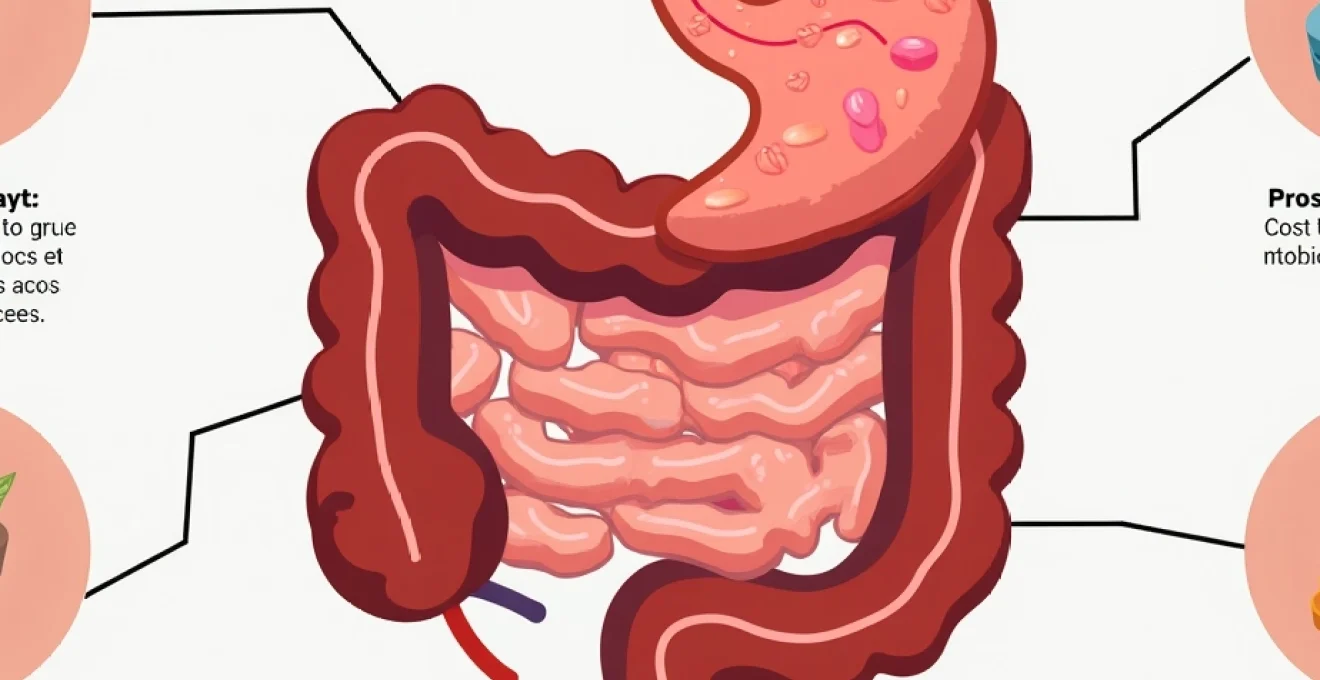
Antibiotics remain one of medicine’s most powerful tools against bacterial infections, yet their impact extends far beyond targeting harmful pathogens. Many patients experience gastrointestinal side effects during antibiotic treatment, with mucus production in stool being a particularly common yet concerning symptom. The relationship between antibiotic therapy and altered bowel movements involves complex interactions within the digestive system, affecting everything from beneficial bacteria populations to intestinal barrier function.
Understanding why antibiotics can trigger mucoid stool changes requires examining the delicate ecosystem of the human gut. When therapeutic agents designed to eliminate disease-causing bacteria inevitably disrupt beneficial microorganisms, the consequences ripple throughout the digestive tract. This disruption can manifest as increased mucus production , altered stool consistency, and in severe cases, potentially dangerous complications requiring immediate medical attention.
Antibiotic-associated gastrointestinal mucus production mechanisms
The gastrointestinal tract produces mucus as a natural protective mechanism, but antibiotic therapy can significantly amplify this process through multiple interconnected pathways. Understanding these mechanisms helps explain why some patients experience dramatic changes in stool appearance during treatment whilst others remain relatively unaffected.
Disruption of intestinal microbiome balance through Broad-Spectrum antibiotics
The human intestinal microbiome contains trillions of microorganisms working in delicate balance to support digestion, immune function, and overall health. Broad-spectrum antibiotics, designed to combat multiple bacterial species simultaneously, inevitably affect both pathogenic and beneficial bacteria populations. This disruption creates an environment where opportunistic organisms can flourish whilst protective species decline dramatically.
Research indicates that certain beneficial bacteria strains, particularly Lactobacillus and Bifidobacterium species, play crucial roles in maintaining intestinal mucus composition and production rates. When these populations decrease following antibiotic exposure, the normal regulatory mechanisms governing mucus secretion become compromised. The resulting imbalance often manifests as excessive mucus production, creating the characteristic stringy, gel-like appearance many patients notice in their stool during antibiotic treatment.
Inflammatory response pathways triggered by dysbiosis
Antibiotic-induced dysbiosis triggers inflammatory cascades throughout the intestinal wall, stimulating increased mucus production as part of the body’s protective response. When beneficial bacteria populations decline, the intestinal immune system perceives this change as a potential threat, activating various inflammatory mediators including interleukin-1β, tumor necrosis factor-alpha, and interferon-gamma.
These inflammatory signals directly stimulate goblet cells—specialised intestinal cells responsible for mucus production—to increase their secretory activity. The inflammation also affects intestinal motility, potentially slowing transit time and allowing more opportunity for mucus accumulation within stool samples. This process explains why some patients experience not only increased mucus but also changes in bowel movement frequency and consistency during antibiotic therapy.
Goblet cell hyperactivity and mucin hypersecretion
Goblet cells represent the primary mucus-producing cells within the intestinal epithelium, and antibiotic therapy can dramatically alter their behaviour. Under normal circumstances, these cells maintain steady mucus production to lubricate the intestinal tract and trap potential pathogens. However, antibiotic-induced changes in the local environment can trigger hyperplastic responses in goblet cell populations.
The mechanism involves complex interactions between altered bacterial metabolites, inflammatory mediators, and direct antibiotic effects on cellular function. Some antibiotics directly stimulate goblet cells through receptor-mediated pathways, whilst others create conditions that indirectly promote increased mucin synthesis and secretion. This hypersecretion often persists for several days after antibiotic discontinuation, explaining why mucoid stool changes may continue even after completing treatment courses.
Intestinal permeability changes and barrier function compromise
Antibiotic therapy can significantly compromise intestinal barrier function, leading to increased permeability and altered mucus production patterns. The intestinal barrier relies heavily on beneficial bacteria to maintain tight junction proteins and support epithelial cell integrity. When antibiotic treatment disrupts these bacterial populations, the resulting barrier dysfunction triggers compensatory mucus hypersecretion.
This compromised barrier function creates a cycle where increased permeability allows bacterial toxins and antigens to penetrate deeper into intestinal tissues, triggering further inflammatory responses and additional mucus production. The situation becomes particularly problematic when opportunistic pathogens exploit the weakened barrier function, potentially leading to more severe complications including pseudomembranous colitis or other serious intestinal infections.
Specific antibiotic classes associated with mucoid stool changes
Different antibiotic classes demonstrate varying propensities for causing mucoid stool changes, with some medications showing significantly higher rates of gastrointestinal side effects than others. Understanding these patterns helps healthcare providers anticipate potential complications and counsel patients appropriately regarding expected side effects.
Beta-lactam antibiotics: amoxicillin and cephalexin effects
Beta-lactam antibiotics, including amoxicillin and cephalosporin derivatives like cephalexin, frequently cause gastrointestinal side effects including increased mucus production. These medications demonstrate broad-spectrum activity against gram-positive and many gram-negative bacteria, inevitably affecting beneficial intestinal flora alongside targeted pathogens. Clinical studies suggest that approximately 20-25% of patients receiving amoxicillin experience some degree of stool changes, with mucoid appearance being particularly common.
The mechanism involves direct effects on beneficial Lactobacillus and Enterococcus species, which normally help regulate intestinal mucus composition and production rates. When these populations decline, patients often notice increased mucus within 2-3 days of treatment initiation. Interestingly, amoxicillin-clavulanate combinations show even higher rates of gastrointestinal side effects, likely due to the broader spectrum of activity and additional effects of the β-lactamase inhibitor component.
Fluoroquinolones: Ciprofloxacin-Induced colonic mucus alterations
Fluoroquinolone antibiotics, particularly ciprofloxacin and levofloxacin, demonstrate significant potential for causing mucoid stool changes through multiple mechanisms. These agents possess broad-spectrum activity and excellent tissue penetration, including significant accumulation within intestinal tissues. Research indicates that fluoroquinolones can directly affect goblet cell function whilst simultaneously disrupting beneficial bacterial populations.
Ciprofloxacin particularly affects anaerobic bacterial species that play crucial roles in maintaining colonic health and mucus regulation. Patients receiving ciprofloxacin therapy report mucoid stool changes in approximately 15-20% of cases, with symptoms typically appearing within 48-72 hours of treatment initiation. The mucus production changes can persist for several days after treatment completion, reflecting the time required for microbiome recovery and normalisation of intestinal function.
Macrolides: clarithromycin and azithromycin gastrointestinal impact
Macrolide antibiotics, including clarithromycin and azithromycin, frequently cause gastrointestinal side effects through both direct cellular effects and microbiome disruption. These medications demonstrate unique properties including anti-inflammatory effects and direct stimulation of intestinal motility, which can contribute to altered stool consistency and mucus production patterns.
Clarithromycin shows particularly strong associations with mucoid stool changes, affecting approximately 25-30% of patients during treatment courses. The mechanism involves both disruption of beneficial bacterial populations and direct effects on intestinal smooth muscle and secretory cells. Azithromycin demonstrates similar but generally milder effects, with mucoid changes occurring in roughly 15-20% of patients. The shorter treatment courses typically used with azithromycin may contribute to the lower incidence of prolonged gastrointestinal side effects.
Clindamycin-associated pseudomembranous colitis risk
Clindamycin represents one of the highest-risk antibiotics for causing severe mucoid stool changes, including the potentially life-threatening complication of pseudomembranous colitis. This medication demonstrates exceptional activity against anaerobic bacteria, which play crucial roles in maintaining colonic health and preventing opportunistic infections. When clindamycin therapy eliminates these protective organisms, Clostridioides difficile can proliferate rapidly, producing toxins that cause severe intestinal inflammation.
The mucus production associated with clindamycin therapy often progresses from simple increased secretion to the formation of pseudomembranes—thick, adherent plaques composed of mucus, inflammatory cells, and cellular debris. These pseudomembranes can cause severe symptoms including bloody diarrhoea, abdominal cramping, and systemic toxicity. Healthcare providers must maintain high vigilance for signs of C. difficile infection in patients receiving clindamycin, particularly those with additional risk factors such as advanced age or concurrent proton pump inhibitor therapy.
Antibiotic-associated diarrhoea vs. clostridioides difficile infection
Distinguishing between simple antibiotic-associated diarrhoea and potentially dangerous C. difficile infection represents a critical clinical challenge, as both conditions can present with increased mucus production and altered stool consistency. Understanding the key differences helps ensure appropriate management and prevents serious complications.
Simple antibiotic-associated diarrhoea typically presents with mild to moderate symptoms including loose stools, increased mucus production, and mild abdominal discomfort. The mucus appears clear or slightly yellowish, and patients generally maintain normal vital signs and overall well-being. Symptoms usually begin within 2-8 days of antibiotic initiation and often resolve spontaneously within 48-72 hours of treatment discontinuation.
In contrast, C. difficile infection presents with more severe symptoms including profuse watery diarrhoea, significant mucus production often containing blood or pus, severe abdominal cramping, and systemic signs such as fever and leucocytosis. The characteristic sweet, musty odour often accompanies C. difficile-associated stools, helping distinguish this condition from simple antibiotic-associated changes. The mucus in C. difficile infection frequently appears thick, tenacious, and may contain visible inflammatory exudate.
Healthcare providers must maintain high suspicion for C. difficile infection in patients presenting with severe mucoid diarrhoea, particularly those with recent antibiotic exposure, advanced age, or healthcare facility exposure.
Laboratory testing plays a crucial role in distinguishing between these conditions. C. difficile infection requires specific diagnostic testing including enzyme immunoassays for C. difficile toxins or polymerase chain reaction testing for toxin genes. Leucocyte counts often demonstrate significant elevation in C. difficile cases, whilst simple antibiotic-associated diarrhoea typically shows normal or only mildly elevated inflammatory markers.
The timeline of symptom development also provides important diagnostic clues. Simple antibiotic-associated diarrhoea typically correlates closely with antibiotic administration and resolves quickly after discontinuation. C. difficile infection can develop during antibiotic therapy but may also appear weeks after treatment completion, reflecting the organism’s ability to persist in spore form and cause delayed infections when conditions become favourable for germination and toxin production.
Duration and timeline of mucus production Post-Antibiotic treatment
The temporal relationship between antibiotic therapy and mucus production follows predictable patterns that vary based on antibiotic type, treatment duration, and individual patient factors. Understanding these timelines helps both healthcare providers and patients anticipate symptom progression and identify when medical evaluation becomes necessary.
Acute phase mucoid changes within 48-72 hours
Most patients who develop antibiotic-associated mucoid stool changes notice initial symptoms within the first 2-3 days of treatment. This acute phase represents the period of most dramatic microbiome disruption, as antibiotic concentrations reach therapeutic levels and begin affecting both pathogenic and beneficial bacterial populations. The mucus production during this phase typically appears clear to slightly yellow and may be accompanied by mild abdominal discomfort or changes in stool frequency.
Individual variation in symptom onset reflects differences in baseline microbiome composition, antibiotic absorption and metabolism, and intestinal transit time. Patients with robust beneficial bacterial populations may experience delayed or milder symptoms, whilst those with pre-existing microbiome imbalances may develop symptoms more rapidly. Age also influences symptom timing, with elderly patients and young children often showing earlier and more pronounced mucoid changes due to less resilient microbiome communities.
Persistent mucus production during treatment course
Continued mucus production throughout the antibiotic treatment course represents the ongoing effects of microbiome suppression and compensatory inflammatory responses. During this phase, patients may notice fluctuations in mucus quantity and appearance, often correlating with antibiotic dosing schedules and individual variations in drug absorption and elimination.
The character of mucus production may evolve during treatment, with initial clear secretions potentially becoming more viscous or developing slight colour changes as inflammatory processes progress. However, the appearance of blood, pus, or significant colour changes should prompt immediate medical evaluation, as these findings may indicate developing complications such as C. difficile infection or other serious intestinal pathology.
Patients receiving longer antibiotic courses typically experience more persistent mucoid changes, reflecting cumulative effects on microbiome diversity and intestinal function. Healthcare providers should counsel patients that continued mild mucus production during treatment represents a normal response, whilst emphasising the importance of monitoring for warning signs that might indicate more serious complications.
Post-antibiotic recovery period and microbiome restoration
The post-antibiotic recovery period represents a critical phase when microbiome restoration occurs and mucus production patterns gradually normalise. Most patients experience gradual improvement in stool consistency and reduction in mucus production within 3-7 days of antibiotic completion, though full microbiome recovery may require several weeks to months.
During early recovery, patients may notice intermittent mucoid episodes as beneficial bacterial populations re-establish and compete with potentially harmful organisms for intestinal niches. This process can involve temporary fluctuations in symptoms, with some days showing improvement followed by brief returns of increased mucus production. Such fluctuations generally represent normal recovery patterns rather than treatment failure or complications.
Complete microbiome recovery following antibiotic therapy can require 2-6 months, during which patients may experience intermittent gastrointestinal symptoms including occasional mucoid stool episodes.
Factors influencing recovery duration include the specific antibiotic used, treatment length, patient age, concurrent medications, and dietary factors. Proton pump inhibitors, for example, can significantly delay microbiome recovery by altering gastric pH and affecting bacterial growth conditions. Similarly, poor dietary diversity or inadequate fiber intake can impede the re-establishment of beneficial bacterial populations essential for normal intestinal function.
Clinical assessment and differential diagnosis protocols
Proper clinical assessment of patients presenting with antibiotic-associated mucoid stool changes requires systematic evaluation to distinguish between benign side effects and potentially serious complications. Healthcare providers must consider multiple factors including symptom severity, temporal relationships, patient risk factors, and laboratory findings when determining appropriate management strategies.
Initial assessment should focus on symptom characterisation, including stool frequency, consistency, colour, and associated features such as blood, pus, or unusual odours. The presence of systemic symptoms such as fever, significant abdominal pain, or signs of dehydration suggests more serious conditions requiring immediate attention. Patient history should include detailed antibiotic exposure information, including specific medications, dosages, duration, and timing of symptom onset relative to treatment initiation.
Physical examination findings provide crucial diagnostic information, with particular attention to abdominal tenderness, distension, and bowel sound patterns. Severe abdominal tenderness, especially when combined with fever or leucocytosis, may indicate developing complications such as pseudomembranous colitis or other serious intestinal pathology. Dehydration assessment becomes particularly important in elderly patients or those with multiple comorbidities who may be more susceptible to fluid and electrolyte imbalances.
Laboratory evaluation typically includes complete blood count to assess for inflammatory responses, basic metabolic panel to evaluate electrolyte status and renal function, and specific testing for C. difficile when clinical suspicion warrants investigation. Stool analysis may reveal leucocytes, red blood cells, or other inflammatory markers suggesting more serious intestinal pathology beyond simple antibiotic-associated changes.
Clinical decision-making should prioritise patient safety whilst avoiding unnecessary interventions for self-limiting antibiotic side effects that resolve spontaneously with supportive care.
Imaging studies rarely provide additional diagnostic value in uncomplicated cases but
may be considered in cases with severe complications, such as computed tomography scanning to evaluate for colonic wall thickening, pneumatosis, or other signs of serious intestinal pathology.
Management strategies for antibiotic-induced mucoid stools
Effective management of antibiotic-associated mucoid stool changes requires a balanced approach that addresses immediate symptom relief whilst supporting long-term intestinal recovery. The therapeutic strategy must distinguish between simple antibiotic side effects requiring supportive care and serious complications demanding immediate intervention. Most cases resolve with conservative management, but healthcare providers must remain vigilant for signs of progression to more severe conditions.
Initial management focuses on maintaining adequate hydration and electrolyte balance, particularly in vulnerable populations such as elderly patients or those with underlying medical conditions. Oral rehydration solutions provide optimal fluid replacement, offering appropriate electrolyte concentrations to support cellular function and prevent dehydration-related complications. Patients should receive clear instructions regarding fluid intake goals and warning signs that necessitate medical evaluation.
Dietary modifications play a crucial role in supporting intestinal recovery and minimising ongoing symptoms. The BRAT diet (bananas, rice, applesauce, toast) provides easily digestible carbohydrates whilst reducing intestinal irritation during the acute phase. Gradually introducing soluble fiber sources such as oatmeal and cooked vegetables helps normalise stool consistency without overwhelming compromised digestive function. Patients should avoid dairy products, high-fat foods, and artificial sweeteners that may exacerbate symptoms during recovery.
Probiotic supplementation represents an increasingly important therapeutic intervention for patients experiencing antibiotic-associated gastrointestinal symptoms. Clinical evidence supports the use of specific probiotic strains, particularly Lactobacillus rhamnosus GG and Saccharomyces boulardii, in reducing the duration and severity of antibiotic-associated diarrhea and mucoid changes. These beneficial organisms help restore microbiome balance and compete with potentially harmful bacteria for intestinal colonisation sites.
Probiotic therapy should ideally begin within 48 hours of antibiotic initiation and continue for at least one week after treatment completion to optimise microbiome recovery and prevent symptom recurrence.
When symptoms progress beyond simple mucoid changes to include fever, severe abdominal pain, or blood in stools, immediate medical evaluation becomes essential. Healthcare providers must consider discontinuing the offending antibiotic and initiating targeted therapy for suspected complications such as C. difficile infection. Vancomycin or fidaxomicin represent first-line treatments for confirmed C. difficile cases, with dosing and duration determined by infection severity and patient-specific factors.
Symptomatic relief measures include anti-spasmodic medications for abdominal cramping, though anti-diarrheal agents should be avoided in cases where infectious complications remain possible. These medications can potentially worsen toxin-mediated conditions by reducing bacterial clearance and prolonging toxin exposure. Healthcare providers must carefully weigh symptom relief against potential risks when considering pharmacological interventions during the acute phase.
Long-term management strategies focus on supporting complete microbiome recovery and preventing symptom recurrence. This approach includes continuing probiotic therapy for several weeks after symptom resolution, maintaining a diverse, fiber-rich diet to support beneficial bacterial growth, and avoiding unnecessary antibiotic exposure that might trigger symptom recurrence. Patients with recurrent episodes may benefit from formal gastroenterology evaluation to identify underlying predisposing factors and develop personalised prevention strategies.
Patient education plays a vital role in successful management, ensuring individuals understand normal recovery timelines whilst recognising warning signs requiring immediate medical attention. Clear communication regarding expected symptom duration helps reduce anxiety and prevents unnecessary healthcare utilisation for self-limiting conditions. However, patients must understand the importance of seeking prompt evaluation when symptoms worsen or fail to improve within expected timeframes, as delayed recognition of serious complications can lead to significant morbidity and mortality.