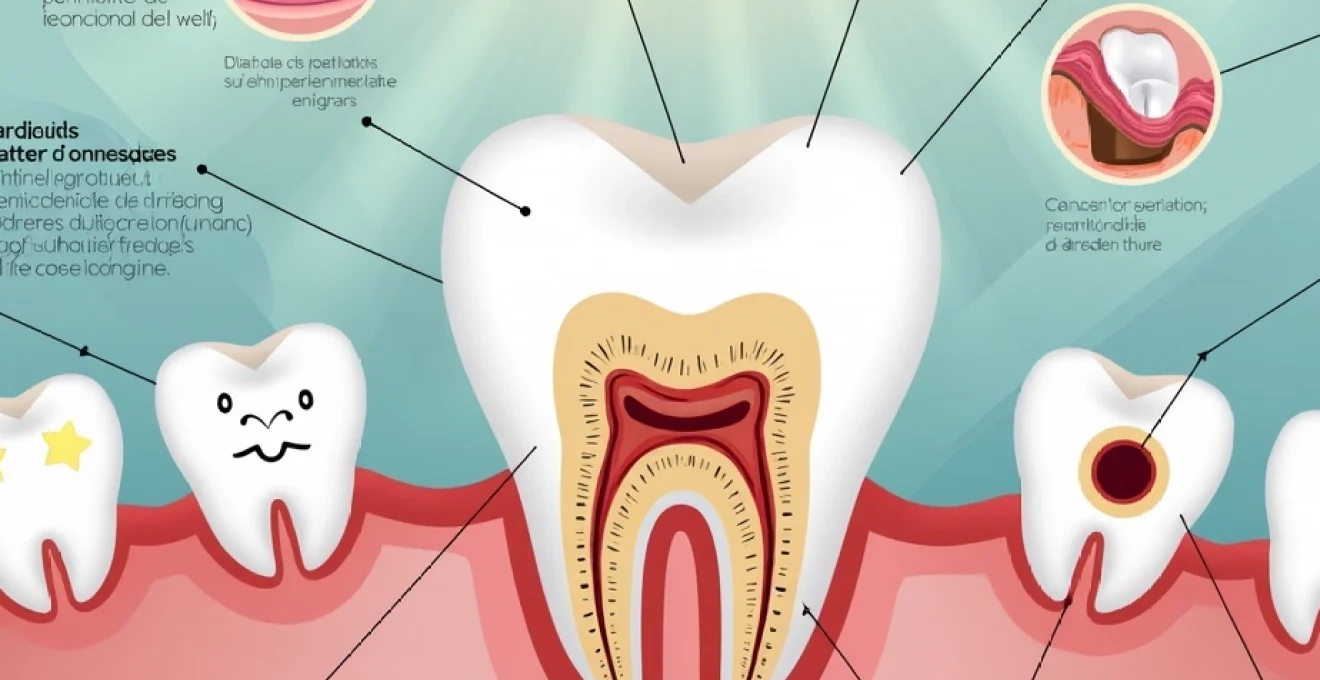
The relationship between oral health and systemic well-being extends far beyond what most people imagine. While many consider dental care merely an aesthetic concern, mounting scientific evidence reveals that the mouth serves as a gateway to the entire body, with oral pathogens capable of triggering cascading health complications throughout multiple organ systems. Recent epidemiological studies demonstrate that individuals with severe periodontal disease face up to twice the risk of developing cardiovascular complications compared to those maintaining optimal oral hygiene.
What makes this connection particularly alarming is the bidirectional nature of these relationships. Poor dental health doesn’t simply result from neglecting oral hygiene—it actively contributes to the development and progression of serious medical conditions including diabetes, respiratory infections, and even cognitive decline. The mouth harbours over 700 distinct bacterial species, with several billion microorganisms present at any given time, making it the second most diverse microbial ecosystem in the human body after the intestinal tract.
Oral-systemic health connection: scientific evidence and pathophysiological mechanisms
The scientific understanding of how oral health influences systemic disease has evolved dramatically over the past two decades. Researchers have identified multiple pathways through which periodontal pathogens can affect distant organs and physiological processes. These mechanisms operate simultaneously, creating a complex web of interactions that can significantly impact your overall health status. The oral cavity’s extensive vascularisation and rich blood supply provide direct access routes for bacterial translocation into systemic circulation.
Bacteraemia and haematogenous dissemination from periodontal pockets
When periodontal disease progresses, it creates deep pockets between the teeth and gums where harmful bacteria accumulate and multiply. These anaerobic environments become reservoirs for pathogenic microorganisms that can enter the bloodstream through routine activities such as tooth brushing, flossing, or even chewing. Studies have documented that individuals with moderate to severe periodontitis experience transient bacteraemia episodes following dental procedures or aggressive oral hygiene practices. The frequency and magnitude of these bacterial showers correlate directly with the severity of periodontal inflammation.
Once in circulation, these oral pathogens can seed distant sites throughout the body, establishing secondary infections or triggering inflammatory responses in previously healthy tissues. Porphyromonas gingivalis , one of the most virulent periodontal pathogens, has been detected in atherosclerotic plaques, joint fluid from rheumatoid arthritis patients, and even brain tissue from individuals with Alzheimer’s disease. This bacterial dissemination occurs through haematogenous spread, where circulating pathogens adhere to damaged or inflamed tissues in susceptible individuals.
Inflammatory mediator cascade: C-Reactive protein and interleukin-6 elevation
Chronic periodontal inflammation triggers the release of numerous pro-inflammatory mediators that can have far-reaching systemic effects. C-reactive protein (CRP), a key marker of systemic inflammation, shows significantly elevated levels in patients with severe periodontitis. Research indicates that CRP concentrations can be up to three times higher in individuals with advanced periodontal disease compared to periodontally healthy controls. This elevation persists even after controlling for other cardiovascular risk factors, suggesting an independent contribution of periodontal inflammation to systemic inflammatory burden.
Interleukin-6 (IL-6), another crucial inflammatory cytokine, demonstrates similar patterns of elevation in periodontal disease patients. This cytokine plays a central role in the acute-phase response and has been implicated in the pathogenesis of numerous chronic diseases. The persistent elevation of IL-6 and other inflammatory mediators creates a state of chronic systemic inflammation that can accelerate the development of atherosclerosis, insulin resistance, and other metabolic disorders. These inflammatory markers often normalise following successful periodontal therapy , providing strong evidence for the causal relationship between oral and systemic inflammation.
Molecular mimicry theory in autoimmune disease progression
The molecular mimicry hypothesis suggests that periodontal pathogens share structural similarities with human tissues, potentially triggering autoimmune responses. Certain bacterial antigens from oral pathogens can cross-react with self-antigens, leading to the production of antibodies that attack both foreign and host tissues. This mechanism has been particularly well-studied in rheumatoid arthritis, where Porphyromonas gingivalis produces enzymes that can modify human proteins in ways that make them appear foreign to the immune system.
Research has identified specific shared epitopes between periodontal bacteria and human connective tissue components. When the immune system mounts a response against these bacterial antigens, it may inadvertently target similar sequences in human tissues, perpetuating chronic inflammation and tissue destruction. This cross-reactivity helps explain why periodontal therapy often leads to improvements in rheumatoid arthritis symptoms and why the two conditions frequently coexist in the same patients.
Endothelial dysfunction through periodontal pathogen invasion
Periodontal pathogens can directly invade and damage endothelial cells lining blood vessels, compromising their normal function. Healthy endothelium plays crucial roles in regulating blood flow, preventing thrombosis, and maintaining vascular homeostasis. When periodontal bacteria like Porphyromonas gingivalis invade endothelial cells, they can trigger oxidative stress, reduce nitric oxide availability, and promote pro-thrombotic states. These changes contribute to endothelial dysfunction, an early step in atherosclerotic development.
Laboratory studies have demonstrated that periodontal pathogens can survive within endothelial cells for extended periods, potentially serving as persistent sources of inflammatory stimulation. The presence of these intracellular bacteria can alter gene expression patterns in endothelial cells, promoting the production of adhesion molecules and chemokines that attract inflammatory cells to the vessel wall. This bacterial invasion and subsequent endothelial dysfunction help explain the strong epidemiological associations between periodontal disease and cardiovascular events .
Cardiovascular disease risk factors linked to periodontal pathogens
The connection between periodontal disease and cardiovascular complications represents one of the most extensively researched areas in oral-systemic health. Multiple large-scale epidemiological studies have consistently demonstrated increased risks of heart disease, stroke, and peripheral vascular disease among individuals with moderate to severe periodontitis. The Atherosclerosis Risk in Communities (ARIC) study, which followed over 15,000 participants for more than two decades, found that individuals with the worst periodontal health had a 24% higher risk of developing coronary heart disease compared to those with the best periodontal health.
Porphyromonas gingivalis and atherosclerotic plaque formation
Porphyromonas gingivalis , often considered the keystone pathogen in periodontal disease, has been directly implicated in atherosclerotic plaque development and progression. This anaerobic bacterium possesses unique virulence factors that enable it to survive in the cardiovascular system and actively contribute to plaque formation. Studies using advanced molecular techniques have detected P. gingivalis DNA and antigens in atherosclerotic plaques removed during endarterectomy procedures, providing direct evidence of bacterial presence in cardiovascular lesions.
The bacterium’s ability to invade endothelial cells and macrophages allows it to persist within atherosclerotic plaques while evading immune surveillance. Once established, P. gingivalis can promote plaque instability through several mechanisms, including the production of proteases that degrade protective fibrous caps and the stimulation of inflammatory responses that attract more immune cells to the plaque site. Research indicates that plaques containing periodontal bacteria show increased inflammatory cell infiltration and higher rates of rupture-prone characteristics.
Animal studies have provided compelling evidence for the causal role of P. gingivalis in atherosclerosis progression. Mice infected with this periodontal pathogen develop accelerated atherosclerosis compared to uninfected controls, even when other cardiovascular risk factors remain constant. These experimental findings strongly support the hypothesis that periodontal pathogens directly contribute to cardiovascular disease pathogenesis rather than simply being innocent bystanders.
Endocarditis risk assessment in patients with gingivitis
Infective endocarditis, while relatively rare, represents a serious cardiovascular complication that can be directly linked to poor oral health. The condition involves bacterial infection of the heart valves or endocardial surface, potentially leading to valve destruction, heart failure, and systemic embolic events. Oral streptococci, particularly those associated with dental plaque and gingivitis, rank among the most common causative organisms in cases of subacute endocarditis.
Patients with pre-existing valvular disease, prosthetic heart valves, or congenital heart defects face particularly elevated risks when oral health is compromised. Even routine dental procedures or vigorous tooth brushing can introduce oral bacteria into the bloodstream in sufficient numbers to seed abnormal or damaged cardiac structures. The American Heart Association guidelines recognise this risk and recommend antibiotic prophylaxis before certain dental procedures in high-risk patients.
Recent studies have expanded our understanding of endocarditis risk beyond traditional high-risk groups. Individuals with mitral valve prolapse, bicuspid aortic valves, and even previously unrecognised structural abnormalities may be susceptible to oral bacteria-induced endocarditis. This broader risk profile emphasises the importance of maintaining excellent oral hygiene for cardiovascular protection in a wider population than previously recognised .
Myocardial infarction correlation studies: framingham heart study findings
The renowned Framingham Heart Study has provided invaluable insights into the relationship between periodontal disease and myocardial infarction risk. This landmark longitudinal study, which has followed participants for over seven decades, demonstrated that individuals with severe tooth loss (a marker of advanced periodontal disease) had significantly higher rates of coronary heart disease events. The association remained statistically significant even after controlling for traditional cardiovascular risk factors such as smoking, diabetes, and hypertension.
More recent analyses from the Framingham cohort have revealed that the number of teeth lost correlates directly with cardiovascular event rates. Participants who lost more than six teeth due to periodontal disease showed a 46% increase in coronary heart disease risk compared to those who maintained their natural dentition. These findings suggest that tooth loss serves as a reliable clinical marker for identifying individuals at increased cardiovascular risk .
The study also revealed interesting gender differences in the oral health-cardiovascular disease relationship. Women appeared to be more susceptible to the cardiovascular effects of periodontal disease, possibly due to hormonal influences on inflammatory responses. Post-menopausal women with severe periodontal disease showed particularly elevated risks for both fatal and non-fatal myocardial infarctions, highlighting the need for targeted oral health interventions in this demographic.
Stroke prevention through periodontal therapy interventions
Emerging evidence suggests that periodontal therapy may serve as an effective stroke prevention strategy, particularly for ischaemic strokes related to atherothrombotic mechanisms. Several intervention studies have demonstrated that successful periodontal treatment leads to improvements in endothelial function, reduced systemic inflammation, and decreased carotid intima-media thickness—all factors associated with reduced stroke risk. The PAVE trial (Periodontitis and Vascular Events) showed a 13% reduction in recurrent cardiovascular events among patients who received intensive periodontal therapy compared to standard care.
The mechanisms underlying stroke prevention through periodontal therapy likely involve multiple pathways. Elimination of periodontal bacteria reduces the chronic inflammatory burden, allowing damaged endothelium to heal and regain normal function. Additionally, successful therapy eliminates the source of recurrent bacteraemia, reducing the risk of bacterial seeding of atherosclerotic plaques and subsequent plaque destabilisation. These improvements in vascular health translate directly into reduced stroke risk , particularly for individuals with multiple cardiovascular risk factors.
Clinical trials have consistently shown that periodontal therapy produces measurable improvements in cardiovascular risk markers within 2-6 months of treatment completion, with benefits persisting for at least two years when proper oral hygiene is maintained.
Diabetes mellitus bidirectional relationship with oral health
The relationship between diabetes and periodontal disease exemplifies the bidirectional nature of oral-systemic health connections. Individuals with diabetes face significantly increased risks of developing severe periodontal disease, while those with existing periodontal infection experience greater difficulty controlling blood glucose levels. This creates a vicious cycle where each condition exacerbates the other, leading to accelerated progression of both diseases if left untreated.
Diabetic patients show impaired immune responses that make them more susceptible to periodontal infections. Elevated blood glucose levels provide favourable conditions for bacterial growth, while advanced glycation end products (AGEs) accumulate in periodontal tissues, promoting inflammation and tissue destruction. Studies indicate that diabetic individuals are three times more likely to develop severe periodontitis compared to non-diabetic controls, with the risk increasing proportionally to the level of glycaemic control.
Conversely, periodontal inflammation can significantly impact diabetes management by increasing insulin resistance and promoting inflammatory cytokine production. The chronic inflammatory state associated with severe periodontitis can elevate haemoglobin A1c levels by 0.4-0.7%, equivalent to the effect of adding a new diabetic medication. Multiple randomised controlled trials have demonstrated that successful periodontal therapy leads to clinically meaningful improvements in glycaemic control , with average reductions in HbA1c of approximately 0.36%.
The American Diabetes Association now recognises periodontal disease as a significant diabetes complication, ranking alongside more traditional complications such as retinopathy and nephropathy. This recognition has led to updated clinical guidelines recommending annual periodontal examinations for all diabetic patients and emphasising the importance of coordinated care between dental and medical professionals. For diabetic patients, maintaining excellent oral health represents an evidence-based strategy for improving overall disease management and reducing complication risks .
Respiratory infections and aspiration pneumonia from oral bacteria
The respiratory system’s vulnerability to oral pathogens stems from the close anatomical proximity and shared airway passages that facilitate bacterial translocation from the mouth to the lungs. Poor oral hygiene creates reservoirs of pathogenic bacteria that can be aspirated during sleep, swallowing, or periods of decreased consciousness. This mechanism becomes particularly problematic in elderly individuals, hospitalised patients, and those with compromised swallowing reflexes or impaired immune function.
Research has established clear links between oral bacterial load and respiratory infection rates, particularly for hospital-acquired pneumonia and ventilator-associated pneumonia. Studies in intensive care units demonstrate that patients receiving comprehensive oral care protocols show significantly reduced rates of nosocomial pneumonia compared to those receiving standard care. The implementation of systematic oral hygiene programs in healthcare facilities has become recognised as an essential infection control measure , with some institutions reporting up to 50% reductions in pneumonia rates following protocol implementation.
Aspiration pneumonia, which accounts for approximately 10% of all pneumonia cases, shows particularly strong associations with poor oral health. Elderly individuals with multiple missing teeth, ill-fitting dentures, or severe periodontal disease face substantially elevated risks for this potentially life-threatening condition. The anaerobic bacteria commonly found in periodontal pockets can establish pulmonary infections that are often more severe and treatment-resistant than typical community-acquired pneumonia cases.
Chronic obstructive pulmonary disease (COPD) patients represent another high-risk population for oral bacteria-related respiratory complications. These individuals often experience frequent exacerbations triggered by bacterial infections, with oral pathogens serving as common causative organisms. Studies have shown that COPD patients receiving regular dental care and maintaining better oral hygiene experience fewer respiratory exacerbations and hospitalizations , highlighting the clinical importance of oral-respiratory health connections.
Healthcare-associated pneumonia prevention protocols now routinely include oral hygiene components, recognising that the mouth serves as the primary reservoir for pathogenic bacteria responsible for these infections.
Pregnancy complications: preterm birth and low birth weight associations
Pregnancy represents a period of unique vulnerability to oral health-related complications, with hormonal changes creating conditions that favour bacterial growth and inflammatory responses. Elevated progesterone and oestrogen levels during pregnancy can exacerbate existing gingivitis and increase susceptibility to periodontal disease progression. Studies indicate that between 60-75% of pregnant women experience some degree of pregnancy gingivitis, characterised by increased gum inflammation, bleeding, and bacterial overgrowth.
The connection between maternal periodontal disease and adverse pregnancy outcomes has been documented across multiple populations and study designs. Women with severe periodontitis face significantly elevated risks for preterm birth (delivery before 37 weeks gestation), low birth
weight (less than 2,500 grams), and other complications including preeclampsia and gestational diabetes. Meta-analyses have shown that pregnant women with periodontal disease have approximately 2.3 times higher odds of delivering preterm compared to those with healthy gums, with some studies reporting risk increases of up to 7.5 times in severe cases.
The pathophysiological mechanisms linking maternal oral health to pregnancy outcomes involve multiple pathways. Periodontal pathogens can cross the placental barrier and establish infections in fetal tissues, potentially triggering premature labour through direct inflammatory responses. Additionally, the chronic systemic inflammation associated with periodontal disease can elevate prostaglandin E2 and tumour necrosis factor-alpha levels, both of which play crucial roles in initiating labour and delivery processes. Studies have detected periodontal bacteria in amniotic fluid, placental tissues, and even fetal blood samples, providing direct evidence of maternal-fetal transmission.
Intervention studies have demonstrated that periodontal therapy during pregnancy can significantly reduce adverse outcome rates when initiated early in gestation. A randomised controlled trial involving over 800 pregnant women showed that those receiving scaling and root planing during the second trimester had 84% lower rates of preterm birth compared to controls who received treatment after delivery. However, the timing of treatment appears critical, as interventions initiated late in pregnancy may paradoxically increase risks due to procedure-related inflammatory responses.
The economic implications of pregnancy-related oral health complications are substantial. Preterm births cost the healthcare system approximately £26,000 more per infant than full-term deliveries, primarily due to extended neonatal intensive care requirements. Given that periodontal therapy costs less than £500 per patient, the implementation of routine oral health screening and treatment during prenatal care represents a highly cost-effective intervention for improving both maternal and infant health outcomes.
Professional dental organisations now recommend that all pregnant women receive comprehensive periodontal examinations during the first trimester, with appropriate therapy provided to reduce risks of adverse pregnancy outcomes.
Cognitive decline and alzheimer’s disease links to periodontitis
The emerging connection between periodontal disease and cognitive decline represents one of the most intriguing areas of oral-systemic health research. Recent studies have identified significant associations between chronic periodontitis and increased risks of dementia, Alzheimer’s disease, and accelerated cognitive decline in aging populations. The SHIP study (Study of Health in Pomerania) followed over 4,000 participants for more than a decade and found that individuals with severe tooth loss showed 1.4 times higher risks of developing dementia compared to those maintaining their natural dentition.
The mechanisms underlying the oral health-cognitive decline relationship appear to involve both direct bacterial invasion and indirect inflammatory pathways. Porphyromonas gingivalis has been detected in brain tissue samples from Alzheimer’s patients, along with gingipains (bacterial enzymes) that can degrade tau proteins and contribute to neuronal damage. These findings suggest that periodontal pathogens may directly contribute to the neuropathological changes characteristic of Alzheimer’s disease, rather than simply being associated markers of poor health.
Chronic systemic inflammation associated with periodontal disease may accelerate brain aging through multiple mechanisms. Elevated inflammatory cytokines can cross the blood-brain barrier and promote microglial activation, leading to neuroinflammation and subsequent neuronal damage. Studies have shown that individuals with severe periodontitis have significantly higher levels of inflammatory markers in cerebrospinal fluid, indicating that oral inflammation can directly impact central nervous system function. The persistent inflammatory state may also impair the brain’s ability to clear amyloid-beta plaques, a hallmark pathological feature of Alzheimer’s disease.
Longitudinal studies have revealed that the relationship between oral health and cognitive decline follows a dose-response pattern, with greater degrees of tooth loss and periodontal disease severity correlating with more rapid cognitive decline rates. The Religious Orders Study, which followed Catholic clergy members for over 20 years, demonstrated that participants with the most severe periodontal disease showed cognitive decline rates equivalent to being 6.2 years older than those with healthy gums. These findings remained significant even after controlling for education levels, cardiovascular disease, and other potential confounders.
Recent intervention studies suggest that periodontal therapy may help preserve cognitive function in at-risk populations. A randomised controlled trial involving elderly participants with mild cognitive impairment showed that those receiving comprehensive periodontal treatment maintained better cognitive performance over 12 months compared to controls receiving standard care. While these findings are preliminary, they offer hope that maintaining good oral health throughout life may serve as a modifiable risk factor for preventing or delaying dementia onset. Given the limited treatment options available for cognitive decline and dementia, the potential for oral health interventions to impact brain health represents a significant public health opportunity.
Emerging research suggests that maintaining excellent oral health throughout life may be one of the most accessible and cost-effective strategies for preserving cognitive function and reducing dementia risk in aging populations.