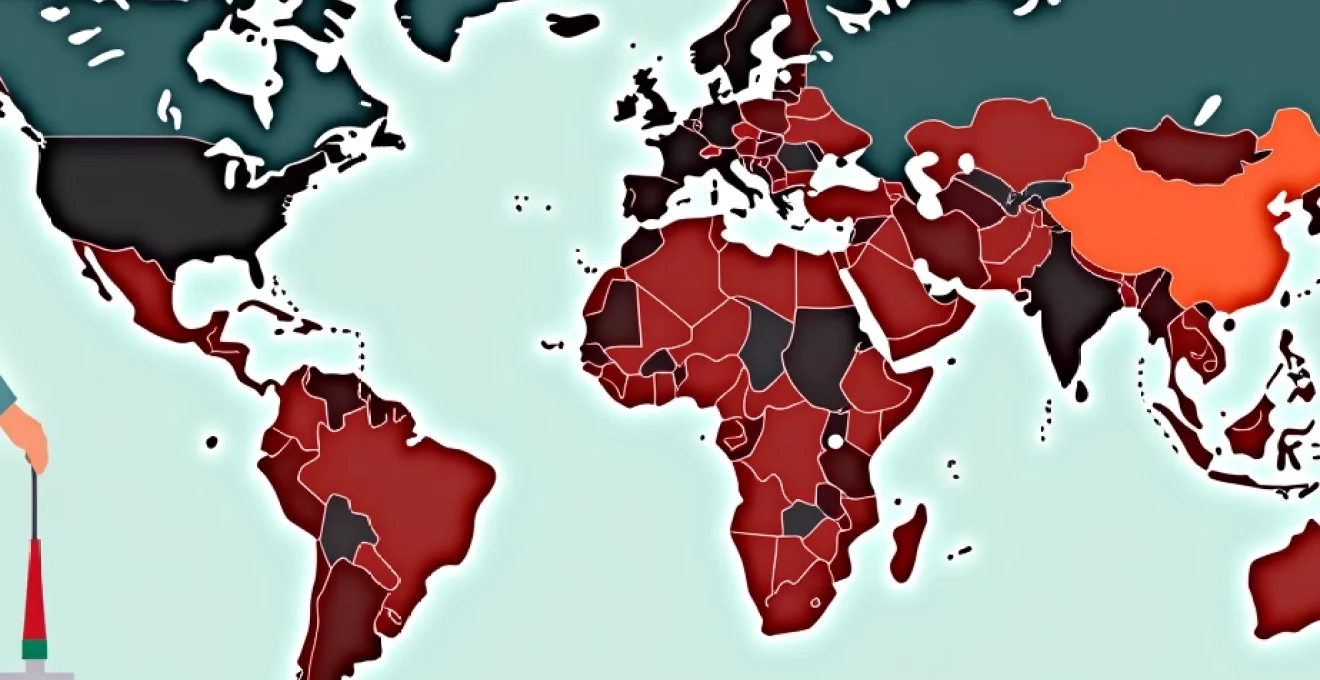
The resurgence of measles cases across Europe and North America has prompted urgent questions about adult vaccination requirements and immunity longevity. Recent outbreaks in various communities have highlighted significant gaps in adult measles protection, particularly among those who received incomplete vaccination series or were vaccinated during periods when less effective formulations were available. Understanding whether you require a measles booster involves examining complex factors including your birth year, vaccination history, occupational risk exposure, and travel patterns.
Measles remains one of the most contagious infectious diseases known to medicine, with each infected individual capable of transmitting the virus to up to 18 susceptible contacts. This extraordinary transmission rate means that even small pockets of unprotected individuals can rapidly evolve into widespread community outbreaks, affecting not only unvaccinated children but also adults whose immunity may have waned over time.
MMR vaccine efficacy and waning immunity in adult populations
The measles component of the MMR (measles, mumps, rubella) vaccine demonstrates remarkably robust efficacy when administered correctly. Clinical studies consistently show that a single dose provides approximately 93% protection against measles infection, whilst two doses increase this protection to 97%. However, these figures represent population-level statistics, and individual immune responses can vary considerably based on factors including age at vaccination, overall health status, and genetic predisposition to vaccine response.
Long-term surveillance data reveals that vaccine-induced immunity generally persists for decades, with most individuals maintaining protective antibody levels well into adulthood. Research examining adult populations vaccinated during childhood shows that approximately 95% retain measurable antibodies 20 years post-vaccination. However, this protection isn’t uniform across all age groups, with certain birth cohorts showing higher rates of susceptibility due to historical variations in vaccination protocols and vaccine formulations.
Measles-specific antibody titre decline rates after initial vaccination
Antibody titre levels naturally decline over time following vaccination, though this decline doesn’t necessarily correlate with loss of protection. Studies tracking measles-specific IgG antibodies over extended periods show an average annual decline rate of 3-5% in healthy adults. However, immune memory cells remain capable of rapidly producing protective antibodies upon re-exposure to the virus, providing what immunologists term “functional immunity” even when circulating antibody levels appear low.
The decline pattern varies significantly between individuals, with some maintaining high titres decades after vaccination whilst others show more rapid waning. Factors influencing this variation include genetic polymorphisms affecting immune response, concurrent infections that may interfere with immune memory, and underlying health conditions that compromise immune function.
Seroconversion failure patterns in pre-1957 birth cohorts
Adults born before 1957 are generally considered immune to measles due to widespread natural infection during childhood in the pre-vaccine era. However, healthcare settings increasingly recognise that this presumed immunity may not be universal. Serological surveys of pre-1957 birth cohorts reveal that approximately 2-5% lack detectable measles antibodies, potentially due to atypical childhood infections or immune system variations that prevented adequate immune memory formation.
Healthcare workers born before 1957 represent a particular concern, as they face regular occupational exposure to infectious diseases whilst potentially lacking adequate protection. Current NHS guidelines recommend that healthcare personnel in this age group undergo serological testing rather than relying solely on birth year as evidence of immunity.
Immunological memory response variations across age demographics
Age-related changes in immune function, known as immunosenescence, can affect both vaccine response and immune memory maintenance. Adults over 65 may experience reduced vaccine efficacy and faster waning of protective antibodies compared to younger populations. This phenomenon becomes particularly relevant during outbreak situations, where older adults may require enhanced surveillance and potential revaccination despite previous immunisation history.
Conversely, young adults aged 18-35 who received two doses of MMR vaccine during childhood typically maintain excellent protection. This age group benefits from optimal vaccine formulations and improved vaccination schedules implemented since the late 1980s, resulting in robust and durable immunity that rarely requires boosting under normal circumstances.
Laboratory-confirmed measles cases in previously vaccinated adults
Breakthrough infections in vaccinated individuals, whilst rare, provide valuable insights into vaccine performance and immunity durability. Analysis of laboratory-confirmed measles cases in previously vaccinated adults reveals several patterns. Primary vaccine failure, where initial vaccination fails to generate adequate immunity, accounts for approximately 2-3% of breakthrough cases. Secondary vaccine failure, involving waning immunity over time, represents a smaller proportion but becomes more significant during intense exposure scenarios.
Most breakthrough cases in vaccinated adults present with milder symptoms and shorter infectious periods compared to infections in unvaccinated individuals. This modified disease presentation demonstrates that even partial immunity provides substantial clinical benefit, reducing both individual suffering and community transmission potential.
Current NHS and WHO booster vaccination guidelines for adults
National health authorities have developed comprehensive guidelines addressing adult measles vaccination requirements based on extensive epidemiological evidence and outbreak investigation findings. These recommendations balance individual protection with population-level immunity maintenance, whilst considering resource allocation and public health priorities. Understanding these guidelines helps individuals and healthcare providers make informed decisions about booster vaccination needs.
The World Health Organisation emphasises that routine booster doses are not generally recommended for healthy adults who have received two documented doses of measles-containing vaccine. This position reflects robust evidence demonstrating long-lasting protection in the majority of properly vaccinated individuals. However, specific circumstances and risk factors may warrant deviation from this general recommendation, requiring individualised assessment of vaccination needs.
Two-dose MMR schedule recommendations for adults born after 1970
Adults born after 1970 who lack documentation of two MMR doses should receive additional vaccination to ensure optimal protection. This recommendation stems from historical variations in vaccination practices, with many individuals in this age group having received only single doses during childhood when two-dose schedules weren’t yet standard practice.
The spacing between doses for adult catch-up vaccination should be at least 28 days, allowing adequate time for immune system priming and optimal antibody response. Adults receiving catch-up vaccination typically demonstrate excellent immunogenicity, with seroconversion rates exceeding 95% following completion of the two-dose series.
Healthcare worker immunisation requirements under NHS occupational health protocols
Healthcare workers face elevated measles exposure risk through occupational contact with infectious patients, making comprehensive immunisation particularly crucial for this population. NHS occupational health protocols require healthcare personnel to demonstrate measles immunity through documentation of two MMR doses or serological evidence of protection. Workers unable to provide adequate documentation must receive appropriate vaccination before commencing patient care duties.
The healthcare worker vaccination requirement extends to various categories of personnel, including clinical staff, laboratory workers, cleaning personnel, and administrative staff working in patient care areas. This comprehensive approach recognises that measles transmission can occur through brief, casual contact, making protection essential for all individuals working in healthcare environments.
International travel vaccination mandates for Measles-Endemic countries
International travellers visiting countries with ongoing measles transmission face significantly elevated infection risk compared to those remaining in low-incidence areas. Travel health guidelines recommend that all travellers aged 12 months and older should have documentation of two MMR doses or laboratory evidence of immunity before visiting measles-endemic regions.
Infants aged 6-11 months travelling to high-risk areas may receive early MMR vaccination, though this dose doesn’t count toward the routine vaccination series and additional doses will be required according to standard schedules. Adults with uncertain vaccination history should receive at least one MMR dose 2-4 weeks before international travel to ensure adequate protection development.
Immunocompromised adult population special considerations
Immunocompromised adults present unique challenges for measles prevention, as they may demonstrate poor vaccine response whilst facing elevated risks from natural infection. Live vaccines like MMR are generally contraindicated in severely immunocompromised individuals due to the theoretical risk of vaccine-virus disease. However, those with mild to moderate immunosuppression may receive vaccination under careful medical supervision.
Close contacts of immunocompromised individuals should maintain excellent vaccination status to provide indirect protection through herd immunity. This strategy becomes particularly important for household members, caregivers, and healthcare providers who have regular contact with vulnerable populations who cannot receive live virus vaccines.
Serological testing and immunity assessment methods
Laboratory testing for measles immunity provides valuable information for individuals with uncertain vaccination history or those requiring confirmation of protective status. However, serological testing should not routinely replace vaccination in most circumstances, as the cost and complexity of testing often exceed the benefits of simply providing additional vaccine doses. Testing becomes most appropriate for specific populations including healthcare workers, individuals with potential vaccine contraindications, and those investigating suspected vaccine failure.
Modern laboratory methods offer excellent sensitivity and specificity for measles antibody detection, though interpretation requires understanding of test limitations and clinical context. False-negative results can occur due to waning antibody levels that don’t reflect true susceptibility, whilst false-positive results may arise from cross-reactive antibodies or technical errors.
Enzyme-linked immunosorbent assay (ELISA) for measles IgG detection
ELISA represents the most widely used method for measles immunity assessment, offering good sensitivity and specificity whilst remaining cost-effective for routine clinical use. Commercial ELISA kits demonstrate sensitivity rates of 95-98% and specificity exceeding 95% when properly performed and interpreted. The test detects measles-specific IgG antibodies that indicate either past infection or successful vaccination.
ELISA results are typically reported as positive, negative, or equivocal, with equivocal results requiring repeat testing or alternative assessment methods. The quantitative nature of ELISA allows for antibody level measurement, though specific titre thresholds for protection remain somewhat controversial and may vary between different assay systems.
Plaque reduction neutralisation test (PRNT) antibody measurement
PRNT represents the gold standard for measles neutralising antibody measurement, providing the most accurate assessment of functional immunity. This test measures the ability of patient serum to neutralise live measles virus in cell culture, directly correlating with protective capacity against natural infection. However, PRNT requires specialised laboratory facilities and technical expertise, limiting its availability to reference laboratories and research settings.
The complexity and cost of PRNT testing restrict its use to specific circumstances including investigation of suspected vaccine failures, research studies examining immunity duration, and confirmation of equivocal ELISA results in high-risk individuals. Results from PRNT testing generally provide more reliable information about true protective status compared to other serological methods.
Chemiluminescent immunoassay (CLIA) diagnostic accuracy rates
CLIA technology offers automated, high-throughput measles antibody testing with excellent analytical performance characteristics. Modern CLIA systems demonstrate sensitivity and specificity rates comparable to ELISA whilst providing faster turnaround times and reduced hands-on technical requirements. The quantitative nature of CLIA results allows for precise antibody level measurement and trend monitoring over time.
CLIA platforms have become increasingly popular in clinical laboratories due to their operational efficiency and standardised performance. Quality control programs demonstrate consistent inter-laboratory agreement for CLIA-based measles serology, supporting confidence in test results across different healthcare systems and geographic regions.
Risk factors necessitating adult measles revaccination
Several specific circumstances increase the likelihood that adults may require measles revaccination despite previous immunisation. Understanding these risk factors helps healthcare providers and individuals make informed decisions about additional vaccine doses. Adults with multiple risk factors may require particularly careful assessment and potentially more aggressive vaccination strategies to ensure adequate protection.
Historical vaccination practices varied significantly over time, creating cohorts of adults with potentially inadequate protection despite documentation of previous measles vaccination. Those vaccinated between 1963-1967 may have received killed virus vaccines that provided poor long-term protection, whilst individuals vaccinated during the single-dose era (pre-1989) may lack optimal immunity despite having received live virus vaccines.
Occupational and lifestyle factors also influence measles exposure risk and revaccination recommendations. Healthcare workers, teachers, childcare providers, and others working in high-exposure environments benefit from ensuring optimal vaccination status. International travellers visiting areas with ongoing measles transmission face elevated risk that may warrant additional vaccination regardless of previous immunisation history.
Adults who received inactivated measles vaccine or vaccine of unknown type should receive at least one dose of live MMR vaccine, regardless of previous vaccination documentation.
Medical conditions affecting immune system function can compromise vaccine-induced immunity and increase susceptibility to measles infection. Individuals receiving immunosuppressive medications, those with chronic diseases affecting immune function, and adults with HIV infection may require modified vaccination approaches and enhanced monitoring for evidence of protection.
- Healthcare workers requiring occupational immunity verification
- Adults born between 1957-1970 with uncertain vaccination history
- International travellers visiting measles-endemic countries
- Close contacts of immunocompromised individuals
- Adults with documented receipt of killed measles vaccine (1963-1967)
Contraindications and adverse reactions to MMR booster administration
MMR vaccine administration requires careful screening for contraindications to ensure patient safety and appropriate vaccine use. Understanding absolute and relative contraindications helps healthcare providers make appropriate vaccination decisions whilst avoiding unnecessary delays in protection for eligible individuals. Most contraindications are temporary conditions that resolve over time, allowing for future vaccination when circumstances improve.
Severe immunocompromised states represent the most significant contraindication to MMR vaccination due to the theoretical risk of vaccine-virus disease in individuals unable to mount adequate immune responses. However, mild to moderate immunosuppression may not preclude vaccination, requiring individualised risk-benefit assessment by experienced healthcare providers. Pregnancy represents another absolute contraindication due to theoretical risks to fetal development, though inadvertent vaccination during early pregnancy has not been associated with adverse outcomes.
Adverse reactions to MMR vaccination in adults are generally mild and self-limiting, occurring less frequently than in paediatric populations. Common reactions include injection site discomfort, low-grade fever, and transient rash occurring 7-12 days post-vaccination. These reactions reflect normal immune system activation and typically resolve within 2-3 days without specific treatment.
Severe allergic reactions to MMR vaccine occur in fewer than one per million doses administered, making vaccination extremely safe for the vast majority of recipients.
Adults with egg allergies can safely receive MMR vaccine, as the measles and mumps components are grown in chick embryo fibroblast cultures rather than egg whites. However, individuals with severe neomycin allergy should avoid MMR vaccination, as this antibiotic is used during vaccine production and may cause allergic reactions in sensitive individuals.
Healthcare providers should maintain appropriate emergency medications and equipment when administering vaccines, though serious adverse events remain exceptionally rare. Post-vaccination monitoring for 15-20 minutes allows for immediate recognition and treatment of any immediate allergic reactions that might occur.
Global measles outbreaks and adult susceptibility patterns since 2019
The global epidemiological landscape for measles has shifted dramatically since 2019, with significant outbreaks affecting multiple continents and highlighting vulnerabilities in adult population immunity. World Health Organisation surveillance data reveals that measles cases increased by over 300% globally between 2019-2023, with adults comprising an unexpectedly high proportion of reported cases in many outbreak settings.
European outbreaks have particularly affected adults aged 20-40, many of whom received single doses of measles vaccine during childhood or were vaccinated during periods when vaccine storage and handling practices were less standardised. These outbreaks have prompted renewed focus on adult vaccination status verification and catch-up immunisation programmes targeting vulnerable age groups.
Analysis of outbreak investigations reveals consistent patterns of adult susceptibility linked to historical vaccination practices, occupational exposures, and international travel. Adults working in healthcare, education, and hospitality sectors demonstrate elevated attack rates during community outbreaks, reflecting both increased exposure opportunities and potentially inadequate baseline immunity levels.
The COVID-19 pandemic disrupted routine vaccination programmes globally, creating cohorts of under-vaccinated children who will become susceptible adults in future decades. This disruption, combined with increased vaccine hesitancy in some communities, threatens to perpetuate measles transmission patterns and may necessitate expanded adult vaccination programmes to maintain population-level protection.
Current outbreak response strategies increasingly emphasise rapid identification and vaccination of susceptible adults, particularly in high-risk settings such as healthcare facilities, schools, and residential care environments. These targeted approaches have demonstrated effectiveness in controlling transmission whilst optimising resource utilisation during outbreak scenarios.
Adults with international travel history to measles-endemic regions represent important sentinel cases for detecting community transmission, as they often serve as index cases for subsequent local outbreaks. Enhanced surveillance and vaccination verification for returning travellers has become a cornerstone of measles elimination maintenance strategies in low
-incidence settings.
Understanding individual risk profiles requires comprehensive assessment of vaccination history, occupational exposure patterns, and travel plans. Healthcare providers increasingly utilise standardised risk assessment tools to identify adults who would benefit from measles revaccination, ensuring that limited vaccine resources are allocated to those with genuine protection gaps.
The economic burden of adult measles cases has prompted healthcare systems to invest more heavily in prevention strategies. Adults typically experience more severe disease courses than children, resulting in higher hospitalisation rates, longer recovery periods, and increased healthcare costs. These factors strengthen the economic justification for comprehensive adult vaccination programmes, particularly in high-risk populations.
Surveillance systems have evolved to better capture adult measles susceptibility patterns, with enhanced laboratory confirmation protocols and improved case investigation procedures. This enhanced surveillance capability provides real-time data on outbreak dynamics and helps identify previously unrecognised vulnerable populations that may require targeted vaccination interventions.
Future preparedness strategies must account for changing demographic patterns, evolving vaccine technologies, and potential emergence of measles variants. Adults represent an increasingly important component of measles elimination strategies, requiring sustained attention to vaccination status verification and targeted immunisation programmes to maintain population-level protection against this highly contagious disease.
The lessons learned from recent outbreaks emphasise that measles elimination requires comprehensive approaches addressing both paediatric and adult susceptibility. Healthcare providers, public health authorities, and individuals all have important roles in maintaining high vaccination coverage across all age groups to prevent future outbreaks and protect vulnerable community members who cannot be vaccinated themselves.