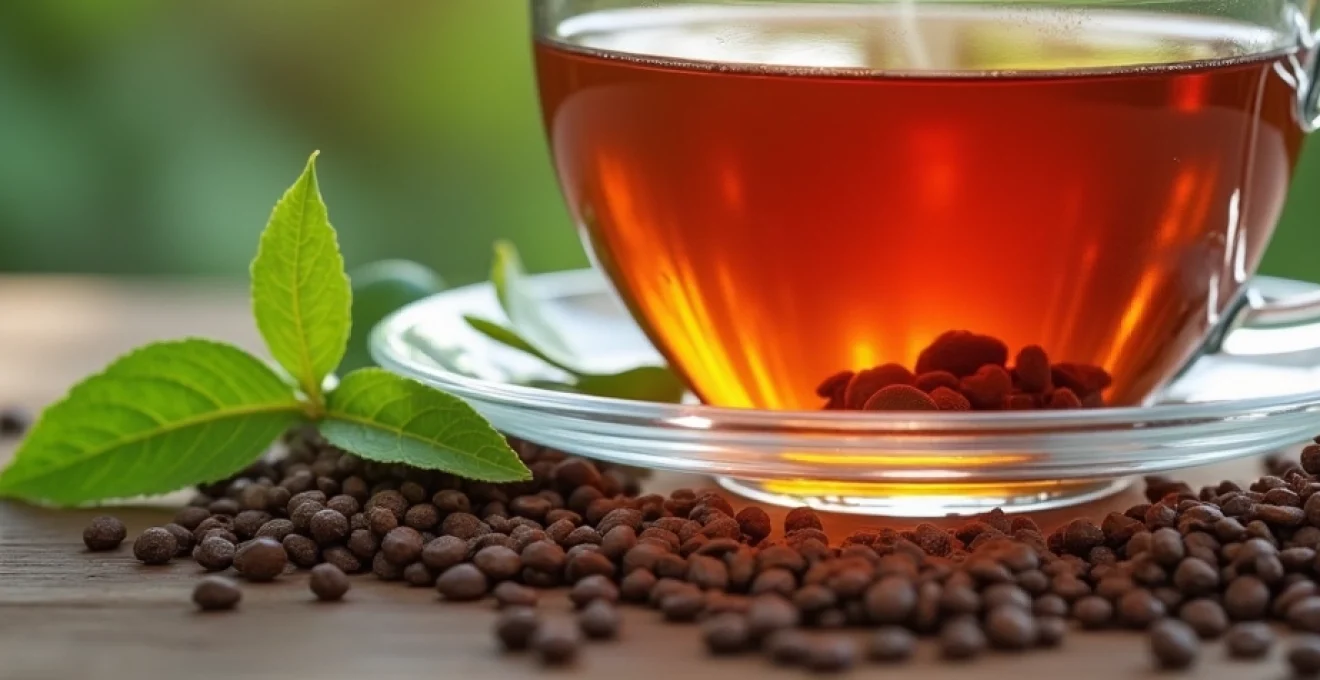
Cardiovascular disease remains the leading cause of death globally, claiming approximately 17.9 million lives annually according to the World Health Organisation. While conventional medical interventions play a crucial role in managing heart conditions, the therapeutic potential of medicinal plants has garnered significant scientific attention. Herbal teas, with their rich concentrations of bioactive compounds, offer a complementary approach to supporting cardiovascular wellness through mechanisms that target multiple pathways involved in heart disease development.
The growing body of evidence supporting plant-based cardiovascular interventions has transformed how healthcare professionals view botanical medicines. From ancient traditional remedies to modern clinical trials, certain herbal teas demonstrate measurable effects on blood pressure regulation, lipid profile management, and overall cardiac function enhancement. Understanding the specific mechanisms through which these botanical compounds exert their cardioprotective effects enables more targeted and effective therapeutic applications.
Cardiovascular mechanisms of active compounds in medicinal herbal teas
The cardioprotective properties of medicinal herbal teas stem from their diverse array of phytochemicals, each targeting specific pathways involved in cardiovascular health maintenance. These bioactive compounds work synergistically to address multiple risk factors simultaneously, creating a comprehensive approach to heart disease prevention and management. Understanding these mechanisms provides insight into why certain herbal preparations demonstrate consistent clinical efficacy across diverse populations and study designs.
Flavonoid cardioprotection through endothelial nitric oxide synthesis
Flavonoids represent one of the most extensively studied classes of plant compounds for cardiovascular protection. These polyphenolic molecules enhance endothelial nitric oxide synthase (eNOS) activity, leading to increased nitric oxide production within blood vessel walls. This biochemical cascade results in improved vasodilation, reduced arterial stiffness, and enhanced blood flow to cardiac tissues.
Research demonstrates that flavonoid-rich herbal teas can increase plasma nitric oxide concentrations by up to 40% within two hours of consumption. The quercetin, kaempferol, and myricetin compounds found in various medicinal plants activate specific cellular pathways that protect endothelial cells from oxidative damage whilst simultaneously promoting their regenerative capacity.
Polyphenolic antioxidant activity in arterial wall protection
The arterial wall faces constant exposure to reactive oxygen species that contribute to atherosclerotic plaque formation and progression. Polyphenolic compounds in herbal teas neutralise these harmful molecules through direct antioxidant activity and by upregulating endogenous antioxidant enzyme systems. This dual protective mechanism significantly reduces oxidative stress markers in clinical studies.
Studies measuring 8-isoprostane levels, a reliable marker of oxidative damage, show reductions of 15-25% following regular consumption of polyphenol-rich herbal preparations. The procyanidin oligomers and anthocyanin compounds particularly excel at preventing low-density lipoprotein oxidation, a critical step in atherosclerotic lesion development.
ACE inhibition properties in Plant-Based vasodilators
Angiotensin-converting enzyme (ACE) inhibition represents a well-established therapeutic target for blood pressure management. Numerous herbal compounds demonstrate natural ACE inhibitory activity, providing gentler blood pressure reduction compared to synthetic pharmaceuticals. These plant-derived inhibitors often exhibit fewer side effects whilst maintaining therapeutic efficacy.
The peptide-like structures found in certain herbal extracts can reduce ACE activity by 20-35% in vitro studies. This inhibition translates to measurable blood pressure reductions in human trials, typically ranging from 5-12 mmHg systolic and 3-8 mmHg diastolic pressure decreases with regular consumption protocols.
Anti-inflammatory pathways targeting c-reactive protein reduction
Chronic inflammation plays a pivotal role in cardiovascular disease progression, with elevated C-reactive protein (CRP) levels serving as a strong predictor of future cardiac events. Herbal tea compounds modulate inflammatory cascades through nuclear factor-kappa B (NF-κB) pathway inhibition and pro-inflammatory cytokine suppression. This anti-inflammatory activity provides protection against both acute and chronic cardiovascular complications.
Clinical investigations demonstrate that regular herbal tea consumption can reduce high-sensitivity CRP levels by 15-30% over 8-12 week intervention periods. The magnitude of this reduction correlates strongly with decreased cardiovascular event risk in long-term epidemiological studies, suggesting meaningful clinical benefits beyond simple biomarker improvements.
Hawthorn (crataegus monogyna) tea: clinical evidence for cardiac function enhancement
Hawthorn stands as one of the most rigorously studied medicinal plants for cardiovascular applications, with over 160 clinical trials investigating its therapeutic potential. The leaves, flowers, and berries of Crataegus species contain a concentrated blend of oligomeric proanthocyanidins, flavonoids, and triterpenic acids that demonstrate remarkable cardiac benefits. European regulatory authorities have recognised hawthorn’s therapeutic value, leading to its inclusion in official pharmacopoeias across multiple countries.
Oligomeric proanthocyanidins in myocardial contractility improvement
The oligomeric proanthocyanidin (OPC) content of hawthorn extracts directly influences cardiac muscle contractility through enhanced calcium handling and improved energy metabolism. These compounds increase the force of heart muscle contractions without the adverse effects associated with conventional positive inotropic agents. Clinical studies demonstrate improved ejection fraction and cardiac output measurements following hawthorn supplementation.
Patients with mild to moderate heart failure show significant improvements in exercise tolerance and quality of life scores when consuming standardised hawthorn preparations. The OPC compounds enhance mitochondrial function within cardiac myocytes, leading to improved cellular energy production and reduced fatigue during physical exertion. These effects become apparent within 6-8 weeks of consistent use , with maximal benefits typically observed after 12-16 weeks of treatment.
Vitexin and hyperoside compounds in coronary circulation optimisation
Vitexin and hyperoside represent two key flavonoid compounds responsible for hawthorn’s coronary vasodilatory effects. These molecules selectively dilate coronary arteries whilst maintaining or slightly increasing peripheral vascular resistance, resulting in preferential blood flow to cardiac tissues. This selective vasodilation provides therapeutic benefits without causing problematic hypotension.
Coronary flow reserve measurements show 15-25% improvements following hawthorn treatment protocols. The vitexin compounds particularly excel at preventing coronary artery spasm and reducing the frequency of anginal episodes in patients with stable coronary artery disease. These benefits occur through direct smooth muscle relaxation and enhanced endothelial nitric oxide availability.
Dosage protocols from german commission E monographs
The German Commission E, a scientific advisory board that evaluates herbal medicines, has established specific dosage recommendations for hawthorn preparations. Their monographs specify 160-900mg of standardised extract daily, equivalent to approximately 3-4 grams of dried hawthorn flowers and leaves prepared as tea. These recommendations stem from extensive clinical trial data and post-market surveillance studies.
Optimal therapeutic effects require standardised preparations containing 1.8-2.2% vitexin or 18-20mg oligomeric proanthocyanidins per daily dose, as specified in European Pharmacopoeia monographs.
Tea preparation methods significantly influence bioactive compound extraction and therapeutic potency. The recommended steeping protocol involves 1-2 teaspoons of dried hawthorn flowers and leaves in 200ml boiling water for 10-15 minutes, consumed 2-3 times daily. This preparation method ensures adequate extraction of water-soluble flavonoids whilst maintaining stability of temperature-sensitive compounds.
Contraindications with digoxin and beta-blocker medications
Healthcare professionals must consider potential interactions between hawthorn preparations and conventional cardiac medications. The positive inotropic effects of hawthorn may potentiate digoxin activity, potentially leading to enhanced glycoside effects and increased risk of arrhythmias. Patients taking digoxin require careful monitoring and possible dose adjustments when initiating hawthorn therapy.
Beta-blocker interactions present a more complex clinical scenario, as hawthorn’s mild beta-blocking activity may provide additive effects. While this combination can offer therapeutic benefits in some patients, it may cause excessive bradycardia or hypotension in others. Regular blood pressure and heart rate monitoring becomes essential when combining these therapeutic approaches, with dosage adjustments made based on individual patient responses.
Hibiscus sabdariffa tea: anthocyanin-mediated blood pressure regulation
Hibiscus tea has emerged as one of the most promising natural interventions for hypertension management, with its distinctive red colour indicating high anthocyanin content. Multiple randomised controlled trials have demonstrated clinically significant blood pressure reductions comparable to first-line antihypertensive medications. The therapeutic effects of hibiscus stem from its unique combination of anthocyanins, organic acids, and polysaccharides that work through multiple mechanisms to lower both systolic and diastolic pressures.
Delphinidin and cyanidin effects on systolic pressure reduction
Delphinidin and cyanidin represent the primary anthocyanin compounds responsible for hibiscus tea’s antihypertensive effects. These molecules inhibit angiotensin-converting enzyme activity whilst simultaneously promoting endothelial nitric oxide synthesis. Clinical studies demonstrate that hibiscus consumption can reduce systolic blood pressure by 7-15 mmHg in individuals with mild to moderate hypertension.
The mechanism involves direct binding of anthocyanin molecules to ACE active sites, creating competitive inhibition that reduces angiotensin II formation. Additionally, these compounds enhance endothelial function through improved nitric oxide bioavailability, leading to sustained vasodilation and reduced peripheral resistance. The dual mechanism approach provides more comprehensive blood pressure control than single-target interventions .
Diuretic properties through aldosterone antagonism
Hibiscus demonstrates mild diuretic effects through aldosterone receptor antagonism and enhanced renal sodium excretion. This mechanism contributes to blood pressure reduction whilst helping maintain potassium balance, unlike conventional thiazide diuretics that often cause hypokalaemia. The diuretic effect becomes apparent within 2-4 hours of consumption and persists for 6-8 hours.
Studies measuring 24-hour urine output show 15-20% increases following hibiscus consumption, accompanied by enhanced sodium excretion and preserved magnesium levels. This natriuretic effect contributes significantly to the overall antihypertensive response, particularly in individuals with sodium-sensitive hypertension or mild fluid retention.
Meta-analysis results from randomised controlled trials
A comprehensive meta-analysis of hibiscus tea studies encompassing 1,202 participants demonstrates consistent blood pressure lowering effects across diverse populations. The pooled analysis reveals average systolic pressure reductions of 7.58 mmHg and diastolic reductions of 3.53 mmHg compared to placebo controls. These effects prove most pronounced in individuals with baseline blood pressures above 130/85 mmHg.
| Study Duration | Participants | Systolic Reduction | Diastolic Reduction |
|---|---|---|---|
| 4 weeks | 65 | 11.2 mmHg | 6.4 mmHg |
| 6 weeks | 54 | 9.3 mmHg | 4.1 mmHg |
| 12 weeks | 144 | 8.7 mmHg | 3.8 mmHg |
The consistency of results across different study populations and durations suggests robust therapeutic efficacy. Subgroup analyses indicate that individuals with stage 1 hypertension (130-139/80-89 mmHg) experience the greatest relative benefits, with some participants achieving blood pressure normalisation through hibiscus consumption alone.
Optimal brewing temperature and steeping duration for maximum potency
Extraction efficiency of bioactive compounds from hibiscus calyces depends critically on brewing parameters, with water temperature and steeping duration significantly affecting therapeutic potency. Research demonstrates that brewing temperatures between 95-100°C maximise anthocyanin extraction whilst preserving their stability and bioactivity. Lower temperatures result in incomplete compound extraction, reducing therapeutic effectiveness.
Optimal steeping protocols involve 1.25-2.5 grams of dried hibiscus calyces in 240ml boiling water for 5-10 minutes. Longer steeping times increase tannin extraction, which may reduce anthocyanin bioavailability through protein binding interactions. The resulting brew should exhibit a deep ruby-red colour indicating adequate anthocyanin extraction . Multiple daily servings provide superior blood pressure control compared to single large doses, with 2-3 cups daily proving most effective in clinical trials.
Green tea (camellia sinensis) catechins in lipid profile management
Green tea catechins, particularly epigallocatechin gallate (EGCG), demonstrate remarkable efficacy in improving lipid profiles and reducing cardiovascular disease risk. The unique processing of green tea leaves preserves high concentrations of these polyphenolic compounds, which undergo degradation during the fermentation processes used in black tea production. Clinical evidence supporting green tea’s cardiovascular benefits spans over two decades of research, with studies consistently demonstrating improvements in total cholesterol, LDL cholesterol, and triglyceride levels.
The mechanisms underlying green tea’s lipid-modifying effects involve multiple pathways, including cholesterol synthesis inhibition, enhanced bile acid excretion, and improved hepatic lipid metabolism. EGCG specifically inhibits HMG-CoA reductase activity, the rate-limiting enzyme in cholesterol biosynthesis, providing effects similar to statin medications but through natural compounds. Additionally, catechins enhance cholesterol 7α-hydroxylase activity, promoting conversion of cholesterol to bile acids and facilitating cholesterol elimination.
Meta-analyses examining green tea consumption patterns reveal dose-dependent relationships between catechin intake and lipid improvements. Consuming 3-4 cups of green tea daily, providing approximately 200-300mg of catechins, can reduce total cholesterol by 5-15 mg/dL and LDL cholesterol by 8-12 mg/dL over 12-24 week periods. These reductions prove particularly significant in individuals with elevated baseline cholesterol levels or metabolic syndrome.
Regular green tea consumption providing 200-400mg daily catechin intake demonstrates clinical significance equivalent to lifestyle interventions recommended by cardiovascular disease prevention guidelines.
The timing of green tea consumption influences its therapeutic effects on lipid metabolism. Research indicates that consuming green tea between meals optimises catechin absorption whilst minimising potential interactions with dietary minerals. The presence of vitamin C in green tea enhances catechin stability and bioavailability, contributing to the superior effects of whole tea consumption compared to isolated catechin supplements. Preparation methods significantly affect catechin content, with water temperatures of 70-80°C and steeping times of 3-5 minutes providing optimal extraction whilst preserving compound integrity.
Rooibos (aspalathus linearis) aspalathin for metabolic cardiovascular risk factors
Rooibos tea offers unique cardiovascular benefits through its distinctive phenolic profile, dominated by the flavonoid aspalathin found exclusively in this South African plant. Unlike other herbal teas, rooibos contains no caffeine whilst providing substantial antioxidant activity and metabolic support. The aspalathin content varies significantly between different rooibos grades and processing methods, with unfermented green rooibos containing the highest concentrations of bioactive compounds.
Aspalathin demonstrates remarkable effects on glucose metabolism and insulin sensitivity, addressing key metabolic risk factors that contribute to cardiovascular disease development. This compound enhances glucose uptake in muscle cells whilst simultaneously reducing hepatic glucose production, leading to improved glycaemic control. Clinical studies reveal that regular rooibos consumption can reduce fasting glucose levels by 8-15% and improve insulin sensitivity markers by 12-20% in individuals with metabolic syndrome.
The cardiovascular benefits of rooibos extend beyond metabolic improvements to include direct effects on blood pressure regulation and arterial health. Quercetin and rutin compounds in rooibos tea provide vasoprotective effects through enhance
d endothelial function, promoting healthy blood vessel flexibility and responsiveness. The combination of these effects creates a comprehensive approach to cardiovascular risk reduction that addresses both metabolic and vascular components of heart disease.
Research investigating rooibos consumption in diabetic populations demonstrates significant improvements in cardiovascular risk markers beyond glucose control. Participants consuming 400ml of rooibos tea daily for 6 weeks showed reductions in oxidised LDL cholesterol levels by 18-25%, alongside decreases in inflammatory markers including interleukin-6 and tumour necrosis factor-alpha. These anti-inflammatory effects prove particularly valuable for individuals with diabetes who face elevated cardiovascular disease risk.
The mineral profile of rooibos contributes to its cardiovascular benefits, providing essential elements including calcium, iron, manganese, and zinc without the oxalate concerns associated with regular tea consumption. This mineral content supports optimal cardiac muscle function whilst avoiding potential kidney stone formation risks. The absence of caffeine makes rooibos suitable for individuals with arrhythmias or those requiring evening consumption without sleep disturbance concerns.
Preparation protocols for rooibos require longer steeping times compared to other herbal teas due to the unique cellular structure of the fermented leaves. Optimal extraction involves 1-2 teaspoons of rooibos in 250ml boiling water, steeped for 5-7 minutes to ensure complete release of aspalathin and other phenolic compounds. The resulting amber-coloured brew provides a naturally sweet flavour that requires no added sugars, supporting overall dietary quality for cardiovascular health maintenance.
Evidence-based dosing regimens and preparation methods for cardiac herbal teas
Establishing therapeutic efficacy of cardiac herbal teas requires precise attention to dosing protocols, preparation methods, and consumption timing that align with clinical research findings. The bioavailability and therapeutic potency of herbal compounds depend critically on extraction techniques, water temperature, steeping duration, and daily intake patterns. Evidence-based protocols derived from randomised controlled trials provide the foundation for safe and effective therapeutic applications of these botanical medicines.
Standardisation of herbal tea preparations presents unique challenges due to natural variations in plant compound concentrations, seasonal harvesting differences, and processing methodologies. Clinical studies typically specify dosing in terms of dried plant material weight, bioactive compound content, or standardised extract equivalents. Understanding these different measurement approaches enables healthcare practitioners and consumers to implement research-proven protocols accurately.
The concept of minimum effective dose versus optimal therapeutic dose requires careful consideration when developing herbal tea regimens. While some cardiovascular benefits may appear with single daily servings, most clinical trials demonstrate superior outcomes with divided doses throughout the day. This approach maintains more consistent blood levels of bioactive compounds whilst reducing potential gastrointestinal irritation that may occur with concentrated single doses.
| Herbal Tea | Daily Dose Range | Preparation Method | Optimal Timing |
|---|---|---|---|
| Hawthorn | 3-6 grams dried flowers/leaves | 10-15 min steep, 95-100°C | With or after meals |
| Hibiscus | 1.25-5 grams dried calyces | 5-10 min steep, 95-100°C | Between meals |
| Green Tea | 6-10 grams dried leaves | 3-5 min steep, 70-80°C | Between meals |
| Rooibos | 2-4 grams dried leaves | 5-7 min steep, 95-100°C | Any time |
Water quality significantly influences the therapeutic potential of herbal tea preparations, with mineral content, pH levels, and chlorine presence affecting compound extraction and stability. Filtered or spring water with neutral to slightly alkaline pH optimises bioactive compound extraction whilst minimising degradation of sensitive molecules. Hard water with high calcium and magnesium content may reduce the bioavailability of certain flavonoids through mineral complex formation.
Temperature control during preparation proves critical for preserving heat-sensitive compounds whilst ensuring adequate extraction of therapeutic molecules. Green tea catechins demonstrate particular sensitivity to excessive heat, with temperatures above 85°C causing significant degradation of EGCG content. Conversely, hibiscus anthocyanins and hawthorn proanthocyanidins require higher temperatures for optimal extraction, making temperature precision essential for therapeutic efficacy.
Storage considerations for both dried herbal materials and prepared teas affect long-term therapeutic potency and safety. Dried herbs maintain optimal compound levels when stored in airtight containers away from light, heat, and moisture, with most retaining therapeutic activity for 12-24 months under proper conditions. Prepared teas should be consumed within 24 hours of brewing and stored refrigerated to prevent bacterial growth and compound degradation.
Individual variation in response to herbal tea interventions necessitates personalised dosing approaches based on body weight, cardiovascular risk factors, and concurrent medications. Elderly individuals or those with compromised liver function may require reduced doses due to altered metabolism of herbal compounds. Conversely, individuals with higher body mass index may require doses at the upper end of therapeutic ranges to achieve optimal cardiovascular benefits.
Clinical evidence supports starting with lower doses and gradually increasing over 2-4 weeks to assess individual tolerance and response, with regular monitoring of blood pressure, heart rate, and subjective symptom improvements.
Integration of multiple herbal teas within comprehensive cardiovascular care plans requires careful consideration of synergistic effects and potential interactions. Combining hawthorn with hibiscus may provide enhanced blood pressure lowering effects, whilst green tea and rooibos offer complementary metabolic benefits. However, caffeine-containing teas should be limited to morning and early afternoon consumption to avoid sleep disturbances that can negatively impact cardiovascular health.
Quality assurance measures become paramount when selecting commercial herbal tea products for therapeutic applications. Third-party testing for heavy metals, pesticide residues, and microbiological contaminants ensures safety, whilst standardised extract content guarantees consistent therapeutic potency. Organic certification provides additional assurance regarding cultivation practices that may affect both safety and bioactive compound concentrations.
Monitoring protocols for individuals using herbal teas as cardiovascular interventions should include regular assessment of blood pressure, lipid profiles, and cardiovascular symptoms. Healthcare providers should be informed of all herbal tea consumption to identify potential medication interactions and adjust conventional treatments accordingly. The integration of evidence-based herbal tea protocols within comprehensive cardiovascular care represents a promising approach to heart health optimisation, combining the wisdom of traditional medicine with rigorous scientific validation for improved patient outcomes.