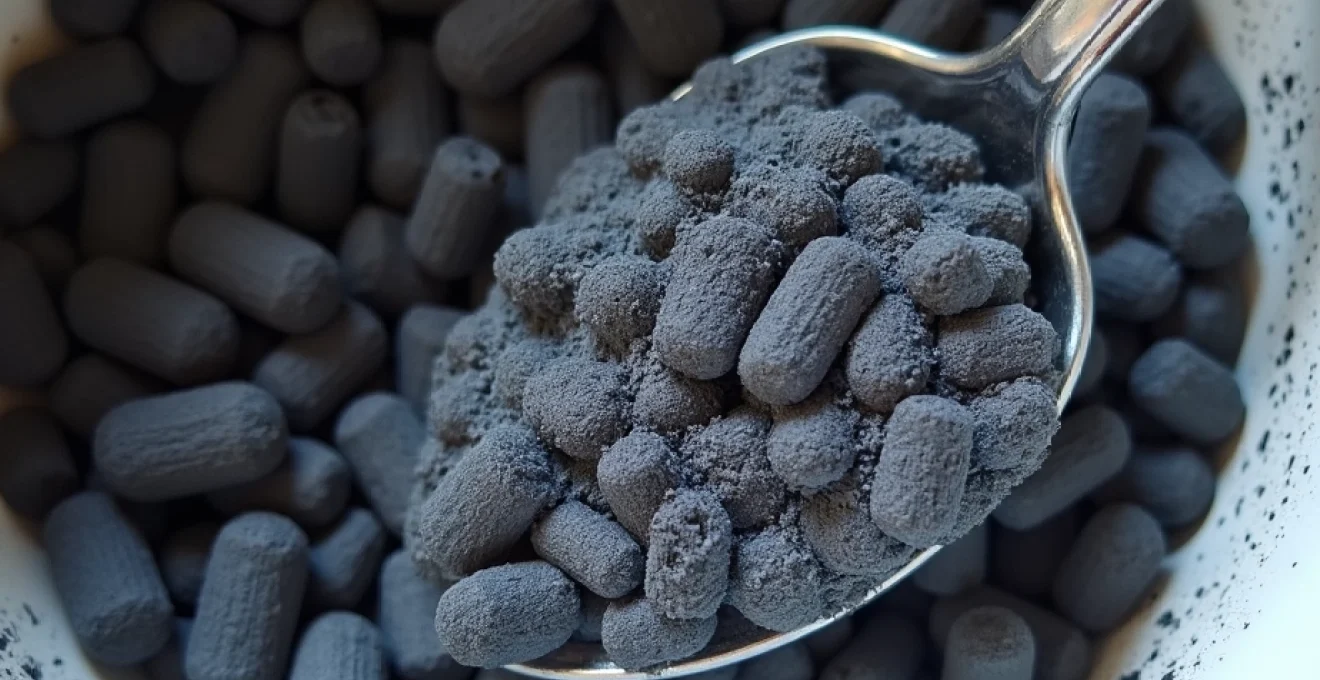
Activated charcoal has gained significant attention in recent years, from trendy black ice cream to emergency room protocols for treating overdoses. However, many people fail to understand the critical timing considerations when using this powerful adsorbent alongside their regular medications. The indiscriminate binding properties of activated charcoal can dramatically reduce the effectiveness of prescription drugs, over-the-counter medications, and essential supplements when timing isn’t carefully managed.
Understanding the precise timeframes for medication administration after activated charcoal use isn’t merely academic knowledge—it’s essential for maintaining therapeutic drug levels and preventing potentially dangerous interactions. Medical professionals recommend specific waiting periods that vary depending on the medication type, dosage, and individual patient factors. This knowledge becomes particularly crucial for patients managing chronic conditions who may occasionally need activated charcoal for digestive issues or accidental toxin exposure.
Activated charcoal absorption mechanisms and drug interaction timeframes
The mechanism by which activated charcoal interferes with medications centres on its remarkable adsorption capacity. Unlike absorption, where substances dissolve into one another, adsorption involves molecules binding to the surface of the charcoal particles. This process occurs rapidly in the gastrointestinal tract, typically within minutes of contact between the charcoal and target substances.
The standard medical recommendation is to wait at least two to three hours after taking activated charcoal before administering any oral medications. This timeframe allows the majority of charcoal particles to transit through the stomach and enter the small intestine, where their binding capacity becomes significantly reduced due to pH changes and the presence of digestive enzymes.
Gastrointestinal transit time and charcoal residence duration
Gastric emptying time plays a crucial role in determining safe medication timing after charcoal administration. Under normal circumstances, activated charcoal remains in the stomach for approximately 30 to 90 minutes, depending on individual gastric motility, the presence of food, and the specific formulation used. During this period, the risk of drug binding remains exceptionally high.
Small bowel transit time for activated charcoal typically ranges from two to four hours in healthy individuals. However, patients with compromised gastrointestinal motility, diabetes, or those taking medications that affect gut function may experience prolonged transit times. Clinical studies suggest that charcoal particles can retain some binding capacity for up to six hours post-administration , though this capacity diminishes significantly after the first two hours.
Surface area adsorption capacity of medical grade charcoal
Medical-grade activated charcoal possesses an enormous surface area, typically ranging from 500 to 1,500 square metres per gram. This vast surface area, created through controlled activation processes involving steam or chemical treatments, provides countless binding sites for pharmaceutical compounds. The porous structure of activated charcoal creates both macropores and micropores, with micropores being particularly effective at trapping smaller molecular weight compounds.
The binding capacity isn’t infinite, however. Saturation points vary depending on the molecular characteristics of the substances present in the gastrointestinal tract. When multiple compounds compete for binding sites, the charcoal may preferentially adsorb certain molecules based on their chemical structure, size, and binding affinity.
Ph-dependent binding affinity variables in stomach and small intestine
The effectiveness of activated charcoal binding varies significantly with pH changes throughout the digestive system. In the acidic environment of the stomach (pH 1.5-3.5), many medications exist in their non-ionised forms, making them more susceptible to charcoal adsorption. As the pH rises in the duodenum and jejunum (pH 6.0-7.4), some drugs become ionised and less likely to bind to charcoal.
This pH-dependent binding phenomenon explains why certain medications show greater susceptibility to charcoal interference than others. Weak acids and weak bases demonstrate varying binding patterns depending on the local pH environment, which has important implications for timing medication administration after charcoal use.
Molecular weight selectivity for pharmaceutical compounds
Activated charcoal demonstrates preferential binding for compounds within specific molecular weight ranges. Generally, molecules with molecular weights between 100 and 1,000 daltons show the highest binding affinity. This range encompasses many common medications, including aspirin (180 daltons), digoxin (781 daltons), and warfarin (308 daltons).
Larger molecules, such as insulin or monoclonal antibodies, typically show reduced binding to activated charcoal due to their size relative to the available pore structures. Conversely, very small molecules like lithium ions may not bind effectively due to their high water solubility and rapid absorption kinetics.
Specific medication classes and required waiting periods
Different pharmaceutical classes require varying waiting periods after activated charcoal administration due to their unique pharmacokinetic properties, binding affinities, and therapeutic windows. Understanding these class-specific recommendations helps healthcare providers and patients make informed decisions about medication timing.
The concept of therapeutic windows becomes particularly important when considering charcoal-medication interactions. Some medications have narrow therapeutic ranges where even small reductions in bioavailability can lead to treatment failure or breakthrough symptoms.
Cardiovascular medications: digoxin, warfarin, and Beta-Blockers
Cardiovascular medications represent one of the most critical categories when considering activated charcoal interactions. Digoxin, with its narrow therapeutic index, requires a minimum four-hour separation from activated charcoal administration. Studies have demonstrated that even small amounts of residual charcoal can reduce digoxin bioavailability by 60-90%, potentially leading to heart failure exacerbations in vulnerable patients.
Warfarin presents unique challenges due to its long half-life and critical role in anticoagulation therapy. Healthcare providers typically recommend a minimum three-hour waiting period, though some experts suggest extending this to four hours for patients requiring precise anticoagulation control. Beta-blockers like propranolol show variable binding affinity, with lipophilic agents demonstrating greater susceptibility to charcoal adsorption.
Psychiatric pharmaceuticals: SSRIs, benzodiazepines, and antipsychotics
Psychiatric medications often require extended waiting periods due to their lipophilic nature and high binding affinity to activated charcoal. Selective serotonin reuptake inhibitors (SSRIs) such as sertraline and fluoxetine can experience significant bioavailability reduction when taken within four hours of charcoal administration.
Benzodiazepines demonstrate particularly strong binding to activated charcoal, with studies showing up to 95% reduction in absorption when co-administered.
For patients on maintenance benzodiazepine therapy, psychiatric decompensation risk necessitates strict adherence to minimum four-hour separation guidelines.
Antipsychotic medications, especially those with anticholinergic properties, require similar precautions.
Antibiotics and antimicrobial agents: penicillin, fluoroquinolones, and macrolides
Antibiotic interactions with activated charcoal can have serious implications for infection treatment outcomes. Fluoroquinolones like ciprofloxacin show moderate binding affinity, typically requiring a three-hour separation period to maintain therapeutic blood levels. Macrolide antibiotics, including erythromycin and azithromycin, demonstrate variable binding patterns based on their specific chemical structures.
Penicillin-based antibiotics generally show lower binding affinity to activated charcoal compared to other antibiotic classes. However, the critical nature of maintaining adequate antibiotic levels for infection eradication necessitates conservative timing approaches. Most infectious disease specialists recommend a minimum three-hour waiting period for all antibiotic classes when activated charcoal has been administered.
Hormonal contraceptives and thyroid replacement therapy
Hormonal contraceptives represent a category where even minor reductions in bioavailability can have significant consequences. Combined oral contraceptives containing ethinyl estradiol and synthetic progestins show moderate to high binding affinity to activated charcoal. The standard recommendation involves a minimum four-hour separation, though some experts suggest extending this to six hours for critical cycle control.
Levothyroxine, the standard thyroid replacement therapy, requires particular attention due to its narrow therapeutic window and sensitive absorption characteristics. Patients on thyroid replacement therapy should wait at least four hours after charcoal administration before taking their thyroid medication, preferably taking the thyroid hormone first thing in the morning on an empty stomach as usually recommended.
Pain management: opioids, NSAIDs, and acetaminophen interactions
Pain management medications show varying degrees of interaction with activated charcoal. Acetaminophen demonstrates particularly strong binding affinity, which forms the basis for its use as a test compound in charcoal effectiveness studies. Patients requiring acetaminophen for pain relief should wait a minimum of three hours after charcoal administration.
Opioid medications like morphine, codeine, and oxycodone show moderate binding affinity to activated charcoal. However, their critical role in pain management and potential for withdrawal symptoms necessitates careful timing considerations. Non-steroidal anti-inflammatory drugs (NSAIDs) generally require two to three-hour separation periods, though aspirin shows particularly high binding affinity requiring extended waiting periods.
Clinical pharmacokinetic studies on Charcoal-Drug separation
Controlled pharmacokinetic studies provide the scientific foundation for current timing recommendations regarding activated charcoal and medication administration. A landmark study published in Clinical Toxicology examined acetaminophen bioavailability when activated charcoal was administered at various time intervals, demonstrating that separation periods of less than one hour resulted in dramatic reductions in drug absorption.
Research conducted with healthy volunteers showed that activated charcoal administered one hour after acetaminophen ingestion reduced bioavailability by approximately 30%. However, when the separation period extended to two hours, this reduction dropped to less than 10%, and at three hours, interference became clinically insignificant. These findings established the scientific basis for current two-to-three-hour waiting period recommendations.
Subsequent studies examining various medication classes have confirmed similar patterns, though some variations exist based on specific drug characteristics. Lipophilic medications generally show prolonged binding potential, while hydrophilic compounds demonstrate more predictable separation timeframes. The consistency of these findings across multiple research centres has led to standardised protocols in clinical practice.
Pharmacokinetic modelling studies suggest that individual patient factors, including gastric pH, motility disorders, and concurrent medication use, can significantly influence optimal timing recommendations.
Emergency medicine protocols for activated charcoal administration
Emergency departments worldwide have developed standardised protocols for activated charcoal administration that carefully consider medication timing issues. These protocols typically involve comprehensive medication reconciliation before charcoal administration, with particular attention to time-sensitive medications that patients may need to continue during their emergency department stay.
The emergency medicine approach to charcoal-medication interactions involves risk-benefit analysis for each individual case. Patients presenting with serious poisonings may require activated charcoal despite taking critical medications, necessitating alternative drug delivery routes or modified dosing schedules during the treatment period.
Poison control centre guidelines for Multi-Dose activated charcoal
Multi-dose activated charcoal protocols present unique challenges for medication timing. When patients receive repeated charcoal doses every four to six hours for enhanced elimination of certain toxins, maintaining therapeutic drug levels becomes increasingly complex. Poison control centres have developed specific guidelines addressing these scenarios.
The standard approach involves scheduling essential medications to coincide with the longest intervals between charcoal doses. For patients requiring frequent medication administration, healthcare providers may need to consider intravenous or sublingual alternatives to bypass gastrointestinal absorption entirely. These protocols require constant monitoring and adjustment based on patient response and drug level measurements.
Hospital emergency department standard operating procedures
Emergency departments typically maintain detailed standard operating procedures addressing activated charcoal use in patients with complex medication regimens. These procedures include medication hold protocols, alternative drug delivery methods, and specific timing charts for common medication classes.
Staff training on these protocols emphasises the importance of documentation and communication with patients’ regular healthcare providers. When patients require activated charcoal, emergency physicians must consider the implications for ongoing chronic disease management and provide clear instructions for resuming normal medication schedules.
Toxicology assessment criteria for drug readministration
Clinical toxicologists employ specific criteria for determining when patients can safely resume their regular medications after activated charcoal treatment. These assessments consider the type and amount of charcoal administered, the patient’s gastrointestinal motility, and the specific medications involved.
The assessment process typically includes evaluation of gastric emptying, bowel movement patterns, and, when appropriate, serum drug level monitoring. Patients with delayed gastric emptying or constipation may require extended waiting periods before resuming oral medications.
Patient monitoring parameters during charcoal treatment
Comprehensive patient monitoring during activated charcoal treatment includes assessment of medication effectiveness, particularly for time-sensitive drugs. Healthcare providers monitor vital signs, symptom control, and laboratory parameters that might indicate subtherapeutic drug levels.
Special attention focuses on patients taking medications with narrow therapeutic windows, such as antiepileptic drugs, where breakthrough seizures could result from reduced bioavailability. Continuous monitoring allows for rapid intervention if medication levels fall below therapeutic ranges.
Pharmaceutical bioavailability considerations and therapeutic efficacy
The impact of activated charcoal on pharmaceutical bioavailability extends beyond simple binding interactions. Changes in gastrointestinal pH, motility alterations, and competition for binding sites can all influence drug absorption patterns in complex ways. Understanding these multifactorial effects helps healthcare providers make more informed decisions about medication timing and dosing adjustments.
Bioavailability reduction doesn’t always translate to proportional decreases in therapeutic effect. Some medications have wide therapeutic windows that can accommodate minor reductions in absorption without compromising clinical efficacy. However, drugs with steep dose-response curves or narrow therapeutic indices require more conservative approaches to timing and dosing.
The concept of therapeutic equivalence becomes important when considering whether delayed administration or dose adjustments can compensate for charcoal-induced binding. Mathematical modelling suggests that extending dosing intervals rather than increasing doses may be more effective for maintaining stable drug levels in patients who have received activated charcoal.
| Medication Class | Minimum Waiting Period | Binding Affinity | Special Considerations |
|---|---|---|---|
| Cardiovascular | 3-4 hours | High | Monitor for arrhythmias |
| Antibiotics | 3 hours | Moderate | Infection treatment priority |
| Psychiatric | 4 hours | High | Monitor for symptom breakthrough |
| Hormonal | 4-6 hours | Variable | Consider alternative contraception |
Healthcare professional recommendations and patient safety protocols
Healthcare professionals emphasise that patient safety must always take precedence over rigid timing protocols. Individual patient circumstances, including the severity of poisoning, the criticality of ongoing medications, and overall clinical status, should guide decision-making processes. Emergency situations may require deviation from standard timing recommendations, with appropriate monitoring and intervention strategies.
Communication between healthcare providers becomes essential when patients receive activated charcoal in emergency settings. Emergency physicians must clearly communicate timing recommendations to primary care providers, specialists, and pharmacists to ensure coordinated care during the post-treatment period. Documentation should include specific medications held, timing of charcoal administration, and recommended resumption schedules.
Patient education forms a crucial component of safe activated charcoal use. Healthcare providers must ensure that patients understand the importance of medication timing, potential consequences of premature drug administration, and signs that might indicate subtherapeutic medication levels. Clear written instructions help patients navigate the complex timing requirements during their recovery period.
The complexity of modern pharmaceutical regimens requires healthcare providers to maintain detailed protocols for patients who may occasionally need activated charcoal while managing chronic conditions. These protocols include medication reconciliation procedures, risk stratification systems, and coordinated care approaches that ensure continuity of treatment while maximising patient safety.
For patients with chronic conditions requiring multiple daily medications, healthcare providers often develop personalised timing schedules that accommodate potential activated charcoal use. These individualised protocols consider each patient’s specific medication regimen, dosing requirements, and clinical stability to create practical guidelines for emergency situations. The goal is to prevent therapeutic gaps while ensuring effective toxin management when charcoal becomes necessary.
Pharmaceutical care teams play an increasingly important role in optimising medication timing after activated charcoal administration. Clinical pharmacists work closely with physicians to adjust dosing schedules, recommend alternative formulations when appropriate, and monitor for signs of subtherapeutic drug levels. This collaborative approach helps bridge the gap between emergency toxicology treatment and ongoing chronic disease management.
The integration of activated charcoal protocols into routine healthcare delivery requires ongoing education, clear communication channels, and robust monitoring systems to ensure patient safety while maintaining therapeutic efficacy of essential medications.
Patient advocacy organisations emphasise the importance of advance planning for individuals who regularly take critical medications and may be at risk for accidental poisoning or toxin exposure. These organisations recommend that patients discuss activated charcoal protocols with their healthcare providers before emergency situations arise, ensuring that everyone involved understands the timing requirements and potential alternatives for maintaining therapeutic drug levels.
Quality improvement initiatives in healthcare systems focus on reducing medication errors and therapeutic gaps associated with activated charcoal administration. These initiatives typically involve standardised order sets, automated medication timing alerts, and comprehensive discharge planning protocols that address the transition back to normal medication schedules. Continuous monitoring of patient outcomes helps refine these protocols and improve overall care quality.
The evolution of personalised medicine approaches will likely influence future activated charcoal protocols, with genetic testing and individual pharmacokinetic profiling potentially informing more precise timing recommendations. As our understanding of drug-charcoal interactions becomes more sophisticated, healthcare providers will be better equipped to balance the benefits of toxin adsorption against the risks of therapeutic medication interference, ultimately improving patient outcomes in both emergency and routine care settings.