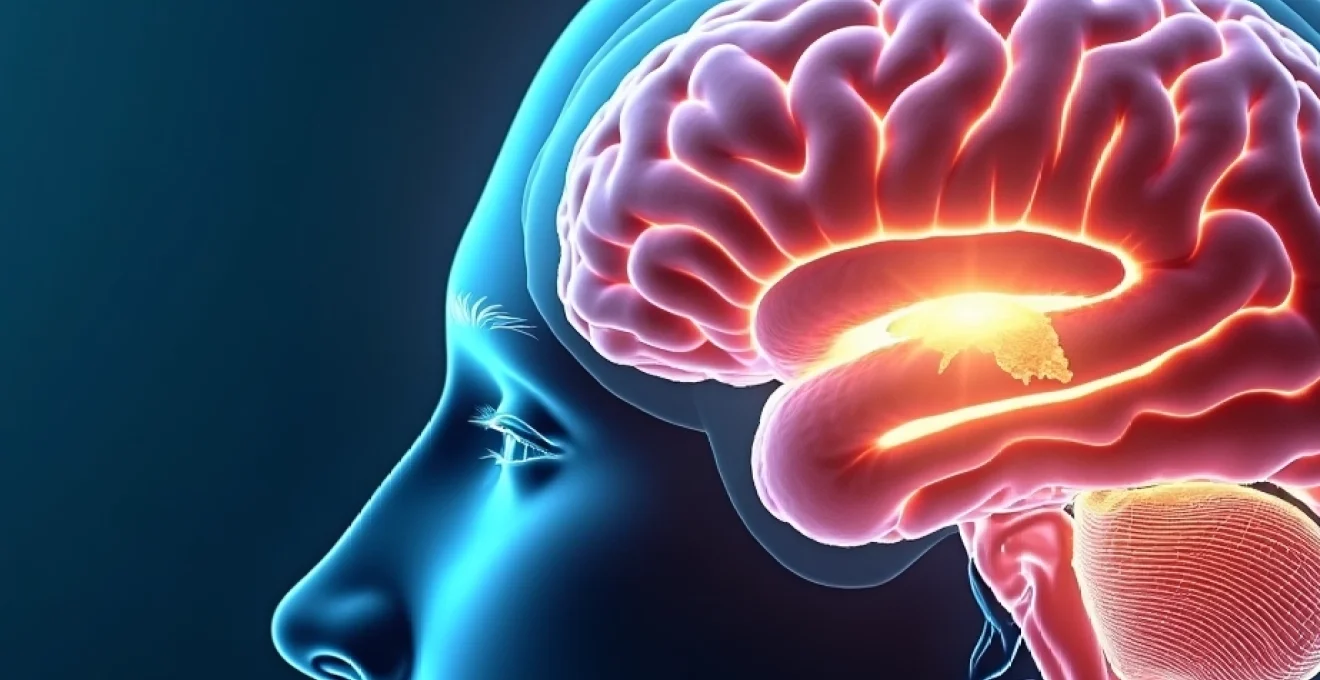
The human brain harbours an extraordinary concentration of cholesterol, containing approximately 20-25% of the body’s total cholesterol content despite representing only 2% of total body weight. This remarkable accumulation reflects cholesterol’s critical importance in neurological function, from maintaining membrane integrity to facilitating synaptic transmission. Unlike peripheral organs that rely on dietary cholesterol absorption, the brain operates as an isolated cholesterol sanctuary, protected by the blood-brain barrier and dependent on local synthesis for its substantial cholesterol requirements.
Quantitative analysis of cholesterol content in human brain tissue
Research indicates that the adult human brain contains approximately 25-30 grams of cholesterol, representing one of the highest cholesterol concentrations found in any organ system. This substantial accumulation occurs through highly regulated biosynthetic pathways that operate independently of peripheral cholesterol metabolism. The cholesterol content varies significantly between different brain regions, with white matter containing substantially higher concentrations than grey matter due to its extensive myelin composition.
Brain cholesterol exists in two primary forms: unesterified cholesterol in cell membranes and myelin sheaths, and smaller amounts of cholesteryl esters in certain cellular compartments. The vast majority exists as free cholesterol, which maintains optimal membrane fluidity and supports essential neurological processes. This distribution pattern reflects the brain’s unique metabolic requirements and the specialised functions of different neural tissue types.
Total cholesterol mass distribution across brain regions
Different brain regions demonstrate distinct cholesterol accumulation patterns that correlate with their functional specialisation. The frontal and temporal lobes contain approximately 4-6 grams of cholesterol each in healthy adults, whilst the cerebellum harbours roughly 3-4 grams. These variations reflect differences in neuronal density, synaptic complexity, and myelination patterns across brain regions.
The corpus callosum and other major white matter tracts contain the highest cholesterol concentrations per gram of tissue, often exceeding 150-200 mg/g wet weight. This concentration dramatically surpasses that found in grey matter regions, where cholesterol content typically ranges from 50-80 mg/g wet weight. Such regional variations underscore cholesterol’s fundamental role in myelin formation and maintenance.
Cholesterol concentration measurements in grey matter versus white matter
White matter cholesterol concentrations can exceed those in grey matter by factors of three to four, primarily due to the extensive myelin sheaths surrounding axons. Myelin contains approximately 70% of the brain’s total cholesterol, making it the largest cholesterol reservoir within the nervous system. This concentration reaches its peak in heavily myelinated regions such as the internal capsule and pyramidal tracts.
Grey matter cholesterol distribution follows different patterns, with higher concentrations in areas rich in synaptic connections. The hippocampus, known for its dense synaptic networks, contains elevated cholesterol levels compared to other grey matter regions. Cortical areas with complex laminar organisation also demonstrate enhanced cholesterol accumulation, particularly in layers containing numerous synaptic terminals.
Age-related variations in cerebral cholesterol levels
Cholesterol levels in the human brain undergo significant changes throughout the lifespan, with the most dramatic accumulation occurring during early development and myelination. Newborn brains contain approximately 50-60% of adult cholesterol levels, with rapid accumulation occurring during the first two years of life as myelination progresses. Peak cholesterol levels are typically achieved by early adulthood, coinciding with the completion of major myelination processes.
Advanced age brings subtle but measurable changes in brain cholesterol metabolism. Studies indicate that cholesterol turnover rates decrease with age, whilst regional variations become more pronounced. Certain brain regions may experience cholesterol depletion associated with age-related myelin degradation, contributing to cognitive changes observed in elderly populations. Age-related alterations in cholesterol homeostasis may represent early markers of neurodegenerative processes.
Comparative analysis with other organ systems
The brain’s cholesterol concentration dramatically exceeds that found in other organs, including the cholesterol-rich liver and adrenal glands. Liver tissue contains approximately 2-4 mg cholesterol per gram, whilst adrenal tissue reaches 10-15 mg per gram. In contrast, brain tissue averages 100-150 mg per gram, demonstrating the unique cholesterol requirements of nervous tissue.
This extraordinary concentration reflects the brain’s dependence on cholesterol for multiple critical functions. Unlike other organs that can adapt to varying cholesterol availability, the brain maintains strict cholesterol homeostasis through sophisticated regulatory mechanisms. The blood-brain barrier’s impermeability to peripheral cholesterol necessitates this high local concentration to support ongoing neurological functions.
Neuronal membrane cholesterol composition and myelin sheath architecture
Neuronal membranes contain cholesterol concentrations approaching 40-50% of total membrane lipids, significantly higher than typical cell membranes found elsewhere in the body. This high cholesterol content profoundly influences membrane properties, including fluidity, permeability, and protein function. The precise cholesterol distribution within neuronal membranes creates specialised microdomains that facilitate neurotransmitter release and synaptic communication.
Cholesterol’s molecular structure, with its rigid steroid backbone and flexible hydrocarbon tail, allows it to intercalate between phospholipid molecules and modulate membrane dynamics. This integration creates optimal conditions for membrane protein function, particularly ion channels and neurotransmitter receptors that require specific lipid environments. The resulting membrane architecture supports the rapid electrical signalling that characterises neural communication.
Cholesterol’s role in myelin basic protein stabilisation
Myelin basic protein (MBP) requires cholesterol-rich environments for optimal structural stability and function. Cholesterol molecules interact directly with MBP through hydrophobic associations, helping maintain the compact multilamellar structure essential for efficient action potential propagation. Research demonstrates that cholesterol depletion significantly impairs MBP stability, leading to myelin sheath degradation and compromised neural conductivity.
The interaction between cholesterol and MBP creates a stable lipid-protein complex that resists mechanical stress and maintains structural integrity over time. This relationship proves particularly important in heavily utilised neural pathways where myelin sheaths experience repeated compression and expansion during action potential transmission. Cholesterol-mediated stabilisation ensures myelin durability under these demanding conditions.
Synaptic membrane cholesterol microdomains and lipid rafts
Synaptic membranes contain specialised cholesterol-rich microdomains known as lipid rafts, which concentrate neurotransmitter receptors and signalling molecules. These microdomains, comprising 20-30% of synaptic membrane area, facilitate rapid and efficient synaptic transmission by organising critical proteins in optimal spatial arrangements. Cholesterol serves as the structural foundation for these specialised membrane regions.
Lipid raft cholesterol concentrations can exceed 60-70% of total lipid content, creating highly ordered membrane domains that contrast sharply with surrounding membrane regions. This organisation enables precise control over neurotransmitter receptor clustering, synaptic vesicle fusion machinery positioning, and post-synaptic signalling cascade initiation. The resulting synaptic architecture supports the remarkable speed and specificity of neural communication.
Oligodendrocyte cholesterol synthesis and myelin maintenance
Oligodendrocytes represent the brain’s primary cholesterol-producing cells, synthesising vast quantities to support myelin formation and maintenance. A single oligodendrocyte can produce up to 40-50 times its own weight in myelin lipids daily during active myelination periods. This extraordinary synthetic capacity requires sophisticated regulatory mechanisms to coordinate cholesterol production with myelin assembly processes.
The cholesterol synthesis pathway in oligodendrocytes operates at maximum capacity during development and maintains high activity levels throughout life to support myelin turnover. Key enzymes including HMG-CoA reductase show elevated expression in oligodendrocytes compared to other brain cell types. This specialisation reflects the enormous cholesterol demands associated with creating and maintaining the extensive myelin networks that characterise the mature nervous system.
Axonal membrane cholesterol distribution patterns
Axonal membranes demonstrate distinct cholesterol distribution patterns that vary with axon diameter, myelination status, and functional requirements. Large-diameter axons typically contain higher cholesterol concentrations in their membrane systems, supporting the enhanced electrical properties necessary for rapid signal conduction. These patterns reflect the close relationship between membrane cholesterol content and axonal conduction velocity.
Unmyelinated axons maintain elevated cholesterol levels in their surface membranes to compensate for the absence of myelin insulation. This cholesterol enrichment helps optimise membrane resistance and capacitance properties, partially offsetting the conduction disadvantages associated with lack of myelination. The resulting membrane architecture represents an elegant adaptation to diverse functional requirements within the nervous system.
Blood-brain barrier cholesterol transport mechanisms
The blood-brain barrier creates an almost impermeable boundary between peripheral cholesterol pools and brain cholesterol metabolism. This selective barrier prevents dietary and hepatically-derived cholesterol from entering brain tissue, necessitating complete reliance on local cholesterol synthesis for brain function. The barrier’s effectiveness in excluding cholesterol represents one of the most stringent molecular filtering systems in human physiology.
Despite this barrier, the brain maintains sophisticated mechanisms for cholesterol homeostasis that involve specialised transport proteins and metabolic pathways. The primary cholesterol efflux pathway involves conversion to 24S-hydroxycholesterol, an oxysterol capable of crossing the blood-brain barrier. This conversion, catalysed by the neuron-specific enzyme CYP46A1, represents the brain’s primary mechanism for cholesterol elimination and homeostatic control.
Apolipoprotein E (ApoE) serves as the brain’s primary cholesterol transport protein, facilitating cholesterol redistribution between different cell types and brain regions. Unlike peripheral lipoproteins, brain ApoE operates within a closed system, recycling cholesterol efficiently without external input. This recycling mechanism proves particularly important during periods of high cholesterol demand, such as active myelination or synaptic remodelling.
The blood-brain barrier’s cholesterol impermeability has profound implications for therapeutic interventions targeting brain cholesterol metabolism. Conventional cholesterol-lowering medications such as statins show limited brain penetration, necessitating alternative approaches for modulating cerebral cholesterol levels. Understanding these transport limitations guides development of brain-specific cholesterol modulators and therapeutic strategies.
Cerebral cholesterol biosynthesis pathways and HMG-CoA reductase activity
Brain cholesterol biosynthesis follows the classical mevalonate pathway but demonstrates unique regulatory characteristics that distinguish it from peripheral cholesterol metabolism. The brain expresses all necessary enzymes for de novo cholesterol synthesis, with particularly high activity levels in oligodendrocytes and astrocytes. This local synthesis capacity must meet the enormous cholesterol demands associated with brain development and maintenance.
HMG-CoA reductase, the rate-limiting enzyme in cholesterol synthesis, shows distinct regulation patterns in brain tissue compared to other organs. Brain HMG-CoA reductase activity remains relatively stable throughout life, contrasting sharply with the highly variable activity seen in liver and other peripheral tissues. This stability reflects the brain’s constant cholesterol requirements and limited ability to obtain cholesterol from external sources.
The brain’s cholesterol synthesis pathway demonstrates remarkable efficiency, with conversion rates that can exceed those found in actively synthesising peripheral tissues. During peak developmental periods, brain cholesterol synthesis rates may reach 5-10 mg per day, representing an extraordinary metabolic commitment given the brain’s relatively small mass. This synthetic capacity requires coordinated regulation of multiple enzymatic steps and substantial energy investment.
Regulatory mechanisms controlling brain cholesterol synthesis involve both transcriptional and post-translational controls that respond to local cholesterol levels and cellular demands. The sterol regulatory element-binding proteins (SREBPs) play crucial roles in coordinating cholesterol synthesis with cellular requirements. These sophisticated control mechanisms ensure adequate cholesterol availability whilst preventing potentially toxic accumulation that could disrupt membrane function.
Clinical implications of brain cholesterol dysregulation in neurological disorders
Disrupted brain cholesterol metabolism contributes significantly to the pathogenesis of numerous neurological disorders, from neurodevelopmental conditions to age-related neurodegenerative diseases. Research increasingly demonstrates that cholesterol homeostasis disruption often precedes clinical symptom onset, suggesting potential therapeutic targets for early intervention strategies. Understanding these connections provides valuable insights into disease mechanisms and treatment approaches.
The brain’s dependence on local cholesterol synthesis creates vulnerability to genetic defects affecting cholesterol metabolism enzymes. Inherited disorders of cholesterol synthesis, such as Smith-Lemli-Opitz syndrome, demonstrate the devastating consequences of inadequate brain cholesterol availability. These conditions highlight cholesterol’s fundamental importance in normal brain development and function.
Alzheimer’s disease and amyloid plaque cholesterol interactions
Cholesterol plays a complex role in Alzheimer’s disease pathogenesis, influencing both amyloid-β peptide production and aggregation processes. Research demonstrates that cholesterol acts as a catalyst for amyloid-β aggregation, accelerating the formation of toxic protein clusters by up to 20-fold. This catalytic effect occurs through cholesterol’s interaction with lipid membranes, where it concentrates amyloid-β peptides and promotes their aggregation into pathological plaques.
The relationship between cholesterol and amyloid-β processing involves multiple mechanisms, including effects on secretase enzyme activity and membrane domain organisation. Cholesterol-rich membrane domains concentrate β-secretase and γ-secretase activities, promoting amyloid-β production from amyloid precursor protein. This localised processing creates microenvironments conducive to amyloid-β accumulation and subsequent pathological cascades.
Genetic studies support cholesterol’s role in Alzheimer’s disease, with several cholesterol metabolism genes identified as disease risk factors. The ApoE4 variant, strongly associated with increased Alzheimer’s risk, affects brain cholesterol transport and may promote amyloid-β aggregation through altered cholesterol homeostasis. These genetic associations provide compelling evidence for cholesterol’s involvement in disease pathogenesis beyond simple correlation.
Huntington’s disease cholesterol metabolism disruption
Huntington’s disease involves significant disruptions in brain cholesterol homeostasis that contribute to the progressive neurodegeneration characteristic of this condition. The mutant huntingtin protein interferes with normal cholesterol synthesis and transport mechanisms, leading to cellular cholesterol deficiency and membrane dysfunction. These metabolic disturbances appear early in disease progression, often preceding obvious clinical symptoms.
Cholesterol depletion in Huntington’s disease particularly affects synaptic function and membrane integrity, contributing to the movement disorders and cognitive decline observed in patients. Research indicates that cholesterol supplementation strategies may offer therapeutic benefits by restoring normal membrane function and cellular metabolism.
The question for us now is not how to eliminate cholesterol from the brain, but about how to control cholesterol’s role in disease through the regulation of its interaction with pathogenic proteins.
Multiple sclerosis myelin cholesterol depletion mechanisms
Multiple sclerosis involves progressive myelin destruction that fundamentally alters brain cholesterol distribution and metabolism. The inflammatory processes characteristic of multiple sclerosis attack myelin sheaths, releasing large quantities of cholesterol into the extracellular space where it may contribute to ongoing inflammation and tissue damage. This cholesterol liberation creates complex feedback loops that can perpetuate the disease process.
Oligodendrocyte dysfunction in multiple sclerosis compromises the brain’s ability to synthesise replacement cholesterol for damaged myelin sheaths. This synthetic deficit impairs remyelination attempts and contributes to the progressive nature of the disease. Understanding these metabolic limitations guides development of therapeutic strategies aimed at supporting cholesterol synthesis and myelin repair processes.
Niemann-pick disease type C cholesterol accumulation patterns
Niemann-Pick disease type C represents a striking example of how disrupted cholesterol transport can cause severe neurological dysfunction. This genetic disorder affects intracellular cholesterol trafficking, leading to abnormal cholesterol accumulation in lysosomes and other cellular compartments. The resulting cellular dysfunction particularly affects neurons and glial cells, causing progressive neurodegeneration from early childhood.
The cholesterol accumulation patterns in Niemann-Pick disease type C demonstrate the importance of proper cholesterol distribution for normal brain function. Affected cells show characteristic cholesterol-laden lysosomes and disrupted membrane composition that impairs cellular communication and survival. These pathological changes highlight cholesterol’s role not just in membrane structure, but in fundamental cellular processes including autophagy and organelle function.
Research into Niemann-Pick disease type C has revealed crucial insights into normal brain cholesterol metabolism and transport mechanisms. The identification of NPC1 and N
PC2 proteins as key cholesterol transport molecules has provided crucial insights into therapeutic approaches for this devastating condition.
Current research focuses on developing pharmacological chaperones and cholesterol transport enhancers that could restore normal cholesterol trafficking in affected cells. These therapeutic strategies aim to bypass the defective transport mechanisms and restore cellular cholesterol homeostasis, potentially slowing or preventing the progressive neurodegeneration associated with this condition.
The study of Niemann-Pick disease type C continues to inform our understanding of cholesterol’s role in broader neurological health. The disease serves as a powerful model for investigating how cholesterol transport defects contribute to neurodegeneration, providing insights that extend far beyond this specific genetic condition to encompass age-related cognitive decline and other neurodegenerative processes.
Brain cholesterol research represents a rapidly evolving field with profound implications for understanding neurological health and disease. The brain’s unique cholesterol metabolism, characterised by local synthesis, strict homeostatic control, and specialised transport mechanisms, creates both opportunities and challenges for therapeutic intervention. As our understanding of these complex systems continues to grow, new possibilities emerge for treating cholesterol-related neurological disorders.
The intricate relationship between cholesterol and brain function extends from basic membrane biology to complex disease mechanisms, highlighting cholesterol’s fundamental importance in neurological health. Future research directions include developing brain-specific cholesterol modulators, understanding age-related changes in cholesterol metabolism, and exploring cholesterol’s role in neuroprotection and repair processes.
For healthcare professionals and researchers, recognising cholesterol’s multifaceted role in brain function provides valuable insights for patient care and therapeutic development. The brain’s cholesterol sanctuary, protected by the blood-brain barrier yet vulnerable to metabolic disruption, represents one of the most sophisticated biological systems governing neurological health and longevity.