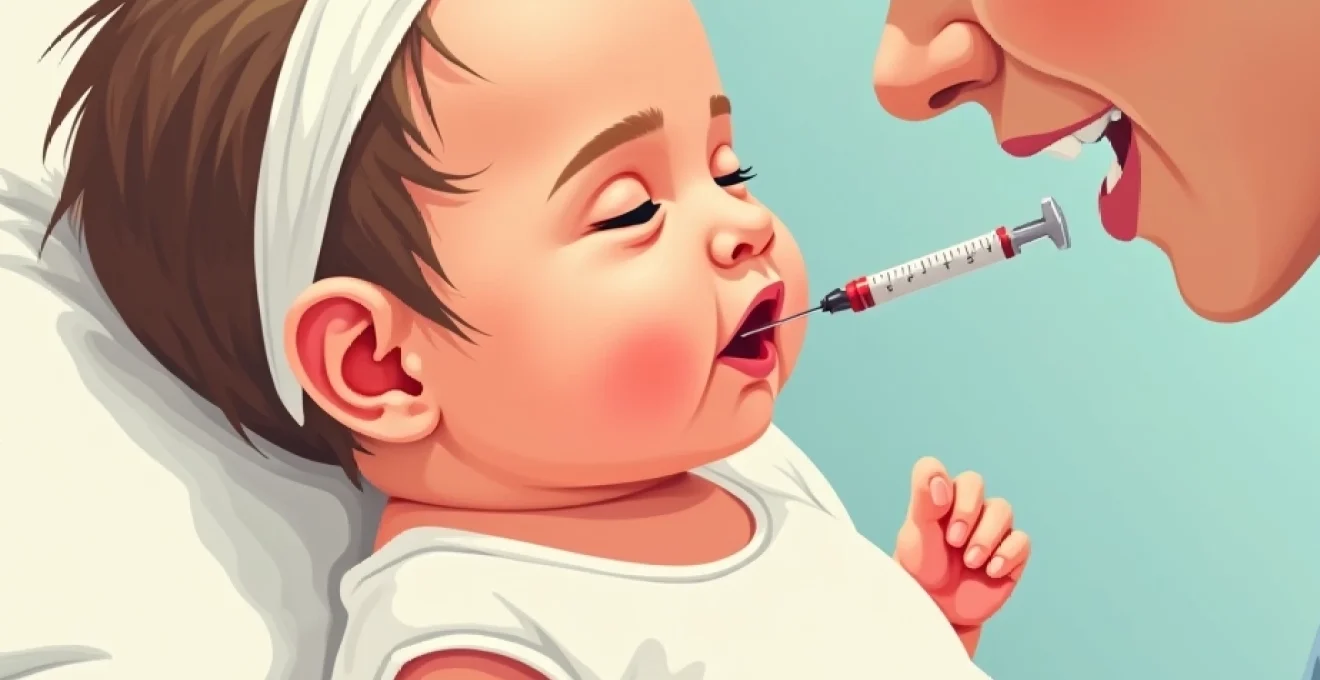
The recent measles outbreak in Texas has created unprecedented challenges for healthcare facilities, particularly those caring for vulnerable newborn populations. As cases surge beyond 300 confirmed infections across Texas and New Mexico, the exposure of very young babies at University Medical Center Children’s Hospital in Lubbock has heightened concerns among parents and healthcare professionals alike. This situation underscores the critical vulnerability of neonates who cannot yet receive standard vaccinations and highlights the complex medical protocols required to protect these fragile patients.
The outbreak, which began in late January 2025, has demonstrated the remarkable contagiousness of the measles virus, with 90% of unvaccinated individuals developing infection upon exposure. For newborns, this statistic becomes particularly alarming given their limited immune defences and inability to receive protective vaccination until 12 months of age. Understanding the specific risks, prophylactic measures, and clinical management strategies becomes essential for parents navigating this challenging healthcare landscape.
Measles outbreak epidemiology and transmission dynamics in texas healthcare facilities
The current Texas measles outbreak represents one of the most significant public health challenges in recent years, with transmission patterns revealing concerning vulnerabilities within healthcare settings. The outbreak’s rapid expansion from initial cases in late January to over 300 confirmed infections by March demonstrates the virus’s extraordinary reproductive rate, with each infected individual potentially transmitting the disease to 18 others in unvaccinated populations.
Rubeola virus pathophysiology and contagion patterns in neonatal units
The measles virus, scientifically known as rubeola, exhibits particularly aggressive transmission characteristics in enclosed healthcare environments. Within neonatal intensive care units, the virus can remain viable in airborne droplets for up to two hours after an infected individual has left the area. This persistence creates significant challenges for infection control, as standard room turnover procedures may be insufficient to eliminate viral particles.
Neonatal units face unique transmission risks due to the concentrated population of immunologically naive infants and the frequent movement of healthcare personnel between patient areas. The virus spreads through respiratory droplets generated during normal breathing, coughing, or sneezing, with infected mothers potentially shedding viral particles during labour and delivery. Studies indicate that viral shedding begins approximately four days before rash appearance and continues for four days after onset, creating an extended period of potential exposure.
Nosocomial infection control protocols at texas children’s hospital systems
Texas healthcare facilities have implemented stringent nosocomial infection prevention measures following the newborn exposures. These protocols include immediate isolation of suspected cases in airborne infection isolation rooms (AIIR), enhanced personal protective equipment requirements for all staff, and modified visitor policies to limit potential viral introduction. Healthcare workers without presumptive evidence of measles immunity face work exclusion from day 5 through day 21 following exposure.
The complexity of managing measles in neonatal settings requires coordination between obstetric, paediatric, and infection control teams. Rapid identification systems have been established to flag patients with potential measles exposure, ensuring immediate implementation of isolation precautions upon hospital arrival. Additionally, enhanced surveillance protocols monitor for fever and rash development in all neonates with potential exposure history.
Airborne droplet transmission risk assessment for newborn populations
Newborns face heightened transmission risks due to their immature immune systems and the close-contact nature of neonatal care. The virus’s ability to remain suspended in air currents means that infants in adjacent rooms or common areas may face exposure risk even without direct contact with infected individuals. Assessment protocols now include detailed mapping of patient locations relative to confirmed cases and air circulation patterns within affected units.
Risk stratification models consider factors such as gestational age at birth, maternal antibody status, duration of potential exposure, and the infant’s overall health status. Premature infants and those with underlying medical conditions receive priority consideration for prophylactic interventions due to their increased vulnerability to severe complications. Environmental sampling of patient areas has become standard practice to assess viral contamination levels and guide decontamination efforts.
Incubation period variables and viral shedding duration in paediatric cases
The measles incubation period in newborns typically ranges from 7 to 21 days, with most cases developing symptoms within 10 to 14 days post-exposure. However, neonatal immune system immaturity can lead to atypical presentations and variable incubation periods. Maternal antibodies may provide partial protection, potentially extending the incubation period or modifying symptom severity without preventing infection entirely.
Viral shedding patterns in neonates differ from older children, with some infants demonstrating prolonged shedding periods due to immature immune responses. This extended shedding increases transmission risks within healthcare facilities and necessitates longer isolation periods. Monitoring protocols track viral loads through sequential nasopharyngeal swabs to determine when isolation precautions can be safely discontinued.
Post-exposure prophylaxis protocols and MMR vaccination contraindications
The administration of post-exposure prophylaxis represents a critical intervention for protecting newborns following measles exposure. Current protocols emphasise rapid response within specific timeframes to maximise protective effectiveness, with treatment decisions based on the infant’s age, exposure circumstances, and maternal antibody status.
Immunoglobulin administration guidelines for infants under 12 months
Immunoglobulin (IG) therapy serves as the primary post-exposure prophylaxis for infants under six months of age and those with contraindications to live vaccination. The treatment must be administered within six days of exposure to provide optimal protection, with earlier administration yielding better outcomes. Standard dosing protocols recommend 0.5 mL/kg of intramuscular immunoglobulin, with modifications based on the infant’s weight and clinical status.
The effectiveness of IG therapy depends heavily on timing, with administration within 72 hours providing maximum benefit. For infants exposed in healthcare settings, rapid identification and treatment protocols have been established to minimise delays. Healthcare providers must consider potential adverse reactions, including injection site reactions and rare anaphylactic responses, particularly in infants with known immunoglobulin allergies.
Maternal antibody transfer assessment and passive immunity duration
Maternal antibody transfer occurs primarily during the third trimester of pregnancy, providing newborns with temporary protection against measles. However, the duration and effectiveness of this passive immunity vary significantly based on maternal antibody levels, gestational age at delivery, and breastfeeding status. Most infants retain some protective antibodies for the first six months of life, though levels decline rapidly thereafter.
Assessment protocols now include maternal serological testing to determine antibody levels and predict infant protection duration. Mothers with high antibody titres typically confer longer-lasting protection to their infants, while those with marginal immunity may provide insufficient protection. Breastfeeding mothers continue to transfer protective antibodies through breast milk, though this protection remains incomplete compared to active vaccination.
CDC emergency vaccination protocols for High-Risk neonates
Emergency vaccination protocols permit MMR administration to infants as young as six months during outbreak situations or prior to international travel. These emergency doses do not count toward the standard vaccination series, requiring additional doses at 12-15 months and 4-6 years of age. The decision to provide emergency vaccination considers outbreak severity, individual risk factors, and potential exposure scenarios.
Healthcare providers must carefully evaluate contraindications before emergency vaccination, including immunocompromised states, concurrent illness, and known allergies to vaccine components. Post-vaccination monitoring protocols track for adverse reactions and vaccine effectiveness, with some infants requiring additional immunoglobulin therapy if vaccination occurs too late in the post-exposure window.
Contraindications for live attenuated vaccines in immunocompromised infants
Immunocompromised infants face absolute contraindications to live attenuated MMR vaccination due to the risk of vaccine-strain disease. These patients include those with primary immunodeficiency disorders, malignancies affecting the immune system, and those receiving immunosuppressive therapies. Alternative protection strategies focus on immunoglobulin therapy and environmental isolation measures.
Identification of immunocompromised infants requires comprehensive medical history review and coordination with paediatric subspecialists. Family history of immunodeficiency disorders, recurrent infections, or failure to thrive may indicate underlying immune dysfunction requiring further evaluation. These infants depend entirely on community immunity and barrier precautions for protection against measles transmission.
Clinical manifestation recognition and differential diagnosis in neonates
Recognising measles in newborns presents unique diagnostic challenges due to atypical presentations and the overlap of symptoms with other neonatal conditions. Early identification becomes crucial for implementing appropriate isolation measures and initiating targeted therapy before complications develop.
Koplik’s spots identification and prodromal symptom progression
Koplik’s spots, the pathognomonic oral lesions of measles, appear as small white or bluish-white spots surrounded by red halos on the buccal mucosa. In neonates, these lesions may be subtle and easily overlooked during routine examinations. Healthcare providers must conduct thorough oral examinations when evaluating febrile infants with potential measles exposure, as Koplik’s spots typically precede the characteristic rash by 24-48 hours.
The prodromal phase in newborns often presents with nonspecific symptoms including irritability, poor feeding, and temperature instability rather than the classic triad of cough, coryza, and conjunctivitis seen in older children. This atypical presentation can delay diagnosis and increase transmission risks within healthcare facilities. Photophobia may manifest as increased fussiness in bright environments, though this symptom can be difficult to assess in neonatal populations.
Maculopapular rash distribution patterns in newborn populations
The measles rash in newborns follows the characteristic cephalocaudal progression but may present with modified intensity and distribution compared to older children. The rash typically begins at the hairline and behind the ears before spreading to the face, neck, trunk, and extremities over a 3-4 day period. In neonates, the rash may appear less pronounced due to immature inflammatory responses.
Differential diagnosis must consider other causes of neonatal rash, including viral exanthems, drug reactions, and bacterial infections. The confluence of lesions and the presence of fever during rash development help distinguish measles from other conditions. Some immunocompromised infants may develop measles without the characteristic rash, emphasising the importance of maintaining high clinical suspicion based on exposure history.
Healthcare providers must maintain heightened awareness for atypical measles presentations in neonatal populations, as delayed diagnosis significantly increases transmission risks and complication rates.
Respiratory distress syndrome and pneumonia complications
Pneumonia represents the most common serious complication of neonatal measles, occurring in approximately 20% of infected infants. The immature respiratory system of newborns increases susceptibility to both viral and secondary bacterial pneumonia. Early signs include tachypnea, retractions, grunting, and oxygen desaturation, which may progress rapidly to respiratory failure requiring mechanical ventilation.
Respiratory distress in measles-infected neonates requires careful differentiation from other causes of neonatal respiratory compromise. Chest radiographs may reveal bilateral interstitial infiltrates characteristic of viral pneumonia, though bacterial superinfection can complicate the clinical picture. Supportive care includes oxygen supplementation, fluid management, and antimicrobial therapy for suspected bacterial complications.
Febrile seizure risk factors and neurological monitoring protocols
Neonatal measles carries an increased risk of neurological complications, including febrile seizures and encephalitis. The immature blood-brain barrier and developing nervous system create vulnerability to viral invasion and inflammatory responses. Monitoring protocols include neurological assessments, temperature management, and electroencephalographic monitoring for infants with altered mental status.
Seizure activity may present atypically in neonates, with subtle movements, apneic episodes, or changes in muscle tone rather than obvious convulsions. Healthcare providers must maintain low thresholds for neurological consultation and advanced monitoring in measles-infected infants. Long-term neurological sequelae, including developmental delays and hearing loss, necessitate comprehensive follow-up care.
Laboratory diagnostic testing and serological confirmation methods
Accurate laboratory diagnosis of neonatal measles requires specialised collection techniques and interpretation of results within the context of maternal antibodies and immune system immaturity. Multiple specimen types and testing methodologies increase diagnostic sensitivity and provide confirmatory evidence for public health reporting requirements.
Reverse transcription polymerase chain reaction (RT-PCR) testing of nasopharyngeal or throat swabs provides the most sensitive and specific diagnostic method for acute measles infection. Collection techniques must account for the small size of neonatal airways and potential feeding difficulties following specimen collection. Concurrent urine collection may improve diagnostic yield, as measles virus can be detected in urine specimens for extended periods.
Serological testing presents unique challenges in neonatal populations due to the presence of maternal antibodies. IgM antibodies indicate acute infection but may be absent in very young infants or those with immature immune responses. IgG antibody testing requires careful interpretation, as rising titres rather than absolute values provide diagnostic significance. Sequential testing over 2-4 week intervals helps differentiate passive maternal antibodies from active infection responses.
Specimen handling and transport protocols ensure viral viability and prevent false-negative results. Healthcare facilities have established rapid transport systems to minimise delays between collection and laboratory processing. Quality assurance measures include proper storage temperatures, appropriate transport media, and coordination with public health laboratories for confirmatory testing.
Isolation precautions and quarantine management strategies
Effective isolation and quarantine management represents the cornerstone of measles outbreak control in healthcare settings. The highly contagious nature of measles necessitates stringent precautions that extend beyond standard infection control measures, particularly when managing vulnerable neonatal populations.
Airborne isolation precautions require negative pressure rooms with a minimum of 12 air changes per hour and High-Efficiency Particulate Air (HEPA) filtration systems. When dedicated isolation rooms are unavailable, infected or potentially infected neonates must be housed in private rooms with closed doors until appropriate facilities become available. Healthcare personnel entering isolation areas must wear N95 respirators or powered air-purifying respirators, regardless of their vaccination status.
Quarantine protocols for exposed but asymptomatic infants involve careful risk stratification based on exposure intensity, timing, and individual immune status. High-risk exposures require isolation from day 5 through day 21 following the last potential exposure, with daily symptom monitoring and temperature checks. Infants who received post-exposure prophylaxis may have modified quarantine requirements based on the type and timing of intervention.
The implementation of effective isolation precautions in neonatal settings requires careful balance between infection prevention and the provision of essential medical care, with modifications to standard protocols to accommodate the unique needs of newborn patients.
Family visitation policies undergo significant modifications during measles outbreaks, with restrictions on the number and duration of visits to minimise transmission risks. Parents and caregivers must demonstrate evidence of measles immunity or receive appropriate vaccination before hospital entry. Educational programmes help families understand isolation requirements and provide guidance for safe interactions with their hospitalised infants.
Environmental decontamination procedures extend beyond routine cleaning protocols, incorporating enhanced disinfection of all surfaces, equipment, and air handling systems. Ultraviolet germicidal irradiation may be employed in unoccupied patient rooms to reduce viral loads on environmental surfaces. Staff movement between isolation and non-isolation areas follows strict protocols to prevent inadvertent viral transmission.
Long-term complications and paediatric neurology follow-up protocols
The long-term consequences of neonatal measles infection extend far beyond the acute illness phase, with potential complications affecting multiple organ systems and developmental trajectories. Understanding these risks enables healthcare providers to establish appropriate monitoring protocols and intervention strategies that optimise outcomes for affected infants.
Subacute sclerosing panencephalitis (SSPE) represents the most severe long-term complication of measles infection, occurring 7-10 years after initial infection with invariably fatal outcomes. While rare, the risk appears higher in infants infected before two years of age, making neonatal infections particularly concerning. Early surveillance protocols include baseline neurological assessments and family education about the signs and symptoms that warrant immediate medical evaluation.
Immune system suppression following measles infection, known as immune amnesia, can persist for months to years after recovery. This phenomenon involves the deletion of immune memory cells, leaving previously protected individuals vulnerable to infections they had previously overcome.
Comprehensive monitoring protocols for infants recovering from neonatal measles include regular paediatric immunology assessments to evaluate immune system recovery and vaccination response capabilities. These evaluations typically begin 6-12 months post-recovery and continue through early childhood to ensure appropriate immune reconstitution.
Developmental screening programmes monitor for cognitive, motor, and sensory impairments that may emerge months or years after initial infection. Early intervention services coordinate with paediatric specialists to address delays promptly and maximise developmental potential. Parents receive extensive education about warning signs requiring immediate medical attention, including regression in developmental milestones, hearing difficulties, or behavioural changes.
Hearing assessment protocols include baseline audiometric testing during the acute phase and regular follow-up evaluations throughout childhood. Sensorineural hearing loss can develop gradually and may not be immediately apparent, making systematic screening essential for early detection and intervention. Speech and language therapy referrals are initiated promptly when hearing deficits are identified to prevent secondary developmental delays.
Nutritional monitoring addresses the prolonged effects of measles on growth and development, with particular attention to vitamin A status and overall nutritional recovery. Some infants experience feeding difficulties or failure to thrive following severe measles infection, necessitating nutritional support and growth monitoring. Paediatric gastroenterology consultation may be required for infants with persistent feeding problems or malabsorption issues.
Long-term surveillance programmes for neonatal measles survivors require multidisciplinary coordination between paediatric subspecialists, developmental specialists, and community healthcare providers to ensure comprehensive care delivery and optimal outcomes.
Family support services provide ongoing guidance for parents navigating the complex medical needs of measles survivors. Educational programmes help families understand the importance of maintaining regular follow-up appointments and recognising early signs of complications. Support groups connect families with similar experiences, providing valuable peer support and shared knowledge about managing long-term care needs.
Documentation and registry systems track long-term outcomes for neonatal measles survivors, contributing to epidemiological surveillance and research efforts. These systems help identify risk factors for severe complications and inform future prevention strategies. Data collection includes vaccination responses, developmental milestones, and the occurrence of late complications such as SSPE or immune-related disorders.
The comprehensive approach to managing neonatal measles exposures and infections requires unprecedented coordination between multiple healthcare disciplines and public health authorities. As this Texas outbreak demonstrates, protecting our most vulnerable patients demands vigilant surveillance, rapid response protocols, and long-term commitment to monitoring potential complications. The implementation of robust prevention strategies, including maintaining high community vaccination rates and ensuring appropriate post-exposure prophylaxis, remains our most effective defense against future outbreaks threatening newborn populations.