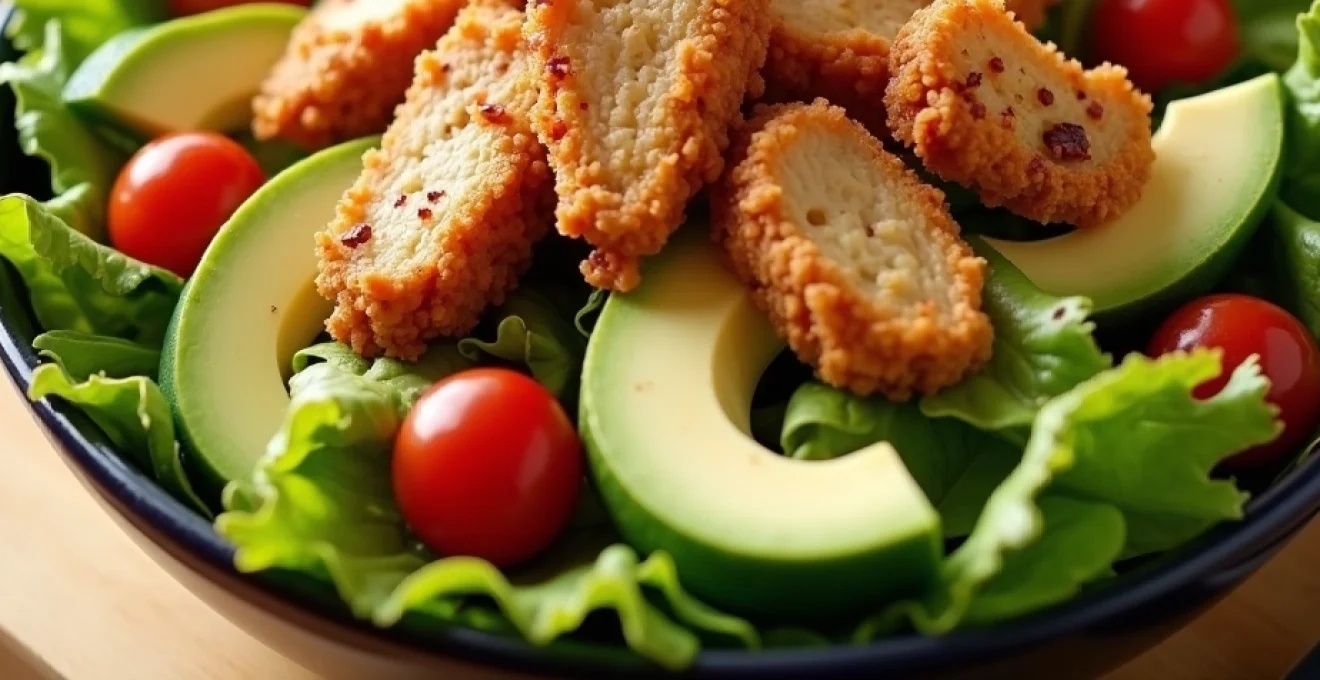
Fast-food salads have transformed from afterthought menu items to sophisticated nutritional options that rival many home-prepared meals. Wendy’s salad menu exemplifies this evolution, offering a diverse range of options that cater to various dietary preferences and nutritional requirements. Understanding the complex nutritional profile of these menu items becomes increasingly important as consumers seek healthier alternatives without sacrificing convenience or flavour.
The nutritional landscape of modern fast-food salads reflects broader dietary trends, incorporating everything from superfood ingredients to carefully balanced macronutrient profiles. Each component contributes to the overall nutritional value, from the base greens and protein sources to the dressings and toppings that can dramatically alter the meal’s health impact.
Macro and micronutrient composition analysis of wendy’s salad menu
The macronutrient distribution across Wendy’s salad offerings reveals significant variation depending on protein choices, dressing selections, and additional toppings. This analysis examines how different combinations affect the overall nutritional profile and helps consumers make informed decisions based on their specific dietary goals.
Protein content evaluation in apple pecan chicken salad
The Apple Pecan Chicken Salad stands out as a protein powerhouse, delivering an impressive 39 grams of complete protein per serving. This substantial protein content represents approximately 78% of the daily value for most adults, making it an excellent choice for those prioritising muscle maintenance or weight management goals. The grilled chicken breast provides all essential amino acids, supporting optimal protein synthesis and satiety.
What makes this salad particularly noteworthy is the protein quality rather than just quantity. The lean chicken breast undergoes a careful grilling process that maintains nutritional integrity while developing flavour. The protein content remains consistent across servings, with minimal variation in preparation methods affecting the final macronutrient profile.
Carbohydrate distribution patterns across southwest avocado chicken salad
The Southwest Avocado Chicken Salad presents an interesting carbohydrate profile, with 30 grams of total carbohydrates that include 5 grams of dietary fibre. This translates to 25 grams of net carbohydrates, making it suitable for various dietary approaches including moderate carbohydrate restriction. The carbohydrate sources primarily stem from fresh vegetables, corn, and beans, providing complex carbohydrates with sustained energy release.
The presence of avocado contributes healthy monounsaturated fats while adding minimal carbohydrates to the overall profile. This combination creates a balanced macronutrient distribution that supports stable blood glucose levels throughout the meal period. The natural sugar content remains relatively low at 21 grams, primarily derived from vegetables rather than added sweeteners.
Dietary fibre density measurements in garden side salad
Despite its simplicity, the Garden Side Salad provides meaningful fibre content through its diverse vegetable composition. The mixed greens, tomatoes, and cucumber contribute both soluble and insoluble fibre types, supporting digestive health and promoting satiety. The fibre density per calorie makes this option particularly valuable for those seeking to increase their daily fibre intake without significantly impacting their caloric budget.
The vegetable variety ensures a spectrum of phytonutrients alongside the fibre content. This combination supports gut microbiome diversity, which recent research suggests plays a crucial role in overall health outcomes. The preparation methods preserve the structural integrity of plant cell walls, maintaining optimal fibre functionality.
Saturated fat analysis in taco salad with chili
The Taco Salad presents the highest saturated fat content among Wendy’s salad offerings, primarily due to the cheese, sour cream, and meat components. With approximately 12 grams of saturated fat per serving, this option requires careful consideration within the context of daily dietary goals. The American Heart Association recommends limiting saturated fat intake to no more than 13 grams per day for a 2,000-calorie diet.
However, the saturated fat sources in this salad come primarily from dairy products and lean ground beef, which also provide valuable nutrients including calcium, vitamin B12, and iron. The key lies in portion control and balancing this meal with lower saturated fat options throughout the day. The overall nutritional package includes significant protein and various micronutrients that contribute to the meal’s value proposition.
Caloric density assessment and portion control metrics
Caloric density analysis reveals how different preparation methods, ingredient combinations, and portion sizes affect the overall energy content of Wendy’s salad options. Understanding these metrics helps consumers align their menu choices with specific caloric targets and weight management goals. The relationship between volume and calories varies significantly across the salad menu, with some options providing exceptional satiety per calorie consumed.
Energy value calculations for Full-Size vs Half-Size salad portions
The portion size options available for select salads demonstrate Wendy’s recognition of varying appetite and caloric needs. Full-size portions typically range from 420 to 720 calories, while half-size alternatives reduce this range to approximately 210 to 360 calories. This flexibility allows consumers to customise their meal size based on whether the salad serves as a light lunch, substantial dinner, or component of a larger meal plan.
Proportional scaling maintains the nutritional ratios across different portion sizes, ensuring that half-size options provide approximately 50% of the full-size nutritional content. This consistency helps with meal planning accuracy and allows for precise caloric control when needed. The volume reduction strategy works particularly well for salads, where visual satisfaction remains high even with smaller portions due to the diverse textures and colours.
Caloric impact of premium dressing selections
Dressing choices dramatically influence the final caloric content of any salad, often adding 90 to 240 calories per packet. The Caesar dressing represents the highest caloric addition at 240 calories, while lighter options like the Pomegranate Vinaigrette contribute only 90 calories. These differences can effectively double the total meal calories, highlighting the importance of dressing selection in overall nutritional planning.
The dressing component often contains more calories than the entire salad base, making portion control and selection critical for achieving desired nutritional outcomes.
Premium dressings provide enhanced flavour profiles but require careful consideration within daily caloric budgets. Many consumers underestimate the caloric contribution of dressings, focusing primarily on the base salad ingredients. Understanding these additions helps create more accurate nutritional assessments and supports better portion awareness strategies.
Comparative energy analysis: caesar side salad vs power mediterranean chicken salad
The contrast between the Caesar Side Salad and Power Mediterranean Chicken Salad illustrates how protein additions and preparation methods affect energy density. The Caesar Side Salad delivers approximately 180 calories with minimal protein, while the Power Mediterranean Chicken Salad (half-size) provides 240 calories with substantial protein content. This 60-calorie difference yields significant nutritional returns in terms of satiety and metabolic support.
The energy efficiency analysis reveals that protein additions provide exceptional value in terms of satiation per calorie added. The Power Mediterranean option delivers nearly three times the protein content for only 33% more calories, demonstrating superior nutritional density . This comparison helps illustrate why protein-rich options often provide better value for weight management and metabolic health goals.
Metabolic load assessment of crispy chicken additions
Crispy chicken options significantly alter the metabolic impact compared to grilled alternatives, primarily through increased caloric density and altered macronutrient ratios. The breading and frying process adds approximately 150-200 calories per serving while introducing additional carbohydrates and saturated fats. This preparation method also affects the protein-to-calorie ratio, reducing the overall protein percentage of the meal.
The metabolic processing requirements differ substantially between grilled and crispy preparations. Fried options require more energy for digestion and may contribute to different satiety patterns due to the higher fat content. Understanding these differences helps consumers make informed choices based on their metabolic health goals and energy requirements throughout the day.
Sodium content evaluation and cardiovascular health implications
Sodium levels across Wendy’s salad menu range from 85 milligrams in basic garden salads to over 1,280 milligrams in complex preparations with multiple processed components. This wide variation reflects the cumulative effect of dressings, cheeses, processed meats, and seasoning blends used in different recipes. For individuals monitoring sodium intake due to hypertension or cardiovascular concerns, these differences represent critical decision-making factors.
The highest sodium contributors typically include processed cheese varieties, cured bacon, seasoned chicken preparations, and particularly the dressing selections. Caesar dressing alone can contribute over 400 milligrams of sodium per packet, while lighter vinaigrette options may contain less than 100 milligrams. The cumulative effect means that seemingly healthy salad choices can exceed 50% of the daily recommended sodium intake in a single meal.
Cardiovascular health implications extend beyond simple blood pressure considerations. Excessive sodium intake can affect fluid retention, kidney function, and overall cardiovascular workload. However, the context matters significantly—salads that provide substantial potassium from fresh vegetables can help offset some sodium effects through improved electrolyte balance . The Apple Pecan Chicken Salad, despite its 1,030 milligrams of sodium, also delivers 930 milligrams of potassium, creating a more favourable sodium-to-potassium ratio than many processed foods.
The relationship between sodium and potassium intake may be more important than absolute sodium numbers, as adequate potassium can help mitigate some negative effects of higher sodium consumption.
Strategic sodium management involves considering the entire daily intake pattern rather than focusing solely on individual meals. For those requiring strict sodium restriction, selecting base salads with minimal processed additions and using dressing packets sparingly can significantly reduce total intake while maintaining nutritional value and satisfaction. The modular nature of salad construction allows for precise control over this crucial dietary component.
Vitamin and mineral bioavailability in fresh produce components
The fresh produce components in Wendy’s salads provide substantial micronutrient content, though bioavailability varies significantly based on preparation methods, storage conditions, and food combinations within each meal. Understanding these factors helps optimise the nutritional value obtained from each salad selection and supports informed decision-making for those prioritising specific nutrient intake goals.
Vitamin A and Beta-Carotene concentrations in mixed greens
The mixed green components across Wendy’s salad menu provide exceptional vitamin A content, with the Apple Pecan Chicken Salad delivering 720 micrograms, representing 80% of the daily value. This impressive concentration stems primarily from the darker leafy greens, particularly the spring mix components including spinach and darker lettuce varieties. Beta-carotene, the plant-based precursor to vitamin A, maintains excellent stability during the preparation and storage processes used in commercial food service.
The bioavailability of vitamin A from these plant sources benefits significantly from the fat content present in most salad preparations. The healthy fats from avocado, nuts, and moderate amounts of dressing actually enhance carotenoid absorption by providing the lipid environment necessary for optimal uptake. This synergistic effect means that complete salads often provide superior vitamin A utilisation compared to plain vegetables consumed alone.
Folate and vitamin K content in romaine lettuce base
Romaine lettuce, featured prominently in the Caesar salad preparations, provides substantial folate and vitamin K content crucial for various metabolic processes. Folate supports DNA synthesis and red blood cell formation, while vitamin K plays essential roles in bone health and blood clotting mechanisms. The preparation methods used maintain most of the water-soluble vitamin content, though some loss occurs during washing and storage processes.
Vitamin K bioavailability from leafy greens reaches optimal levels when consumed with dietary fats, making the Caesar dressing addition beneficial for nutrient absorption despite its higher caloric content. The fat-soluble nature of vitamin K means that low-fat or fat-free dressing alternatives may actually reduce the nutritional value obtained from the vegetable components, creating an interesting balance between caloric control and nutrient optimisation.
Iron absorption rates from grilled chicken protein sources
The grilled chicken components provide heme iron, which demonstrates superior absorption rates compared to plant-based iron sources. This advantage becomes particularly significant for individuals with higher iron requirements or those at risk of iron deficiency. The chicken preparation methods preserve iron content while creating favourable conditions for absorption through proper protein denaturation and minimal processing.
The presence of vitamin C from tomatoes, peppers, and other vegetable components further enhances iron absorption from both heme and non-heme sources present in the salads. This nutritional synergy demonstrates how well-constructed salads can provide enhanced mineral bioavailability compared to individual food components consumed separately. The combination effect supports optimal iron status maintenance across diverse population groups.
Calcium bioavailability in cheese and dairy components
Cheese components across various salad options contribute significant calcium content, with some preparations providing up to 300 milligrams per serving. The bioavailability of calcium from dairy sources generally exceeds that from plant sources, though the presence of certain compounds in vegetables can affect absorption rates. The aged cheese varieties used in some preparations may offer enhanced calcium density due to moisture reduction during the aging process.
The protein content in these salads supports calcium absorption through amino acid interactions that facilitate mineral uptake. However, excessive sodium content can potentially increase calcium excretion, creating a complex balance between intake and retention. Understanding these interactions helps consumers maximise the calcium utilisation from their meal choices while managing other nutritional considerations.
Additive and preservative analysis in dressing formulations
The dressing formulations across Wendy’s salad menu contain various additives and preservatives necessary for food safety, shelf stability, and texture maintenance. Caesar dressing includes stabilisers such as xanthan gum and guar gum, which provide the characteristic creamy texture while maintaining emulsion stability. Potassium sorbate serves as a preservative, extending shelf life while maintaining food safety standards required in commercial food service operations.
Emulsifiers play crucial roles in dressing functionality, allowing oil and water-based components to blend smoothly and remain stable during storage and transportation. Modified potato starch serves dual purposes as a thickening agent and stabiliser, contributing to the desired mouthfeel without significantly impacting nutritional content. These technical ingredients undergo rigorous safety testing and approval processes before inclusion in commercial food products.
The preservative systems used must balance effectiveness against consumer preferences for minimal processing. Natural alternatives like lemon juice concentrate provide both flavour enhancement and mild preservative effects, while synthetic preservatives offer more robust protection against spoilage and foodborne illness risks. Understanding these formulation strategies helps consumers make informed choices based on their personal preferences regarding food processing levels.
Modern food safety requirements necessitate preservative use in commercial dressing formulations, but the selection and concentration of these additives reflect careful balance between safety, quality, and consumer acceptance.
Ingredient transparency initiatives have led to clearer labelling of additives and preservatives, allowing consumers to make informed decisions based on their dietary preferences and restrictions. Some individuals may experience sensitivities to specific additives, making detailed ingredient information essential for safe consumption. The regulatory oversight of these ingredients ensures safety standards while providing manufacturers flexibility in formulation approaches.
Allergen identification and Cross-Contamination risk assessment
Allergen management represents a critical safety consideration across Wendy’s salad menu, with common allergens including eggs, milk, wheat, soy, and various nuts appearing in multiple menu items. The Caesar salad preparations contain eggs through both the dressing formulation and potential cross-contact during preparation processes. Milk allergens appear in cheese components, dressing formulations, and seasoning blends used on grilled chicken preparations.
Cross-contamination risks arise through shared preparation surfaces, cutting boards, and cooking equipment used across different menu items. The grilled chicken components undergo preparation on shared surfaces that may contact wheat, soy, and milk allergens from other menu items. This reality of commercial food preparation means that individuals with severe allergies must consider not just direct ingredients but also potential cross-contact scenarios.
The complexity of allergen management increases with menu items containing multiple components prepared in different
areas. Understanding this operational reality helps individuals with food allergies make informed decisions about menu selections and communicate their needs effectively to restaurant staff.
The documentation provided with each menu item includes comprehensive allergen listings, though the disclaimer regarding cross-contact reflects the practical limitations of commercial food preparation. Risk assessment strategies must consider both direct ingredient exposure and potential cross-contamination scenarios, particularly for individuals with life-threatening allergies who require absolute avoidance of specific allergens.
Seasonal menu variations and supplier changes can affect allergen profiles over time, making it essential for sensitive individuals to verify current ingredient information rather than relying on historical data. The dynamic nature of food service operations means that allergen management requires ongoing attention and communication between consumers and food service providers to maintain safety standards.
Training protocols for food service staff emphasize proper handling procedures to minimize cross-contamination risks, though complete elimination remains challenging in high-volume commercial environments. The shared equipment reality necessitates clear communication about allergy severity levels to ensure appropriate precautions during food preparation and service processes.
Effective allergen management in commercial food service requires collaboration between informed consumers, trained staff, and comprehensive documentation systems to minimize exposure risks while maintaining operational efficiency.
Prevention strategies extend beyond ingredient avoidance to include proper cleaning protocols, dedicated preparation areas where feasible, and clear communication channels between customers and kitchen staff. The complexity of modern food preparation means that even seemingly simple items like salads can involve multiple allergen exposure points throughout the preparation process.
Regulatory compliance ensures that allergen information remains current and accurate, though individual sensitivity levels vary significantly among affected populations. Some individuals may tolerate minimal cross-contact exposure, while others require absolute avoidance, making personalized risk assessment essential for safe dining experiences. The individual responsibility component requires consumers to communicate their specific needs clearly and make informed decisions based on their tolerance levels and the available information.