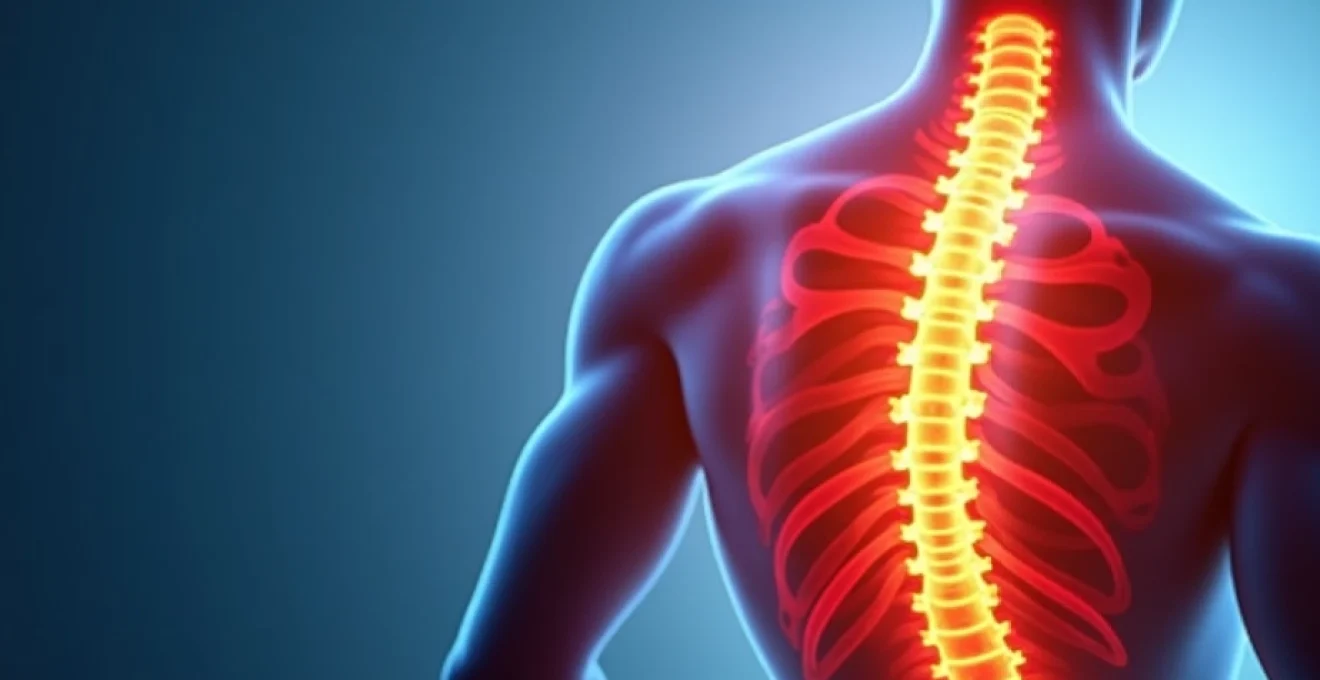
Right upper back pain that occurs specifically after eating presents a complex diagnostic challenge that extends far beyond simple musculoskeletal issues. This postprandial pain phenomenon affects millions of people worldwide and often signals underlying pathological processes involving the digestive system, biliary tract, or related anatomical structures. The timing of pain onset following meals provides crucial diagnostic clues, as various organs respond differently to food intake through distinct physiological mechanisms.
Understanding the intricate relationship between digestive processes and referred pain patterns becomes essential for accurate diagnosis and effective treatment. The upper right quadrant of the back serves as a common referral site for visceral pain originating from multiple abdominal organs, making differential diagnosis particularly challenging. Medical professionals must consider the complex interplay between anatomical proximity, neural pathways, and physiological responses to identify the underlying cause of postprandial upper back discomfort.
Gallbladder-related postprandial upper back pain mechanisms
The gallbladder represents one of the most common sources of right upper back pain following meal consumption. This small, pear-shaped organ plays a crucial role in fat digestion by storing and concentrating bile produced by the liver. When food enters the duodenum, particularly fatty meals, the gallbladder contracts to release bile through the cystic and common bile ducts. However, various pathological conditions can transform this normal physiological process into a source of significant pain that radiates to the upper back.
Cholecystokinin-induced gallbladder contraction and referred pain pathways
The hormone cholecystokinin (CCK) triggers gallbladder contraction within 15-30 minutes after eating, particularly in response to dietary fats and proteins. This hormonal cascade initiates a powerful muscular contraction that can generate intense pain when gallstones or inflammation are present. The pain signals travel through sympathetic nerve fibres that share common pathways with somatic nerves innervating the right shoulder blade and upper back region.
Visceral pain referral occurs because the gallbladder and the skin overlying the right subscapular region share similar embryological origins and neural pathways. The celiac plexus, which receives gallbladder pain signals, connects to spinal segments T6-T9, explaining why gallbladder pain frequently manifests as sharp, burning sensations between the shoulder blades. Research indicates that approximately 60-70% of patients with acute cholecystitis experience referred pain in the right upper back or shoulder region.
Acute cholecystitis symptom presentation following fatty meal consumption
Acute cholecystitis typically develops when gallstones obstruct the cystic duct, leading to gallbladder wall inflammation and distension. The consumption of fatty foods serves as a common trigger, with symptoms often appearing 1-3 hours after eating. The inflammatory process involves the release of numerous mediators, including prostaglandins and leukotrienes, which sensitise pain receptors and intensify the discomfort.
The characteristic pain pattern begins as a cramping sensation in the right upper abdomen before radiating to the back, specifically targeting the area beneath the right shoulder blade. This pain often reaches peak intensity within 2-4 hours and may persist for 6-8 hours if left untreated. Murphy’s sign , characterised by inspiratory arrest during palpation of the right upper quadrant, provides a valuable diagnostic indicator for acute cholecystitis.
Biliary colic pain radiation patterns to right subscapular region
Biliary colic represents a distinct pain syndrome caused by temporary obstruction of the cystic duct by gallstones during gallbladder contraction. Unlike acute cholecystitis, biliary colic episodes are typically shorter but intensely painful, lasting 30 minutes to several hours. The pain follows predictable radiation patterns, beginning in the epigastric region before moving to the right upper quadrant and subsequently radiating to the back.
The referred pain mechanism in biliary colic involves convergence of visceral and somatic nerve fibres at the dorsal horn of the spinal cord, creating the perception of pain in areas distant from the actual source of nociception.
Statistical data reveals that approximately 80% of biliary colic episodes occur within 2-4 hours after consuming fatty meals, with the pain typically described as severe, constant, and associated with nausea and vomiting. The postprandial timing provides a crucial diagnostic clue, as the correlation between meal consumption and symptom onset strongly suggests gallbladder involvement.
Choledocholithiasis-associated postprandial pain manifestations
Choledocholithiasis, the presence of stones within the common bile duct, creates a more complex pain pattern that combines biliary obstruction with potential pancreatic involvement. The postprandial pain associated with this condition often presents as a deep, gnawing discomfort in the right upper back that may radiate across to the left side. The obstruction of bile flow leads to increased ductal pressure and subsequent pain signal transmission through the hepatic plexus.
The pain characteristics differ from simple gallbladder pathology, often presenting as a more persistent, dull ache rather than the sharp, cramping pain of biliary colic. Patients may report that the discomfort worsens progressively after meals, particularly those high in fat content, and may be accompanied by jaundice, dark urine, and pale stools when complete obstruction occurs.
Gastroesophageal reflux disease and upper thoracic pain correlation
Gastroesophageal reflux disease (GERD) represents another significant cause of postprandial upper back pain, though the relationship between acid reflux and back discomfort often goes unrecognised. The lower oesophageal sphincter’s inability to maintain adequate pressure allows gastric contents to reflux into the oesophagus, triggering not only typical heartburn symptoms but also atypical manifestations including upper back pain. This pain typically develops 30-60 minutes after eating and may persist for several hours.
The anatomical relationship between the oesophagus and surrounding structures plays a crucial role in pain referral patterns. The oesophagus lies directly anterior to the vertebral column, sharing neural pathways with thoracic spinal nerves. When acid exposure causes oesophageal inflammation and spasm, the resulting pain signals can be perceived as originating from the thoracic spine region, particularly between the shoulder blades.
Lower esophageal sphincter dysfunction after large meal intake
Large meal consumption significantly impacts lower oesophageal sphincter (LOS) function through multiple mechanisms. Gastric distension following substantial food intake increases intragastric pressure, which can overwhelm the LOS’s ability to maintain adequate closure pressure. Additionally, certain foods contain compounds that directly relax the LOS, including chocolate, caffeine, alcohol, and high-fat foods.
The temporal relationship between meal size and symptom onset provides valuable diagnostic information. Postprandial LOS relaxation typically occurs within 15-45 minutes after eating, with symptoms potentially lasting 2-4 hours depending on meal composition and individual gastric emptying rates. Research demonstrates that meals exceeding 1000 calories significantly increase the likelihood of LOS dysfunction and subsequent reflux episodes.
Vagal nerve stimulation and dorsal pain referral mechanisms
The vagus nerve plays a central role in both digestive function and pain perception, creating complex interactions that can result in referred upper back pain. Vagal stimulation during digestion affects oesophageal motility, gastric acid production, and pancreatic enzyme secretion. However, when GERD is present, vagal nerve irritation from chronic acid exposure can create aberrant pain signals that manifest as thoracic discomfort.
The vagus nerve’s extensive distribution throughout the thoracic and abdominal cavities explains why GERD-related pain can present in seemingly unrelated anatomical locations. Vagal pain referral typically presents as a deep, aching sensation rather than sharp, localised pain, making diagnosis challenging without careful correlation of symptoms with meal timing and food triggers.
Hiatal Hernia-Induced postprandial thoracic discomfort
Hiatal hernias, present in approximately 15-20% of the adult population, can significantly contribute to postprandial upper back pain through mechanical and functional mechanisms. When portions of the stomach herniate through the diaphragmatic hiatus into the thoracic cavity, normal anatomical relationships become disrupted, leading to altered pressure dynamics and potential compression of surrounding structures.
Large meals exacerbate hiatal hernia symptoms by increasing gastric volume and potentially enlarging the herniated portion. This mechanical effect can create pressure on the lower oesophagus, mediastinal structures, and even the phrenic nerve, resulting in referred pain patterns that include the upper back. The pain typically develops within 30-60 minutes after eating and may be accompanied by shortness of breath, chest pressure, and early satiety.
Barrett’s esophagus complications and associated back pain symptoms
Barrett’s oesophagus, a serious complication of chronic GERD, represents a premalignant condition where normal squamous epithelium is replaced by intestinal-type columnar epithelium. While Barrett’s oesophagus itself may not directly cause pain, associated complications including strictures, ulceration, and dysplasia can result in significant postprandial discomfort that radiates to the upper back.
Patients with Barrett’s oesophagus often experience more severe and persistent symptoms compared to those with uncomplicated GERD, including atypical pain patterns that may manifest as upper thoracic or interscapular discomfort following meals.
The development of oesophageal strictures in Barrett’s patients can create mechanical obstruction, leading to food impaction and subsequent chest and back pain. This complication typically presents as sharp, localised pain that develops immediately after swallowing solid foods and may persist until the obstruction resolves. Early recognition of these symptoms is crucial for preventing serious complications and guiding appropriate treatment decisions.
Pancreatic pathology and postprandial Right-Sided back pain
Pancreatic disorders frequently manifest as postprandial upper back pain due to the organ’s retroperitoneal location and extensive neural connections. The pancreas lies deeply within the upper abdomen, directly adjacent to the posterior abdominal wall and in close proximity to major nerve plexuses. When pancreatic inflammation, obstruction, or other pathological processes occur, the resulting pain commonly radiates through the celiac and superior mesenteric plexuses to create referred pain in the upper back region, particularly on the right side when the pancreatic head is involved.
Acute pancreatitis represents the most dramatic manifestation of pancreatic pathology causing postprandial back pain. The condition typically develops 6-12 hours after consuming a large, fatty meal or alcohol, with pain intensity often described as excruciating and constant. The retroperitoneal inflammation creates pressure on surrounding structures and irritates sensory nerve fibres that share pathways with somatic nerves innervating the thoracic spine. This pain characteristically improves when patients lean forward or assume a foetal position, providing a valuable diagnostic clue.
Chronic pancreatitis presents with a different pain pattern, often described as a persistent, gnawing discomfort that worsens significantly after meals. The ongoing inflammatory process leads to fibrosis and ductal strictures, creating mechanical obstruction and subsequent pressure increases during digestive enzyme secretion. Postprandial pain exacerbation in chronic pancreatitis typically begins within 30-60 minutes of eating and may persist for hours, significantly impacting quality of life and nutritional status.
Pancreatic ductal adenocarcinoma, while less common, can present with subtle postprandial back pain as an early symptom, particularly when tumours involve the pancreatic head or uncinate process. The insidious nature of this pain, combined with weight loss and new-onset diabetes, requires careful evaluation in patients over 50 years of age presenting with unexplained postprandial upper back discomfort. Early recognition of these warning signs is crucial for optimal patient outcomes and treatment planning.
Hepatic conditions causing Post-Meal upper back discomfort
Liver-related pathology can generate postprandial upper back pain through several mechanisms involving hepatic congestion, capsular distension, and referred pain pathways. The liver’s substantial metabolic role in processing nutrients absorbed from the digestive tract means that various hepatic conditions may become symptomatic specifically after eating. Hepatic congestion from congestive heart failure, for example, can worsen after meals due to increased venous return and splanchnic blood flow, creating capsular distension and subsequent pain that radiates to the right shoulder and upper back.
Acute hepatitis, whether viral, toxic, or autoimmune in origin, commonly presents with postprandial upper quadrant pain that may radiate posteriorly. The inflammatory process leads to hepatomegaly and capsular stretching, particularly problematic after meals when hepatic blood flow increases substantially. Patients often report that the pain worsens within 1-2 hours after eating, especially after consuming fatty foods that require extensive hepatic processing for bile acid synthesis and fat metabolism.
Hepatic steatosis and non-alcoholic fatty liver disease (NAFLD) represent increasingly common causes of postprandial abdominal and back discomfort. The fatty infiltration of hepatocytes impairs normal metabolic function and can create hepatomegaly with associated capsular tension. After meals, particularly those high in carbohydrates or fats, the metabolic demands placed on the compromised liver can exacerbate symptoms and create referred pain patterns extending to the right upper back and shoulder region.
Hepatic abscess formation, while relatively uncommon, can present with severe postprandial pain due to the space-occupying lesion effect and associated inflammatory response. The pain typically intensifies after eating due to increased hepatic blood flow and metabolic activity around the abscess cavity. This condition requires urgent medical attention, as complications including abscess rupture can be life-threatening. Recognition of associated symptoms including fever, night sweats, and weight loss is crucial for prompt diagnosis and treatment.
Musculoskeletal postprandial pain syndromes and thoracic spine disorders
While visceral causes dominate the differential diagnosis for postprandial upper back pain, musculoskeletal conditions can also contribute to or exacerbate symptoms in relation to eating patterns. Poor postural habits during meals, including slouching over tables or hunching forward while eating, can create acute strain on thoracic spine structures and surrounding musculature. The sustained forward head posture and rounded shoulder position commonly adopted during eating places excessive stress on the cervicothoracic junction and upper thoracic segments, potentially triggering pain that persists after the meal concludes.
Thoracic outlet syndrome presents a unique relationship with postprandial symptoms due to the anatomical proximity of neurovascular structures to the digestive tract. The anterior scalene muscle, which forms part of the thoracic outlet, can become hypertrophic or spastic in response to chronic postural stress. When patients maintain forward head posture during meals, particularly while consuming hot foods or beverages that require careful attention, the sustained muscle tension can compress the brachial plexus and subclavian vessels, creating referred pain patterns that mimic visceral pathology.
Costochondritis and Tietze syndrome represent inflammatory conditions affecting the costal cartilages that can be exacerbated by the deep breathing associated with eating, particularly when consuming aromatic foods or hot beverages. The inflammatory process affecting the costochondral junctions can create sharp, stabbing pain that worsens with chest wall movement during swallowing or deep inspiration. Postprandial exacerbation occurs because eating naturally increases respiratory depth and chest wall excursion, mechanically stressing the inflamed cartilaginous structures.
The temporal relationship between eating and musculoskeletal pain often reflects mechanical factors rather than metabolic processes, with symptoms typically appearing during or immediately after meals rather than following the delayed patterns seen with visceral pathology.
Thoracic facet joint dysfunction can contribute to postprandial upper back pain through referred pain mechanisms and postural factors. When patients adopt sustained forward postures during lengthy meals or while eating at inappropriately sized furniture, the thoracic facet joints experience abnormal loading patterns that can trigger acute pain episodes. The pain typically presents as a deep, aching sensation localised to the thoracic spine with potential radiation around the chest wall following intercostal nerve distributions. Understanding these mechanical relationships becomes essential for developing comprehensive treatment strategies that address both
postural and mechanical factors alongside underlying pathological conditions.
Fibromyalgia and myofascial pain syndrome can exhibit postprandial symptom exacerbation due to the complex interplay between stress, posture, and central pain processing. The act of eating, particularly in social settings or when time-pressured, can increase overall stress levels and muscle tension in susceptible individuals. The upper trapezius, rhomboids, and middle scalene muscles commonly develop trigger points that refer pain to the interscapular region, creating symptoms that appear temporally related to meals but actually reflect underlying musculoskeletal dysfunction.
Vertebral compression fractures, particularly common in elderly patients with osteoporosis, may become symptomatic during eating activities that require sustained positioning or when consuming foods that trigger coughing or sneezing responses. The mechanical stress placed on compromised vertebral bodies during these activities can exacerbate existing micro-fractures and create acute pain episodes. Postprandial vertebral pain in this context typically reflects mechanical vulnerability rather than digestive pathology, requiring careful imaging evaluation and appropriate spinal stabilisation strategies.
Intervertebral disc degeneration affecting the thoracic spine can contribute to postprandial upper back pain through biomechanical mechanisms and inflammatory processes. The sustained flexed postures commonly adopted during meals can increase intradiscal pressure and stress degenerated disc structures, particularly at the thoracolumbar junction. When combined with the increased metabolic demands and inflammatory mediator release associated with digestion, these mechanical factors can create a perfect storm for acute pain episodes that appear directly related to eating patterns.
Recognition of the multifactorial nature of postprandial upper back pain requires comprehensive evaluation that considers both visceral and somatic contributions, as successful treatment often depends on addressing multiple underlying mechanisms simultaneously.
The diagnostic challenge in differentiating between visceral and musculoskeletal causes of postprandial upper back pain requires careful attention to symptom patterns, physical examination findings, and response to positional changes. While visceral pain typically demonstrates consistent patterns regardless of movement or position, musculoskeletal pain often varies significantly with postural changes, mechanical stress, and specific movement patterns. Understanding these distinctions becomes crucial for developing targeted treatment approaches that address the underlying pathophysiology rather than merely managing symptoms. Healthcare providers must maintain a high index of suspicion for serious underlying conditions while recognising that multiple factors may contribute to the complex presentation of postprandial upper back pain.