
Last month, Hannah from Manchester emailed me after a confusing cross-border order. She’d bought aromatherapy oils from what looked like a legitimate “pharmacy” – professional website, trust badges everywhere, secure checkout. Three weeks later? Still fighting for a refund after the company refused her return because she’d unsealed the product. According to MHRA‘s FakeMeds guidance, 44% of UK adults aged 18-30 have bought medicine or medical products online, creating serious risks when sites aren’t properly regulated.
Here’s the thing about buying natural care products online in 2026: the polished scammers look exactly like the legitimate sellers. Same badges. Same promises. Sometimes even better websites.
Your trust check in 10 bullets (60 seconds)
- Check the GPhC register for UK pharmacies (takes 30 seconds)
- Look for real company details, not just a contact form
- Verify batch numbers and expiry dates are visible on product pages
- Read the returns policy before buying (especially for sealed items)
- Ignore unverifiable “trust badges” – they mean nothing
- Test customer service response time before ordering
- Check delivery costs and customs liability upfront
- Look for secure payment with buyer protection
- Verify data protection compliance (ICO registration for UK)
- Natural doesn’t mean safe – check contraindications
The difference between a legitimate site and a sophisticated fake? About ten specific checks that take two minutes total. Not the obvious stuff everyone tells you (“look for https” – every scam site has that now). The real signals that matter.
I’ve reviewed about 40 health and natural-care storefronts between 2023 and 2025, mostly for UK buyers ordering cross-border. The pattern is always the same: people trust what looks professional, then discover too late that professional-looking doesn’t mean legitimate.
What “trust signals” really mean when you buy natural care online
Let me tell you what happened to a reader who contacted me last year. She found a site claiming to be a “European pharmacy” with every trust badge imaginable – SSL certificates, payment icons, even what looked like regulatory seals. The prices were reasonable (not suspiciously cheap), the product descriptions detailed, the checkout smooth.
Six weeks later, she was still waiting for her order of essential oils and supplements. The tracking number led nowhere. The customer service email bounced. The phone number? A generic voicemail.

The classic trap is thinking a trust badge means something just because it exists. In my day-to-day checks, I keep seeing the same mistake: people assume that if a site displays a “Verified Pharmacy” logo or “100% Natural” certification, someone official must have checked it. They haven’t.
Case study: The Manchester aromatherapy incident
I helped Hannah sort through her cross-border order last autumn. She’d ordered from a site claiming to be a pharmacy, complete with what looked like official badges. The site had no clear company identity, no returns exceptions listed for sealed items. When she tried to return an unopened essential oil blend that caused a reaction, they refused – citing a policy that wasn’t visible anywhere during checkout. She eventually got her money back through her card dispute process, but lost the outbound shipping fee and spent seven weeks on the issue.
Real trust signals are verifiable. A legitimate pharmacy registration number can be verified through GPhC‘s pharmacy register, which contains 13,268 registered pharmacies as of March 2026. A genuine company has a physical address you can verify, a phone number that someone answers, a returns policy written in clear English before you buy.
There’s another distinction people miss: pharmacy versus parapharmacy. A regulated pharmacy can dispense prescription medicines and has professional oversight. A parapharmacy sells over-the-counter wellness products, supplements, and cosmetics – still legitimate, but different rules apply. Many sites blur this line deliberately, using “pharmacy” in their name when they’re actually just retail.
My take (and you can disagree): if you can’t verify a trust signal independently within 30 seconds, treat it as decoration. Real accountability leaves a paper trail.
A 2-minute decision path to judge a serious online pharmacy
You’re looking at a site. The products seem good, the prices fair. Should you trust them with your card details and health information?
Instead of a generic checklist, I use a simple decision path based on your situation. It takes roughly two minutes and cuts through the marketing noise. The key is knowing which checks matter for your specific purchase – UK domestic versus cross-border orders need different verification.
Should you buy from this site? A 2-minute path
-
Buying prescription medicine?
Stop. Only use GPhC-registered UK pharmacies or follow MHRA guidance. Never buy prescription drugs from unverified international sites.
-
Buying supplements/cosmetics from a UK site?
Check: Company registration number visible? Real UK address (not just PO box)? Phone number that works? Clear returns policy? If yes to all → relatively safe. If any missing → higher risk.
-
Buying cross-border (especially EU/France)?
Additional checks: Who pays customs? What’s the real delivery window? Are returns accepted for sealed items? Is there English-speaking support? Without clear answers → expect friction.
-
Sensitive situation (pregnancy, allergies, medications)?
Don’t self-select online. Talk to a pharmacist or GP first, then order from a verified source they recommend. The savings aren’t worth the risk.
If you’re buying from the UK: the licence and regulator checks that matter
UK-based online pharmacies must display their GPhC registration number. Not “we’re regulated” or “fully licensed” – the actual number. You copy it, search the GPhC register, and verify it matches. Takes 30 seconds.
For non-pharmacy retailers (most supplement and natural care sites), you’re looking for different signals. Company registration at Companies House, ICO registration for data protection, clear business address. These aren’t guarantees of quality, but they create accountability. If something goes wrong, you know who to chase.
If you’re buying cross-border (EU/France): what changes (and what doesn’t)
Cross-border is where things get interesting. A serious online pharmacy shipping internationally will spell out exactly who handles customs, what documentation they provide, and typical processing times. They won’t hide behind vague promises of “fast international delivery.”
The friction points I see repeatedly: packages stuck in customs with no guidance, surprise duty charges on arrival, returns refused because of “hygiene regulations” never mentioned at checkout. A legitimate international seller addresses these upfront. They’ll tell you that orders dispatch within 24h, that mainland France gets delivery within 48h, that certain thresholds trigger free shipping (like £42 for Europe or £111 for duty-free USA shipping).
If you’re buying for a sensitive situation: when you should not self-select
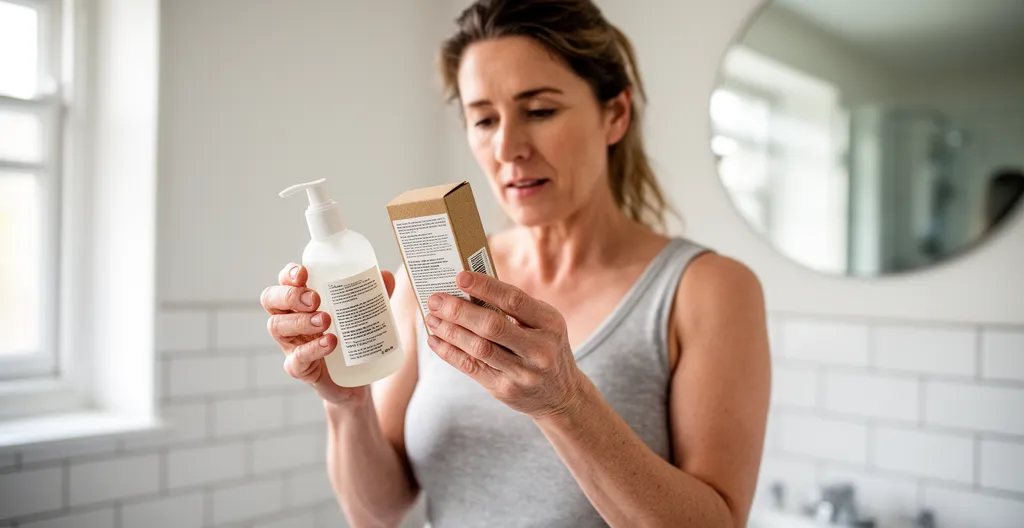
Honestly, if you’re pregnant, breastfeeding, on medication, or managing a chronic condition, the internet isn’t where you start. Even “natural” products interact with medications and conditions.
A responsible seller will have clear contraindication warnings and push you toward professional advice when appropriate. If a site is happy to sell you anything without any health questions or warnings, that’s not customer-friendly – it’s negligent.
The 10 trust signals I’d verify before I enter my card details
After reviewing dozens of sites and helping readers untangle problems, I’ve narrowed it down to ten non-negotiable checks. Not because ten is a magic number, but because these specific verifications catch about 90% of the problems before they happen.
The most common mistake I run into is people doing these checks after something goes wrong. By then, you’re already fighting for refunds, dealing with your bank, or worse – wondering what’s actually in the product you received.
Site identity, legal info and who is accountable
Start with the basics that scammers consistently skip. Real company name (not just a trading name), registration number you can verify, physical address that exists on Google Maps, working phone number.
Click through to their “About Us” or legal pages. Generic text about “commitment to quality” means nothing. You want specifics: who runs this company, how long they’ve operated, what qualifications their team has. A legitimate natural care retailer will often mention their pharmacists, aromatherapists, or advisory board.
The data protection details matter too. UK sites need ICO registration. EU sites should reference GDPR compliance with specifics, not just “we respect your privacy.” If they’re collecting health information (allergies, conditions), they need explicit legal basis.
Product pages: traceability, claims and what to ignore
Here’s where legitimate sellers separate themselves. Look for batch numbers, expiry dates, manufacturer details, country of origin. Not promised “on delivery” but visible on the product page before you buy.
The claims tell you everything about a seller’s ethics. If they’re promising that lavender oil cures anxiety or that their supplement replaces prescription medication, run. Legitimate sellers make supportable claims with appropriate disclaimers. They’ll mention traditional uses, not miracle cures.
Storage and handling information is often missing on dodgy sites. Real natural care products have specific requirements – some essential oils degrade in heat, some supplements need refrigeration. If there’s no mention of how products are stored and shipped, question their quality control.
The 10 signals I need to see before I trust a checkout
-
Company registration number that checks out (Companies House or equivalent)
-
Physical address and working phone (test it before ordering)
-
Batch numbers and expiry dates visible on product pages
-
Clear returns policy with sealed goods exceptions stated
-
Secure payment with strong customer authentication (3D Secure)
-
Data protection registration (ICO for UK, GDPR details for EU)
-
Customs and delivery costs transparent before checkout
-
Professional team details (pharmacists, advisors) when relevant
-
Realistic health claims with appropriate disclaimers
-
Customer service response within 24 hours (test with a question)
Delivery, returns and after-sales: the boring stuff that saves you
Nobody reads return policies until they need them. That’s exactly when you discover that “satisfaction guaranteed” meant nothing, or that sealed health products can’t be returned even if unopened.
When I test cross-border orders for verification (about a dozen UK-bound orders in 2024-2025), the delivery expectation gap isn’t actually the transport – it’s the 3-6 day silence where tracking goes dark. Legitimate sellers warn you about timing after activated charcoal use and similar specific interactions, but they also warn you about customs delays and tracking limitations.
A serious operation spells out: who pays return shipping, what happens with opened products, how refunds are processed, what documentation you need. They don’t make you discover these rules after a problem.
Natural care has extra pitfalls: ‘clean’ marketing, allergens, interactions
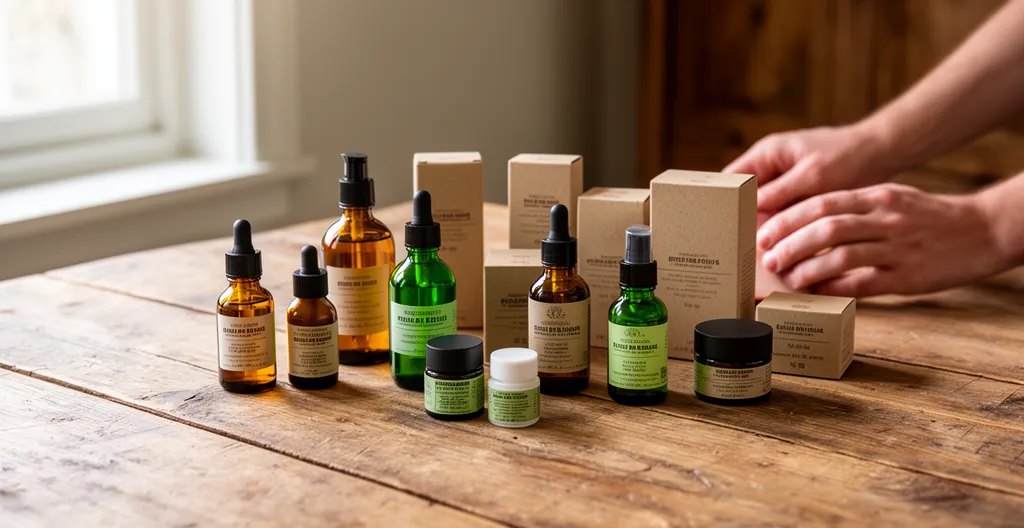
Let’s bust a myth: natural doesn’t mean harmless. Essential oils can burn skin, supplements can interact with medications, “clean” ingredients can trigger allergies. Data from Interpol‘s Operation Pangea XVI showed authorities seized 50.4 million doses of unapproved and counterfeit medicines worldwide in 2025, many marketed as “natural alternatives.”
The “clean beauty” and “natural wellness” movement created a new problem: sellers who imply their products are safer because they’re plant-based, then skip the safety warnings actual pharmacies would provide.
Affirmation: If it’s natural and sold without prescription, it must be safe for everyone
Reality: False. Peppermint oil can trigger seizures in young children. St. John’s Wort interferes with birth control and antidepressants. Tea tree oil causes hormone disruption in some cases. Even seemingly harmless ingredients have contraindications.
When I review natural care sites, I specifically look for interaction warnings. Does the lavender oil mention photosensitivity? Does the turmeric supplement warn about gallbladder conditions? Does the probiotic mention timing around antibiotics?
A responsible seller provides this information prominently, not buried in small print. They’ll have clear sections about pregnancy, breastfeeding, medication interactions. If you’re seeing only benefits and no risks, that’s not natural – that’s negligent.
There’s also the concentration issue. Professional-grade essential oils at 100% concentration aren’t the same as diluted products. Therapeutic-grade supplements aren’t the same as food-grade. Sites that don’t explain these differences are either ignorant or deliberately vague.
Don’t get distracted by “clean” labels and green packaging. Look for actual safety information: contraindications, age restrictions, dilution guidelines, interaction warnings. Consider checking resources about side effects of sodium starch glycolate and similar “inactive” ingredients that aren’t always harmless.
The questions people ask right before they order
Right before clicking “buy,” the doubts creep in. I get these same questions repeatedly from readers, usually when they’re staring at a checkout page wondering if they’re about to make an expensive mistake.

The doubts you’ll have five minutes before ordering
What if the site looks perfect but something feels off?
Trust your instinct. Test them first with a question via their contact form – ask about a specific ingredient or delivery detail. Legitimate businesses respond within 24-48 hours with helpful, specific answers. Scammers send generic responses or don’t reply at all.
How do I know if I’ll get hit with customs charges?
Legitimate international sellers state this clearly before checkout. They’ll specify the duty threshold (often around £135 for the UK), who’s responsible for fees, and whether they offer duty-paid shipping options. If this information is missing or vague, assume you’ll pay extra on delivery.
Can I trust customer reviews on the site itself?
Site reviews are useful for spotting patterns but easy to fake. Look for reviews with specific details about shipping times, packaging, customer service responses. Cross-reference with independent review platforms. Extreme ratings (all 5-star or all 1-star) are red flags.
What if I react badly to a natural product?
Check the returns policy specifically for opened/used items before buying. Many sites exclude health and beauty products from returns once opened, even if you have an adverse reaction. Know your rights: distance selling regulations have exceptions for sealed hygiene goods. Always patch test first and keep your receipt.
Is buying from France/EU actually legal post-Brexit?
Yes, but with restrictions. Supplements and cosmetics are generally fine. Prescription medicines are not (you need UK prescriptions filled by UK pharmacies). Some herbal products have different regulations. When in doubt, check current MHRA guidance – rules have changed several times since 2020.
What this guide can’t do (and what to do instead)
This article cannot confirm whether a specific website is legal in your country; always verify via official registers and regulator guidance. Rules differ by product category (medicine, supplement, cosmetic) and can change; check the latest official guidance before ordering. This does not replace personalised advice about suitability, interactions, allergies, pregnancy, or chronic conditions.
Risks: Receiving non-authorised or counterfeit products when the seller is not properly registered. Inappropriate self-treatment or interactions if you rely on product claims instead of professional advice. Unexpected delivery restrictions or returns refusal for sealed hygiene/health items.
For any health concerns or specific medical questions, consult your GP, registered pharmacist, and the relevant regulator (e.g., MHRA / GPhC in the UK).
Your plan of action right now
Before you close this tab
-
Open the GPhC register in a new tab – bookmark it for future checks
-
If you have a specific site in mind, run the 10-point checklist now (takes 2 minutes)
-
For your next order: screenshot the returns policy and confirmation email immediately
Rather than remembering everything, focus on this: if you can’t verify it independently, it’s probably not real. Real pharmacies leave paper trails. Real companies have accountability. Real natural care sellers warn you about risks, not just benefits.
The next time you’re tempted by a too-good-to-be-true wellness site, ask yourself: can I find this company if something goes wrong? If the answer takes more than 30 seconds to verify, your money is probably better spent elsewhere.