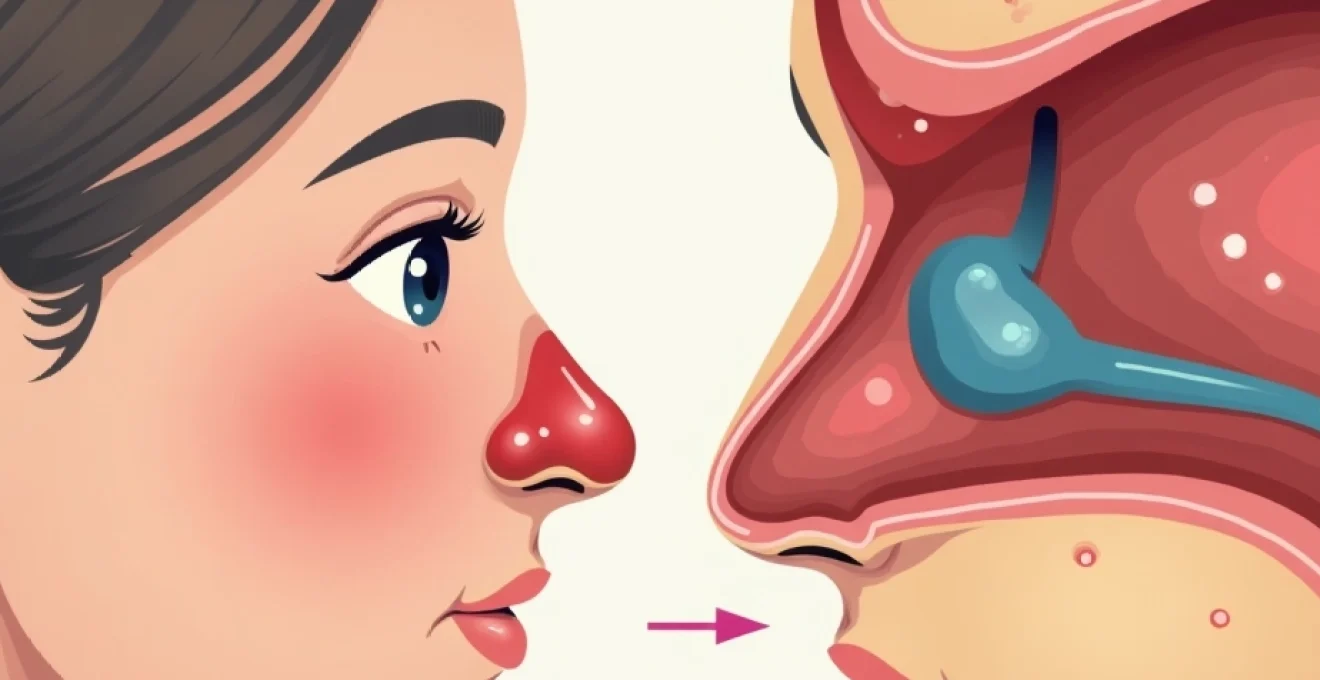
The human nose serves as more than just an organ for breathing and smelling—it functions as a sophisticated filtration system that produces various secretions to protect your respiratory tract. When you notice something unusual emerging from your nasal passages, it can range from completely normal physiological responses to indicators of serious underlying conditions. Understanding the difference between routine nasal discharge and pathological secretions is crucial for determining when medical intervention becomes necessary. The nasal cavity produces over a litre of mucus daily under normal circumstances, but changes in colour, consistency, odour, or volume can signal everything from simple viral infections to life-threatening conditions requiring immediate medical attention.
Common nasal discharge types and medical classifications
Medical professionals classify nasal discharge based on several key characteristics: colour, consistency, volume, odour, and associated symptoms. This systematic approach helps differentiate between benign conditions and those requiring urgent intervention. The appearance of nasal secretions provides valuable diagnostic clues that guide treatment decisions and help identify the underlying pathophysiological processes.
Mucoid secretions and normal physiological variations
Clear, thin mucoid discharge represents the baseline secretion from healthy nasal mucosa. This transparent fluid contains water, proteins, electrolytes, and antimicrobial substances that trap pathogens and particulates before they reach the lower respiratory tract. Normal mucus production increases during temperature changes, emotional stress, or exposure to irritants like strong perfumes or cleaning products.
Variations in clear mucus production often correlate with hormonal fluctuations, particularly during pregnancy when increased oestrogen levels stimulate mucus-producing goblet cells. Environmental factors such as humidity levels, air quality, and seasonal allergen exposure also influence the volume and consistency of physiological nasal secretions.
Purulent discharge indicating bacterial sinusitis
Thick, yellow-green purulent discharge typically signals bacterial infection within the paranasal sinuses. This pathognomonic finding results from neutrophil infiltration and bacterial metabolites that create the characteristic coloration and odour. The consistency becomes viscous due to high concentrations of white blood cells, dead bacterial cells, and inflammatory debris.
Purulent rhinorrhoea often accompanies facial pain, pressure sensations, and reduced olfactory function. The discharge may have a distinctly unpleasant smell, particularly when associated with anaerobic bacterial infections. Unilateral purulent discharge should raise suspicion for foreign body retention, dental pathology, or localised sinusitis requiring targeted antibiotic therapy.
Sanguineous nasal drainage and epistaxis presentations
Blood-tinged nasal discharge ranges from minor streaking to frank epistaxis, with causes spanning from benign mucosal irritation to serious vascular malformations. The rich vascular supply of Kiesselbach’s plexus in the anterior nasal septum makes this region particularly susceptible to bleeding from minor trauma, dry air exposure, or digital manipulation.
Recurrent epistaxis, particularly in elderly patients or those with hypertension, warrants investigation for underlying bleeding disorders or vascular abnormalities. Hereditary haemorrhagic telangiectasia presents with characteristic recurrent nosebleeds and requires specialised management. Fresh red blood indicates active bleeding, whilst darker, clotted material suggests older haemorrhage or slower bleeding rates.
Cerebrospinal fluid rhinorrhoea following trauma
Clear, watery discharge that tastes salty and increases with head positioning changes may indicate cerebrospinal fluid leak through skull base defects. This potentially life-threatening condition creates a direct communication between the sterile central nervous system and the contaminated nasal cavity, predisposing to ascending bacterial infections and meningitis.
Post-traumatic CSF rhinorrhoea occurs following skull base fractures, particularly those involving the cribriform plate or sphenoid sinus. The discharge often exhibits a characteristic “halo sign” when placed on filter paper, with CSF creating a clear ring around central blood components. Immediate neurosurgical consultation is mandatory when CSF leak is suspected.
Foreign Body-Related unilateral purulent discharge
Persistent unilateral foul-smelling purulent discharge, particularly in children, strongly suggests retained foreign material within the nasal cavity. Common objects include beads, small toys, food particles, or tissue paper that become impacted against the turbinates or within the middle meatus.
The inflammatory response to foreign bodies creates characteristic malodorous purulent secretions with tissue necrosis and secondary bacterial colonisation. Early removal prevents complications such as septal perforation, synechiae formation, or migration into the nasopharynx. Endoscopic examination under appropriate anaesthesia allows safe foreign body extraction whilst minimising mucosal trauma.
Pathological conditions causing abnormal nasal secretions
Various systemic and localised pathological processes can alter nasal secretions, producing distinctive patterns that aid differential diagnosis. Understanding these presentations helps distinguish between inflammatory, infectious, neoplastic, and autoimmune conditions affecting the sinonasal tract.
Chronic rhinosinusitis with nasal polyps
Chronic rhinosinusitis with polyposis produces thick, tenacious secretions that may appear clear, white, or slightly yellow. The underlying inflammatory process involves eosinophilic infiltration and increased mucin production, creating viscous discharge that patients often describe as difficult to expectorate.
Nasal polyps themselves can appear as grape-like structures protruding from the nose, sometimes mistaken for abnormal discharge by patients. The associated secretions often contain elevated levels of inflammatory mediators and may test positive for specific IgE antibodies.
Patients with aspirin-exacerbated respiratory disease frequently present with particularly thick, eosinophilic secretions alongside nasal polyposis and asthma symptoms.
Allergic fungal sinusitis and eosinophilic mucin
Allergic fungal sinusitis produces pathognomonic thick, inspissated secretions with a characteristic peanut butter-like consistency and dark brown coloration. This eosinophilic mucin contains fungal hyphae, Charcot-Leyden crystals, and numerous eosinophils that create the distinctive appearance under microscopic examination.
The condition typically affects immunocompetent individuals with atopic backgrounds who develop hypersensitivity reactions to environmental fungi. Common causative organisms include Aspergillus, Curvularia, and Bipolaris species. The thick secretions often form inspissated plugs within the sinuses, requiring surgical removal and long-term anti-inflammatory management.
Atrophic rhinitis and Ozaena-Related crusting
Atrophic rhinitis, particularly the severe form known as ozaena, produces characteristic thick, green-brown crusts with an intensely foul odour. The underlying pathophysiology involves progressive destruction of nasal turbinates and mucosa, leading to abnormal bacterial colonisation and crust formation.
The secretions in ozaena contain high concentrations of Klebsiella pneumoniae subspecies pneumoniae and produce volatile organic compounds responsible for the pathognomonic smell. Patients often experience anosmia, preventing them from detecting their own malodorous discharge. Regular saline irrigation and topical antimicrobial therapy help manage symptoms and reduce bacterial load.
Wegener’s granulomatosis nasal manifestations
Granulomatosis with polyangiitis (formerly Wegener’s granulomatosis) can produce bloody, purulent nasal discharge alongside progressive mucosal ulceration and cartilage destruction. The secretions often contain inflammatory debris and may have a characteristic serosanguinous appearance with tissue fragments.
Early nasal manifestations include persistent rhinorrhoea, epistaxis, and progressive nasal deformity. The discharge may contain granulomatous tissue and inflammatory cells characteristic of this systemic vasculitis. Prompt recognition and treatment with immunosuppressive therapy can prevent irreversible nasal deformity and systemic complications.
Infectious agents and microbiological presentations
Different microbial pathogens produce characteristic nasal discharge patterns that can guide empirical therapy whilst awaiting culture results. Understanding these microbiological signatures helps optimise treatment selection and predict clinical outcomes. The local immune response to specific pathogens creates distinct inflammatory patterns reflected in secretion characteristics.
Streptococcus pneumoniae and haemophilus influenzae infections
Streptococcus pneumoniae typically produces thick, yellow-green purulent discharge with high viscosity due to bacterial polysaccharide capsules and inflammatory cell infiltration. The secretions often have a distinctly sweet odour and may contain visible pus pockets when examined endoscopically.
Haemophilus influenzae infections generally create less viscous, yellow-tinged secretions with lower bacterial density than pneumococcal infections. Nontypeable H. influenzae strains commonly cause chronic sinusitis with persistent low-grade purulent discharge that responds variably to standard antibiotic regimens. Culture sensitivity testing helps guide targeted antimicrobial therapy for resistant strains.
Aspergillus fumigatus fungal ball formation
Aspergillus fumigatus fungal balls (aspergillomas) within paranasal sinuses produce characteristic thick, dark secretions containing fungal hyphae and inflammatory debris. The discharge often has a clay-like consistency and may contain visible fungal elements or dark particulate matter.
These saprophytic infections typically occur in immunocompetent individuals and remain localised to individual sinus compartments. The secretions may have a musty odour and contain calcium oxalate crystals formed through fungal metabolic processes. Complete surgical removal of fungal material is essential, as topical antifungal agents rarely penetrate the dense fungal mass effectively.
Rhinocerebral mucormycosis in diabetic patients
Mucormycosis produces rapidly progressive black, necrotic nasal discharge in susceptible patients, particularly those with poorly controlled diabetes mellitus or immunocompromise. The pathognomonic black eschar formation reflects rapid tissue necrosis and vascular invasion by these aggressive fungi.
Early recognition is crucial, as mucormycosis can progress rapidly to involve orbital and intracranial structures. The discharge may contain visible tissue fragments and has a distinctly foul odour. Emergency surgical débridement combined with systemic antifungal therapy offers the best chance for survival in this fulminant infection.
The mortality rate for rhinocerebral mucormycosis approaches 50% even with aggressive treatment, making early recognition and intervention absolutely critical.
Pseudomonas aeruginosa Biofilm-Associated discharge
Pseudomonas aeruginosa creates characteristic blue-green purulent discharge due to pyocyanin and pyoverdin pigment production. The secretions often have a sweet, grape-like odour and may exhibit fluorescence under Wood’s lamp examination.
Biofilm formation by P. aeruginosa makes these infections particularly challenging to eradicate, as the protective matrix shields bacteria from antimicrobial agents and host immune responses. The discharge often becomes increasingly viscous over time as biofilm maturation progresses. Combination therapy with biofilm-disrupting agents and targeted antibiotics provides optimal treatment outcomes.
Diagnostic imaging and laboratory investigation protocols
Systematic evaluation of unusual nasal discharge requires coordinated clinical, laboratory, and imaging approaches to identify underlying pathology accurately. Modern diagnostic techniques provide detailed anatomical and microbiological information that guides targeted therapeutic interventions. The diagnostic workup should progress logically from non-invasive screening tests to more specialized investigations based on clinical suspicion.
Initial laboratory evaluation includes complete blood count with differential, inflammatory markers (ESR, CRP), and specific immunological tests when autoimmune conditions are suspected. Nasal cytology can identify eosinophils, neutrophils, bacteria, and fungal elements that provide immediate diagnostic information. Flow cytometry of nasal secretions may reveal specific cell populations associated with allergic or inflammatory conditions.
High-resolution CT imaging of the paranasal sinuses provides detailed anatomical information about sinus involvement, bone erosion, and soft tissue changes. MRI offers superior soft tissue contrast and can differentiate between inflammatory tissue, retained secretions, and neoplastic processes. Gadolinium-enhanced sequences help identify areas of active inflammation and guide biopsy site selection when tissue diagnosis becomes necessary.
Microbiological culture remains the gold standard for identifying specific pathogens and determining antibiotic sensitivities. Anaerobic culture techniques may be necessary for odorous discharge, whilst specialised fungal media and extended incubation periods help identify slow-growing mycotic infections. Molecular diagnostic techniques, including PCR and next-generation sequencing, can identify fastidious organisms that fail to grow on conventional media.
Treatment algorithms and therapeutic interventions
Treatment strategies for abnormal nasal discharge must address both the underlying pathological process and symptomatic relief whilst preventing complications. The therapeutic approach varies significantly based on the identified aetiology, patient factors, and response to initial interventions. Modern treatment protocols emphasise targeted therapy based on specific diagnostic findings rather than empirical broad-spectrum approaches.
Conservative management forms the foundation of treatment for many conditions, incorporating nasal saline irrigation, topical corticosteroids, and environmental modifications. High-volume saline irrigation helps mechanical removal of inflammatory debris, allergens, and bacterial biofilms whilst promoting ciliary function recovery. Isotonic and hypertonic saline solutions offer different therapeutic benefits, with hypertonic formulations providing superior anti-inflammatory effects.
Antimicrobial therapy selection depends on culture results, local resistance patterns, and tissue penetration characteristics. Topical antibiotics may offer advantages over systemic therapy for localised infections, providing high tissue concentrations whilst minimising systemic side effects. However, bacterial resistance to topical agents remains a growing concern, particularly with aminoglycoside and quinolone preparations.
Surgical intervention becomes necessary when medical management fails or specific anatomical abnormalities require correction. Functional endoscopic sinus surgery (FESS) allows precise removal of diseased tissue whilst preserving normal anatomical structures and drainage pathways. Advanced techniques such as balloon sinuplasty offer minimally invasive options for selected patients with isolated sinus obstruction.
The success of any treatment protocol depends heavily on accurate initial diagnosis and patient compliance with prescribed therapies, particularly long-term topical medications that require consistent daily application.
Regular follow-up examinations allow treatment adjustment based on clinical response and help identify treatment failures requiring alternative approaches.
Emergency red flag symptoms requiring immediate evaluation
Certain presentations of abnormal nasal discharge mandate urgent medical evaluation due to potential life-threatening complications. Recognition of these warning signs enables appropriate triage and prevents catastrophic outcomes from delayed diagnosis. Healthcare providers must maintain high clinical suspicion for serious conditions, particularly in immunocompromised patients or those with relevant medical comorbidities.
Sudden onset of profuse clear watery discharge, particularly following head trauma or neurosurgical procedures, suggests cerebrospinal fluid leak requiring immediate neurosurgical consultation. The development of meningeal signs, fever, or altered mental status in patients with suspected CSF rhinorrhoea indicates possible ascending infection and necessitates emergency intervention with broad-spectrum antibiotics and surgical repair.
Rapidly progressive black nasal discharge with tissue necrosis, particularly in diabetic or immunocompromised patients, raises concern for invasive fungal infections such as mucormycosis. These aggressive infections require emergency surgical débridement and systemic antifungal therapy to prevent orbital and intracranial extension. Delay in treatment significantly increases morbidity and mortality rates.
Unilateral bloody discharge with progressive nasal obstruction, particularly in older patients, may indicate sinonasal malignancy requiring urgent otolaryngological evaluation. Associated symptoms such as diplopia, trismus, or facial numbness suggest advanced disease with possible skull base involvement. Early tissue diagnosis through endoscopic biopsy enables appropriate oncological referral and treatment planning.
Persistent foul-smelling discharge in children should prompt immediate examination for retained foreign bodies, as prolonged retention increases risks of aspiration, septal perforation, and local tissue damage. The combination of unilateral purulent discharge and behavioural changes may indicate foreign body migration or secondary complications requiring urgent removal under appropriate anaesthesia.