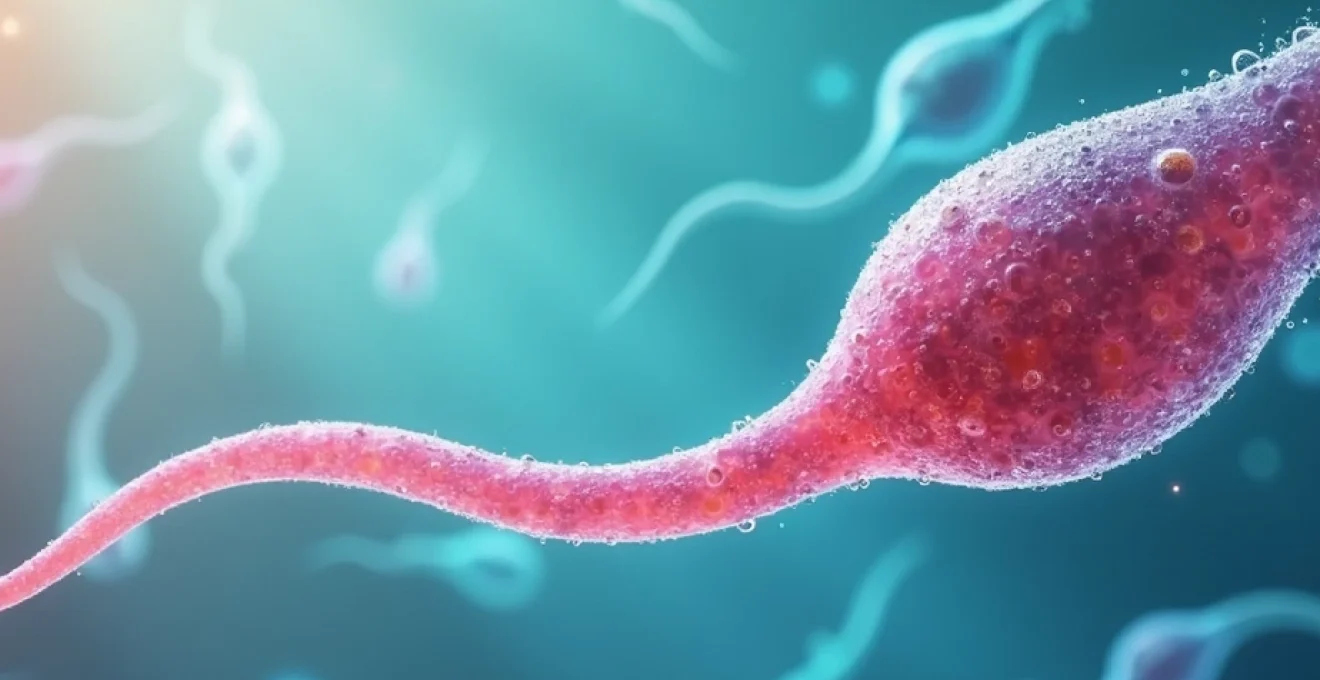
Understanding the normal characteristics of seminal fluid represents a crucial aspect of male reproductive health assessment. The colour of healthy sperm typically exhibits a distinctive opalescent white-grey appearance, though variations can occur due to numerous physiological and lifestyle factors. Medical professionals regularly evaluate sperm colour alongside other parameters during fertility assessments, as changes in pigmentation may indicate underlying health conditions requiring attention.
The composition of seminal fluid involves contributions from multiple anatomical structures, including the prostate gland, seminal vesicles, and bulbourethral glands. Each component influences the overall appearance, consistency, and colour of the ejaculate. While healthy sperm generally maintains consistent visual characteristics, temporary variations often occur naturally and rarely signify serious medical concerns.
Recent studies indicate that approximately 15% of couples worldwide experience fertility challenges, making understanding of normal sperm parameters increasingly important. Healthcare providers emphasise that colour assessment serves as just one component of comprehensive fertility evaluation, alongside factors such as sperm count, motility, and morphology.
Normal sperm colour characteristics and clinical parameters
Opalescent White-Grey appearance in healthy ejaculate
Healthy seminal fluid typically displays a characteristic opalescent white-grey colour, resembling the appearance of raw egg white or diluted milk. This distinctive hue results from the high concentration of proteins, enzymes, and cellular components suspended within the seminal plasma. The opacity derives primarily from the presence of spermatozoa and various prostatic secretions that contribute to the overall visual density.
Medical laboratories classify normal sperm colour within a specific range that accommodates natural variations among healthy individuals. The World Health Organization guidelines establish reference parameters for semen analysis, indicating that colours ranging from translucent white to light grey fall within normal limits. Factors such as individual genetics, age, and frequency of ejaculation can influence the exact shade while remaining within healthy parameters.
Ph levels and alkaline influence on seminal fluid coloration
The alkaline nature of healthy seminal fluid, typically maintaining a pH between 7.2 and 8.0, contributes significantly to its characteristic coloration. This alkalinity results from bicarbonate ions and other buffering compounds present in prostatic secretions, which help neutralise the acidic environment of the female reproductive tract. The alkaline pH influences protein structures and enzymatic reactions that affect the overall appearance of the ejaculate.
Variations in pH levels can subtly alter sperm colour, with more alkaline samples often appearing slightly whiter or more opaque. Laboratory technicians frequently assess pH alongside colour evaluation to provide comprehensive analysis of seminal fluid quality. Changes in alkalinity may indicate underlying conditions affecting the prostate or seminal vesicles, necessitating further medical investigation.
Prostatic fluid contribution to normal sperm pigmentation
Prostatic secretions account for approximately 25-30% of total seminal fluid volume and play a crucial role in determining normal sperm coloration. These secretions contain high concentrations of zinc, citric acid, and acid phosphatase, which contribute to the characteristic milky-white appearance of healthy ejaculate. The prostate gland produces enzymes that influence protein structures and create the opalescent quality typical of normal seminal fluid.
Age-related changes in prostatic function can gradually affect sperm colour over time, with older men sometimes experiencing slight variations in pigmentation. However, dramatic colour changes warrant medical evaluation to exclude prostatic inflammation or other pathological conditions. Prostatic health directly correlates with seminal fluid quality and overall reproductive function.
Seminal vesicle secretions impact on ejaculate hue
Seminal vesicles contribute approximately 65-70% of total ejaculate volume, making them the primary determinant of seminal fluid colour and consistency. These paired glands produce fructose-rich secretions that nourish spermatozoa and create the gel-like consistency characteristic of fresh ejaculate. The high protein content of seminal vesicle secretions contributes significantly to the white-grey coloration of healthy sperm.
Inflammatory conditions affecting the seminal vesicles, known as seminal vesiculitis, can alter the normal colour and consistency of ejaculate. Such conditions may result in yellowish or brownish discoloration, often accompanied by other symptoms including pelvic pain or changes in ejaculate volume. Regular monitoring of seminal fluid characteristics helps identify potential vesicular dysfunction requiring medical intervention.
Pathological colour variations and associated medical conditions
Haematospermia: red and brown discolouration causes
Haematospermia, characterised by the presence of blood in seminal fluid, manifests as red, pink, or brown discoloration depending on the duration since bleeding occurred. Fresh blood typically produces bright red coloration, while older blood oxidises to create brownish or rust-coloured appearances. This condition affects approximately 1-2% of men during their reproductive years and may indicate various underlying pathologies.
Common causes of haematospermia include prostatitis, benign prostatic hyperplasia, prostate biopsy complications, and occasionally more serious conditions such as prostate cancer. Trauma from vigorous sexual activity or masturbation can also result in temporary blood presence in ejaculate. While often benign, persistent haematospermia requires thorough urological evaluation to exclude malignant conditions.
Medical studies demonstrate that over 90% of haematospermia cases resolve spontaneously within several weeks, particularly in men under 40 years of age.
Yellow sperm coloration: jaundice and urinary tract infections
Yellow discoloration of seminal fluid can result from various medical conditions, ranging from benign causes such as dietary factors to more serious systemic illnesses. Urinary tract infections frequently cause yellowish ejaculate due to increased white blood cell presence and bacterial byproducts mixing with seminal fluid. Prostatitis, characterised by inflammation of the prostate gland, commonly produces yellow or greenish-yellow discoloration.
Systemic conditions such as jaundice can also affect sperm colour through elevated bilirubin levels entering seminal secretions. Men experiencing persistent yellow discoloration should undergo comprehensive evaluation to identify potential infectious or inflammatory causes. Laboratory analysis typically includes urine cultures, prostatic secretion examination, and complete blood chemistry panels to determine underlying pathology.
Green ejaculate: bacterial prostatitis and gonorrhoea indicators
Green discoloration of seminal fluid typically indicates significant bacterial infection, most commonly involving the prostate gland or associated reproductive structures. Bacterial prostatitis frequently produces greenish ejaculate due to elevated levels of neutrophils and bacterial enzymes present in prostatic secretions. This colour change often accompanies other symptoms including pelvic pain, urinary frequency, and fever.
Sexually transmitted infections, particularly gonorrhoea caused by Neisseria gonorrhoeae, can result in green or yellow-green seminal fluid coloration. These infections require prompt antibiotic treatment to prevent complications such as epididymitis or long-term fertility impairment. Green sperm coloration always warrants immediate medical attention and comprehensive sexually transmitted infection screening.
Clear or translucent semen: oligospermia and azoospermia correlations
Clear or highly translucent seminal fluid often indicates reduced sperm concentration, a condition known as oligospermia, or complete absence of spermatozoa, termed azoospermia. The normal milky-white appearance of ejaculate derives largely from suspended sperm cells, so decreased sperm counts result in increasingly transparent fluid. This visual change frequently serves as an early indicator of male fertility issues requiring professional evaluation.
Frequent ejaculation can temporarily produce clearer seminal fluid as sperm reserves become depleted faster than they can be replenished. However, persistent transparency despite adequate abstinence periods suggests underlying fertility problems that may benefit from assisted reproductive technologies or hormonal interventions. Comprehensive semen analysis provides definitive assessment of sperm concentration and quality beyond visual inspection alone.
Laboratory analysis methods for sperm colour assessment
Modern laboratory techniques for evaluating sperm colour involve standardised visual assessment protocols combined with microscopic examination and biochemical analysis. Trained laboratory technicians assess freshly collected samples under controlled lighting conditions to ensure accurate colour determination. The assessment occurs within one hour of collection to prevent oxidation or other changes that might alter the natural appearance of the specimen.
Digital imaging systems increasingly supplement visual assessment, providing objective colour measurement using spectrophotometric analysis. These advanced techniques eliminate subjective interpretation variations and create permanent records for longitudinal comparison. Standardised colour charts help ensure consistency across different laboratory facilities and healthcare providers.
Quality control measures include regular calibration of assessment equipment and participation in external proficiency testing programmes. Laboratory accreditation bodies require documentation of colour assessment procedures and ongoing staff training to maintain diagnostic accuracy. The integration of colour assessment with other semen parameters provides comprehensive evaluation of male reproductive health status.
Recent technological advances enable automated semen analysis systems to incorporate colour assessment alongside traditional parameters such as concentration, motility, and morphology.
Lifestyle factors affecting seminal fluid pigmentation
Dietary choices significantly influence seminal fluid coloration through various nutritional and metabolic pathways. Foods high in artificial colouring, particularly those containing yellow or orange dyes, can temporarily alter ejaculate colour for several days following consumption. Natural pigments from foods such as beetroot, carrots, or foods rich in carotenoids may also subtly influence seminal fluid appearance.
Hydration status directly affects seminal fluid concentration and consequently its visual opacity. Dehydration tends to produce more concentrated, darker-appearing ejaculate, while adequate hydration maintains normal colour characteristics. Alcohol consumption can temporarily alter sperm production and seminal fluid composition, sometimes resulting in subtle colour changes that resolve with abstinence.
Smoking tobacco products introduces numerous toxins that can affect reproductive tissue health and potentially influence seminal fluid characteristics. Chronic smokers often exhibit subtle changes in ejaculate colour due to oxidative stress and vascular compromise affecting reproductive organs. Medication use, particularly antibiotics or supplements containing high doses of vitamins or minerals, may temporarily affect seminal fluid pigmentation.
Exercise patterns and overall physical fitness levels correlate with reproductive health and can influence seminal fluid quality. Regular moderate exercise promotes optimal hormonal balance and circulation to reproductive organs, supporting normal sperm production and healthy ejaculate characteristics. Conversely, excessive exercise or anabolic steroid use can disrupt hormonal equilibrium and affect seminal fluid composition.
Age-related changes in sperm colour and composition
Advancing age brings gradual changes to male reproductive physiology that can subtly affect sperm colour and overall seminal fluid characteristics. Men over 40 often experience slight variations in ejaculate opacity due to age-related changes in prostatic secretion composition and overall hormone levels. These changes typically occur gradually and remain within normal parameters unless underlying pathology develops.
Testosterone levels naturally decline with age at approximately 1-2% per year after age 30, potentially affecting seminal vesicle and prostatic function. This hormonal shift can influence protein concentrations and enzymatic activity within seminal fluid, sometimes resulting in subtle colour variations. However, dramatic colour changes in older men warrant medical evaluation to exclude age-related conditions such as prostate cancer or benign prostatic hyperplasia.
Research indicates that seminal fluid volume typically decreases with advancing age, which can concentrate remaining components and slightly alter colour intensity. Age-related changes in reproductive anatomy may also affect the mixing of secretions from different glandular sources, potentially influencing overall ejaculate appearance. Understanding these normal age-related variations helps distinguish physiological changes from pathological conditions requiring treatment.
Studies demonstrate that men over 50 maintain reproductive capability despite subtle age-related changes in seminal fluid characteristics, emphasising the importance of distinguishing normal aging from disease processes.
When to seek medical consultation for abnormal sperm colouration
Persistent colour changes lasting more than several weeks warrant professional medical evaluation, particularly when accompanied by other symptoms such as pain, fever, or changes in urination patterns. Sudden onset of dramatic colour changes, especially red or green discoloration, requires prompt urological assessment to exclude serious underlying conditions. Men experiencing fertility concerns alongside colour abnormalities should undergo comprehensive reproductive health evaluation.
Healthcare providers recommend immediate consultation for specific colour changes including bright red ejaculate suggesting acute bleeding, persistent brown coloration indicating chronic blood presence, or green discoloration suggesting active infection. Early medical intervention often prevents complications and preserves reproductive function when underlying pathology exists. Delayed treatment of infectious conditions can result in chronic inflammation and permanent fertility impairment.
Routine screening becomes particularly important for men with risk factors including advanced age, previous prostate problems, sexually transmitted infection history, or family history of reproductive cancers. Annual urological examinations help identify subtle changes before they progress to more serious conditions. Documentation of normal baseline characteristics enables healthcare providers to recognise significant deviations requiring intervention.
The comprehensive evaluation of abnormal sperm coloration typically includes detailed medical history, physical examination, laboratory analysis of seminal fluid, urine cultures, and potentially imaging studies of reproductive organs. Treatment approaches vary depending on underlying causes but may include antibiotic therapy for infections, anti-inflammatory medications for inflammatory conditions, or surgical intervention for anatomical abnormalities affecting normal ejaculate colour and composition.