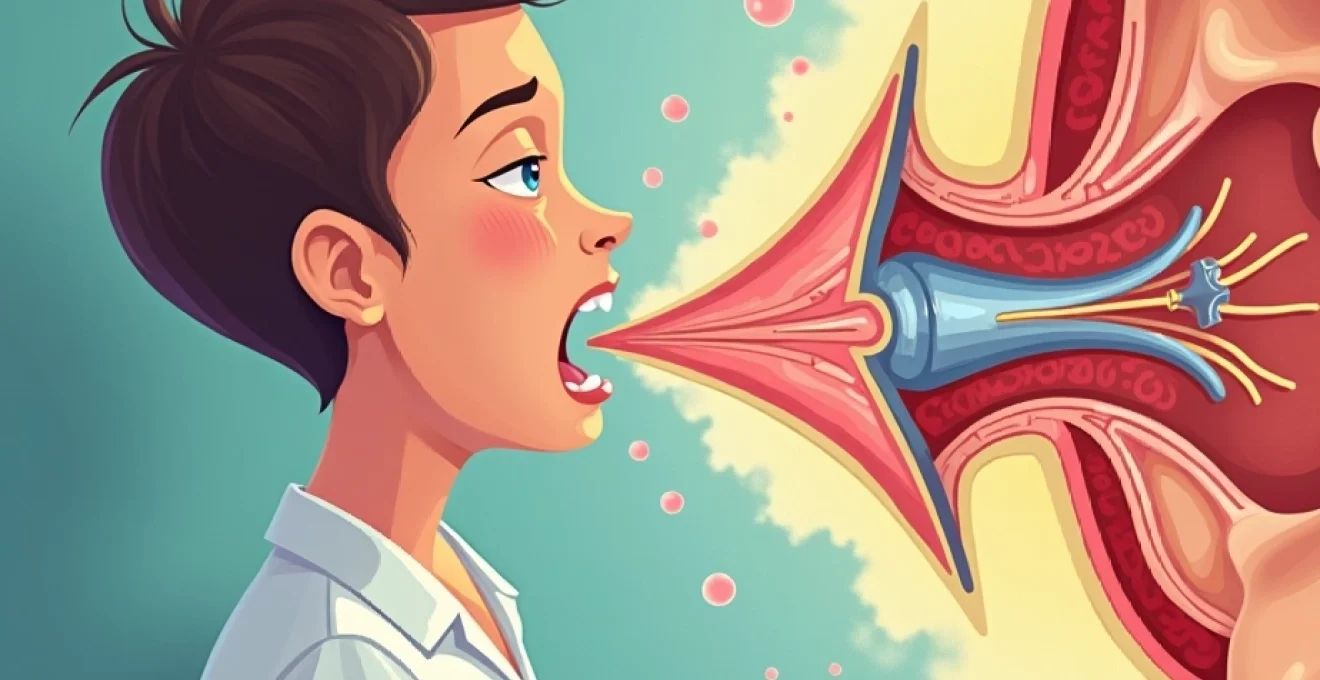
The sudden sharp pain that shoots through your ears when you sneeze is a surprisingly common experience that affects millions of people worldwide. This phenomenon, medically known as sneeze-induced otalgia , occurs due to the complex interplay between your respiratory system, auditory pathways, and the delicate pressure dynamics within your ears. Understanding the mechanisms behind this discomfort can help you recognise when it’s a normal physiological response and when it might indicate an underlying condition requiring medical attention.
The human ear is intricately connected to various anatomical structures through a network of tubes, nerves, and muscles that work together to maintain proper hearing and balance. When you sneeze, the forceful expulsion of air creates dramatic pressure changes throughout your head and neck region, directly impacting these sensitive ear structures. This interconnected system means that what begins as a simple respiratory reflex can quickly translate into significant auricular discomfort.
Eustachian tube dysfunction and pressure dynamics during sneezing
The primary culprit behind sneeze-related ear pain is often dysfunction within the eustachian tubes, those crucial connective passages linking your middle ears to the back of your throat. These narrow tubes, each measuring approximately 35-38 millimetres in length, serve as vital pressure equalisation channels that maintain optimal hearing function and prevent fluid accumulation.
Anatomical structure of the eustachian tube and middle ear connection
The eustachian tubes possess a unique anatomical design that makes them particularly susceptible to pressure-related complications during sneezing episodes. These tubes feature a cartilaginous portion near the throat and a bony section closer to the middle ear, creating a natural bottleneck where blockages commonly occur. The mucosal lining within these tubes can become inflamed due to allergies, infections, or environmental irritants, further narrowing the already restricted passageway.
During normal breathing and swallowing, the eustachian tubes open briefly to allow air pressure equalisation between the middle ear cavity and the external environment. However, when inflammation or excessive mucus production occurs, these tubes can become partially or completely blocked. This blockage prevents the normal pressure regulation that your ears require, setting the stage for pain during forceful respiratory actions like sneezing.
Barotrauma mechanisms in the tympanic cavity
When you sneeze, the sudden increase in intrathoracic pressure can reach levels of 100-200 mmHg above normal atmospheric pressure. This dramatic pressure spike travels through your respiratory system and attempts to equalise through the eustachian tubes. If these tubes are blocked or functioning poorly, the pressure differential between your middle ear and the surrounding environment can become extreme, leading to barotrauma – tissue damage caused by pressure changes.
The tympanic membrane, or eardrum, bears the brunt of this pressure differential. This delicate structure, measuring only 0.1 millimetres in thickness, must suddenly accommodate massive pressure changes that can exceed its normal range of tolerance. The resulting stretching and displacement of the eardrum creates the characteristic sharp, stabbing pain many people experience during sneezing.
Valsalva manoeuvre effects on auricular pressure systems
Sneezing essentially creates an involuntary Valsalva manoeuvre – a forced expiration against a closed or partially closed airway. This physiological action dramatically increases pressure throughout the thoracic cavity and head region. Unlike a controlled Valsalva manoeuvre performed to equalise ear pressure during air travel, sneezing creates sudden, uncontrolled pressure spikes that your ear’s protective mechanisms cannot adequately manage.
The rapid pressure changes associated with sneezing can temporarily overwhelm the eustachian tube’s ability to regulate middle ear pressure. This overwhelming effect is particularly pronounced in individuals with pre-existing eustachian tube dysfunction, seasonal allergies, or recent upper respiratory infections that have compromised normal tube function.
Tensor tympani and stapedius muscle reflex responses
Your ears possess two tiny muscles – the tensor tympani and stapedius – that normally contract reflexively to protect your hearing from loud sounds. During sneezing, these muscles may contract vigorously in response to the sudden pressure changes and the loud sound of the sneeze itself. This protective muscle contraction can contribute to the sensation of ear pain and temporary hearing changes that often accompany sneeze-induced discomfort.
The stapedius muscle, the smallest skeletal muscle in the human body, plays a crucial role in dampening sound transmission through the middle ear. When this muscle contracts excessively during sneezing, it can create additional tension within the middle ear space, compounding the pressure-related pain and creating a sensation of fullness or muffled hearing.
Physiological mechanisms of Sneeze-Induced otalgia
The pain experienced during sneezing involves multiple physiological pathways beyond simple pressure changes. Understanding these mechanisms provides insight into why some individuals are more susceptible to sneeze-related ear pain than others and helps explain the varying intensity and characteristics of the discomfort.
Trigeminal nerve pathway activation and Cross-Innervation
The trigeminal nerve, responsible for facial sensation and certain motor functions, plays a significant role in both sneezing reflexes and ear pain perception. This cranial nerve has extensive connections throughout the head and neck region, creating pathways for referred pain between seemingly unrelated anatomical structures. When you sneeze, intense trigeminal nerve activation can trigger pain signals that radiate to the ear region even when the primary source of irritation is elsewhere.
Cross-innervation between the trigeminal nerve and other cranial nerves involved in hearing and balance can amplify pain signals during sneezing episodes. This neural interconnectedness explains why individuals with trigeminal neuralgia or other nerve-related conditions often experience more severe ear pain during sneezing compared to those with normal nerve function.
Sudden intracranial pressure changes and cochlear impact
Sneezing creates temporary but significant increases in intracranial pressure that can reach 60-80 mmHg above baseline levels. These pressure spikes affect not only the middle ear but also the inner ear structures, including the cochlea and vestibular organs. The cochlea, responsible for converting sound waves into neural signals, contains delicate fluid-filled chambers that can be disrupted by sudden pressure changes.
The perilymph and endolymph fluids within the inner ear maintain precise pressure relationships essential for normal hearing function. When sneezing creates sudden intracranial pressure spikes, these fluid systems can become temporarily imbalanced, leading to ear pain, tinnitus, or brief hearing changes. This mechanism is particularly relevant for individuals with pre-existing inner ear conditions or those prone to migraines.
Temporomandibular joint displacement during forceful expiration
The powerful muscle contractions involved in sneezing extend beyond the respiratory system to include jaw muscles and the temporomandibular joint (TMJ). During a forceful sneeze, the rapid opening of the mouth and subsequent muscle contractions can temporarily displace or strain the TMJ, creating referred pain in the ear region.
The close anatomical proximity between the TMJ and the ear canal means that joint dysfunction or muscle tension in this area frequently manifests as ear pain. Individuals with existing TMJ disorders or bruxism (teeth grinding) are particularly susceptible to sneeze-induced ear pain through this mechanism, as their jaw muscles and joints are already under increased tension.
Sinus pressure redistribution and otitic referred pain
Your paranasal sinuses – air-filled cavities within the skull bones – are directly connected to both your nasal passages and, indirectly, to your ears through shared drainage pathways. When you sneeze, the dramatic pressure changes within the sinus cavities can create referred pain patterns that extend to the ear region. This occurs because the same nerve pathways that serve the sinuses also provide sensation to parts of the ear structure.
Individuals with chronic sinusitis, seasonal allergies, or nasal polyps often experience more pronounced ear pain during sneezing due to compromised sinus drainage and increased baseline inflammation. The interconnected nature of the upper respiratory tract means that congestion or inflammation in one area quickly affects related structures, creating a cascade of symptoms that can include significant ear discomfort.
Medical conditions contributing to Sneeze-Related ear pain
While occasional ear pain during sneezing is generally benign, certain medical conditions can significantly exacerbate this symptom or make it more frequent and severe. Understanding these underlying conditions helps distinguish between normal physiological responses and situations requiring medical intervention.
Acute otitis media, commonly known as a middle ear infection, dramatically increases sensitivity to pressure changes during sneezing. When bacteria or viruses infect the middle ear space, inflammation and fluid accumulation create an environment where even minor pressure fluctuations can cause severe pain. The infected middle ear becomes a closed system unable to equalise pressure effectively, making each sneeze a potentially excruciating experience.
Chronic eustachian tube dysfunction affects approximately 4% of adults worldwide and represents one of the most common causes of persistent sneeze-related ear pain. This condition can result from structural abnormalities, chronic inflammation, or scarring from previous infections. Individuals with this dysfunction experience ongoing difficulty equalising ear pressure, making them particularly vulnerable to pain during any activity that creates pressure changes, including sneezing.
Allergic rhinitis affects over 400 million people globally and creates chronic inflammation throughout the upper respiratory tract, significantly impacting eustachian tube function and increasing susceptibility to sneeze-induced ear pain.
Barotrauma from previous air travel, diving, or other pressure-related activities can leave the ear structures more sensitive to subsequent pressure changes. Individuals who have experienced airplane ear or diving-related ear injuries often report increased sensitivity to sneeze-related pressure changes for weeks or months following the initial trauma. This heightened sensitivity occurs because the damaged tissues require time to heal and regain their normal pressure tolerance.
Temporomandibular joint disorders affect an estimated 12% of the population and frequently contribute to ear pain during various activities, including sneezing. The shared nerve pathways between the jaw joint and ear structures mean that any dysfunction or inflammation in the TMJ can manifest as ear pain during forceful jaw movements associated with sneezing.
Diagnostic approaches for Sneeze-Associated otalgia
Healthcare professionals employ various diagnostic methods to evaluate patients experiencing persistent or severe ear pain during sneezing. The diagnostic process typically begins with a comprehensive medical history focusing on the frequency, intensity, and characteristics of the pain, along with any associated symptoms such as hearing changes, discharge, or balance problems.
Otoscopic examination represents the primary diagnostic tool for evaluating ear-related complaints. During this examination, healthcare providers use a specialised instrument to visualise the ear canal and tympanic membrane, looking for signs of infection, inflammation, perforation, or abnormal pressure effects. The appearance of the eardrum can provide valuable information about middle ear pressure status and the presence of fluid accumulation.
Tympanometry offers objective measurement of eustachian tube function and middle ear pressure dynamics. This test involves placing a probe in the ear canal and measuring how the eardrum responds to controlled pressure changes. Abnormal tympanogram patterns can identify eustachian tube dysfunction, middle ear fluid, or other pressure-related abnormalities that contribute to sneeze-induced pain.
Audiological assessment may be necessary for patients experiencing hearing changes alongside sneeze-related ear pain. Pure tone audiometry and speech testing can identify hearing loss patterns that might indicate inner ear involvement or chronic middle ear problems. These tests help differentiate between conductive hearing loss (related to middle ear problems) and sensorineural hearing loss (related to inner ear or nerve problems).
Advanced imaging studies, such as computed tomography (CT) or magnetic resonance imaging (MRI), may be recommended for patients with persistent symptoms or suspected structural abnormalities. CT scans excel at visualising bony structures and can identify anatomical variations in the eustachian tubes, mastoid air cells, or middle ear spaces that might contribute to pressure-related problems.
Prevention strategies and modified sneezing techniques
Preventing sneeze-related ear pain involves both addressing underlying conditions and modifying the sneezing process itself to reduce pressure-related trauma. These strategies can significantly reduce the frequency and intensity of ear pain episodes while maintaining the protective benefits of the sneeze reflex.
The most effective prevention strategy involves managing underlying conditions that contribute to eustachian tube dysfunction. For individuals with allergic rhinitis, consistent use of antihistamines, nasal corticosteroids, or allergen avoidance measures can reduce chronic inflammation and improve eustachian tube function. Those with chronic sinusitis benefit from nasal irrigation, appropriate antibiotic therapy, or surgical intervention to restore normal sinus drainage.
Modified sneezing techniques can reduce peak pressure by up to 50% compared to suppressed or forcefully expelled sneezes, significantly decreasing the risk of ear pain and potential barotrauma.
The “open mouth” sneezing technique represents one of the most effective modifications for reducing ear pain. Instead of trying to suppress a sneeze or allowing it to build up pressure behind closed lips, individuals should allow the mouth to open naturally during the sneeze. This technique provides an additional outlet for the pressurised air, reducing the pressure load on the eustachian tubes and middle ear structures.
- Keep tissues readily available to maintain hygiene while allowing natural mouth opening
- Avoid forcefully suppressing sneezes, which can create dangerous pressure buildups
- Practice gentle nose-blowing techniques to prevent additional pressure trauma
- Consider nasal decongestants before allergy season or when upper respiratory symptoms develop
Environmental modifications can reduce sneeze frequency and intensity, thereby minimising opportunities for ear pain episodes. High-efficiency particulate air (HEPA) filters remove common allergens from indoor environments, while humidity control prevents both excessive dryness (which irritates nasal passages) and excessive moisture (which promotes mould growth).
Regular eustachian tube exercises, such as gentle swallowing, yawning, or controlled jaw movements, can help maintain tube patency and improve pressure equalisation capabilities. These exercises are particularly beneficial for individuals with chronic eustachian tube dysfunction or those recovering from upper respiratory infections.
When to seek medical intervention for persistent symptoms
While occasional ear pain during sneezing is generally benign, certain warning signs indicate the need for prompt medical evaluation. Understanding these red flags helps individuals distinguish between normal physiological responses and potentially serious conditions requiring professional intervention.
Persistent ear pain lasting more than 72 hours after sneezing episodes warrants medical evaluation, particularly when accompanied by fever, hearing changes, or discharge from the ear. These symptoms may indicate bacterial infection, eustachian tube dysfunction, or other conditions requiring specific treatment. Early intervention prevents complications and reduces the risk of chronic problems developing.
Sudden, severe hearing loss following sneeze-related ear pain represents a medical emergency requiring immediate attention. This symptom combination can indicate inner ear barotrauma, perilymphatic fistula, or other serious conditions that may result in permanent hearing impairment if not promptly treated. Emergency department evaluation or urgent ENT consultation is appropriate in these situations.
Recurrent episodes of severe ear pain during sneezing, particularly when interfering with daily activities or sleep, justify comprehensive otolaryngological evaluation. Chronic symptoms often indicate underlying structural abnormalities, persistent infections, or other conditions that benefit from specialised diagnosis and treatment approaches.
The presence of neurological symptoms such as facial numbness, weakness, or balance problems alongside sneeze-related ear pain requires immediate medical assessment. These symptoms may indicate involvement of cranial nerves or central nervous system structures, warranting urgent neurological evaluation and potential imaging studies.
Individuals with pre-existing ear conditions, recent ear surgery, or history of ear trauma should maintain lower thresholds for seeking medical care when experiencing sneeze-related symptoms. These patients have increased vulnerability to pressure-related complications and may require specialised management approaches to prevent serious complications.