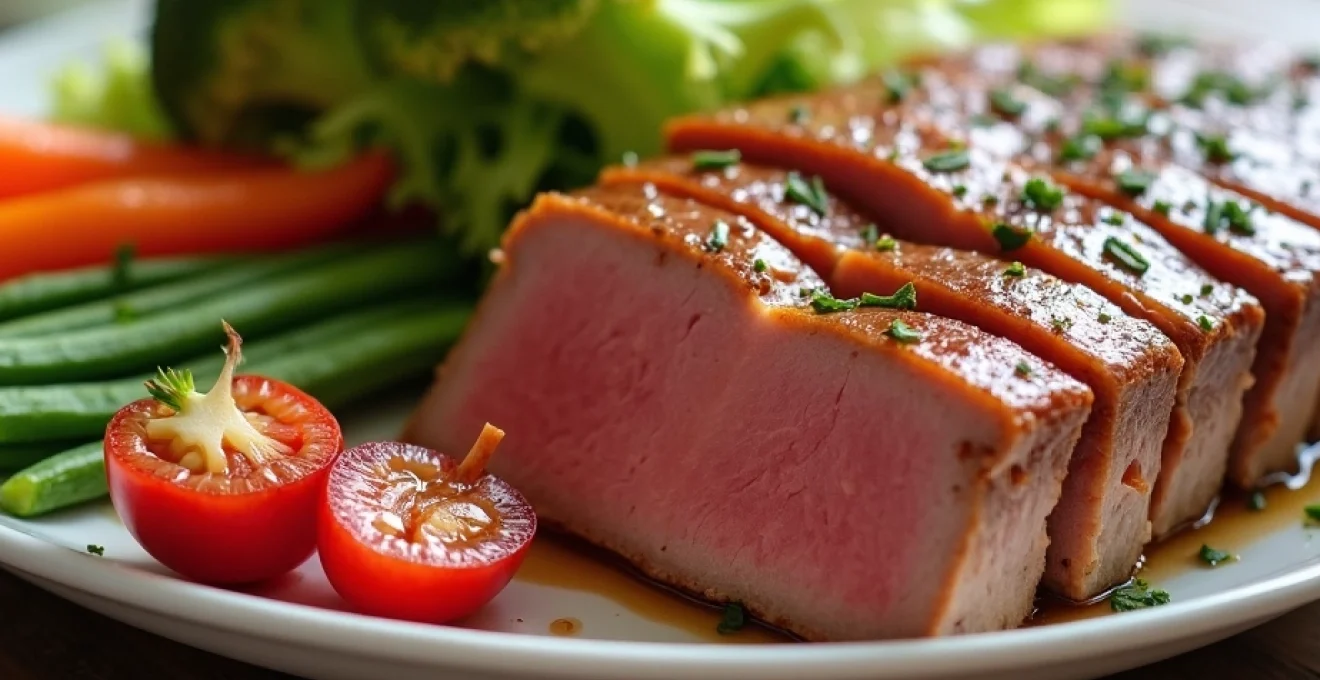
Navigating a yeast-free dietary approach requires careful consideration of food choices, particularly when addressing candida overgrowth or yeast-related health concerns. The elimination of specific foods that harbour yeasts, promote fungal growth, or compromise immune function becomes paramount in therapeutic nutrition protocols. This comprehensive guide explores the extensive range of permitted foods that support systemic balance whilst maintaining nutritional adequacy during candida elimination phases.
Understanding which foods to include becomes as crucial as knowing what to avoid. The strategic selection of anti-fungal, nutrient-dense options can significantly impact recovery outcomes and long-term digestive health. Modern nutritional science increasingly recognises the profound connection between dietary choices and mycological balance within the human microbiome.
Understanding candida albicans and saccharomyces cerevisiae elimination protocols
Candida albicans, a naturally occurring fungal organism in the human digestive tract, can proliferate beyond healthy levels when environmental conditions favour its growth. Sugar serves as the primary nutrient source for yeasts , making carbohydrate restriction a cornerstone of therapeutic intervention. Research indicates that excessive refined carbohydrate consumption, antibiotic usage, and compromised immune function create ideal conditions for fungal overgrowth.
The elimination protocol extends beyond simple yeast avoidance to encompass foods that undergo fermentation processes or naturally contain fungal elements. Saccharomyces cerevisiae, commonly known as baker’s or brewer’s yeast, appears in numerous commercial food products as a flavour enhancer or leavening agent. Identifying these hidden sources becomes essential for protocol success.
Systematic elimination of yeast-containing foods, combined with strategic nutrient timing, creates an inhospitable environment for fungal proliferation whilst supporting beneficial bacterial populations.
Contemporary elimination protocols typically span 4-12 weeks, depending on individual symptom severity and metabolic factors. The approach requires meticulous attention to food labels, as manufacturers frequently incorporate yeast extracts into processed products for umami flavour enhancement. Understanding the distinction between naturally occurring yeasts on fruit skins and deliberately added commercial yeasts guides appropriate food selection strategies.
Permitted protein sources in Anti-Fungal dietary regimens
High-quality protein sources form the foundation of successful yeast elimination protocols, providing essential amino acids whilst maintaining stable blood glucose levels. Unlike carbohydrate-rich foods that can feed fungal populations, clean protein sources support immune function and tissue repair without compromising therapeutic objectives.
Grass-fed beef and Free-Range poultry selection criteria
Grass-fed beef offers superior fatty acid profiles compared to conventionally raised alternatives, with higher concentrations of conjugated linoleic acid and omega-3 fatty acids. These beneficial fats possess natural anti-inflammatory properties that support immune system regulation during candida elimination phases. Free-range poultry provides complete protein profiles whilst avoiding the antibiotic residues commonly found in conventional farming systems.
Selection criteria should prioritise organic certification and transparent farming practices. Pasture-raised animals typically exhibit lower stress hormone levels, translating to more nutritionally dense meat products. The absence of routine antibiotic administration prevents disruption of beneficial gut bacteria populations, a critical consideration during mycological rebalancing protocols.
Wild-caught fish species: salmon, sardines, and mackerel guidelines
Wild-caught fish species provide exceptional protein quality alongside beneficial omega-3 fatty acids that support anti-inflammatory pathways. Salmon, sardines, and mackerel contain particularly high concentrations of eicosapentaenoic acid (EPA) and docosahexaenoic acid (DHA), which modulate immune responses and cellular membrane integrity.
Mercury considerations necessitate rotation among smaller fish species, with sardines and anchovies representing optimal choices for frequent consumption. Cold-water fish naturally contain compounds that inhibit pathogenic bacterial and fungal growth , making them particularly valuable during elimination protocols. Preparation methods should avoid breading or coating ingredients that might contain hidden yeast sources.
Organic eggs and Pasture-Raised animal products
Organic eggs from pasture-raised hens provide complete amino acid profiles alongside vital nutrients including choline, selenium, and vitamin D. The lecithin content supports liver detoxification pathways, crucial during candida die-off phases. Pastured eggs typically contain 2-3 times higher omega-3 concentrations compared to conventional alternatives.
Quality assessment involves examining yolk colour and shell strength, with vibrant orange yolks indicating superior nutrient density. Free-range access allows hens to consume insects and varied plant materials, resulting in more diverse nutrient profiles. Avoiding eggs from confined feeding operations prevents exposure to residual antibiotics and inflammatory omega-6 fatty acid imbalances.
Plant-based proteins: hemp seeds, pumpkin seeds, and chia applications
Plant-based protein sources offer valuable alternatives whilst providing additional therapeutic compounds. Hemp seeds contain all essential amino acids alongside gamma-linolenic acid (GLA), which supports hormonal balance and inflammatory modulation. Pumpkin seeds provide zinc, magnesium, and tryptophan, nutrients commonly depleted during chronic candida overgrowth.
Chia seeds contribute soluble fibre that supports beneficial bacterial populations whilst providing sustainable energy release. These seeds undergo natural soaking to enhance digestibility and nutrient absorption. Protein combining strategies ensure complete amino acid profiles when relying primarily on plant sources during elimination protocols.
Low-glycaemic vegetables and Anti-Mycotic plant foods
Vegetable selection focuses on low-glycaemic options that provide essential nutrients without promoting fungal growth through elevated blood glucose levels. Anti-mycotic plant compounds offer additional therapeutic benefits, creating synergistic effects that support natural candida regulation. The emphasis on fresh, organic produce minimises exposure to agricultural chemicals that can disrupt beneficial microbial populations.
Cruciferous vegetables: broccoli, kale, and brussels sprouts protocols
Cruciferous vegetables contain glucosinolates that convert to isothiocyanates during digestion, compounds with demonstrated anti-fungal properties. Broccoli provides sulforaphane, a potent compound that supports liver detoxification pathways essential during candida elimination. Kale offers exceptional nutrient density with high concentrations of vitamins A, C, and K alongside minerals that support immune function.
Brussels sprouts contain unique compounds that promote beneficial bacterial growth whilst inhibiting pathogenic organisms. Preparation methods should preserve these therapeutic compounds through light steaming or raw consumption when possible. Rotation among various cruciferous options prevents monotony whilst maximising nutrient diversity and therapeutic potential.
Allium family integration: garlic, onions, and leeks for candida control
The allium family provides powerful anti-fungal compounds, particularly allicin in garlic, which demonstrates direct inhibitory effects against candida species. Fresh garlic consumption, ideally crushed and allowed to sit for 10 minutes before consumption, maximises allicin formation and bioavailability. Onions contain quercetin and sulfur compounds that support immune function whilst providing prebiotic fibres for beneficial bacteria.
Leeks offer milder flavours alongside similar therapeutic compounds, making them suitable for those sensitive to stronger allium varieties. Regular inclusion of these vegetables in meal preparation supports natural antifungal activity whilst providing essential nutrients. Raw consumption when tolerated provides maximum therapeutic benefit, though cooked preparations remain valuable.
Leafy greens optimisation: spinach, rocket, and swiss chard selection
Leafy greens provide exceptional mineral density, particularly magnesium and iron, nutrients commonly depleted during chronic candida overgrowth. Spinach offers folate and nitrates that support cardiovascular function and cellular energy production. Rocket contains glucosinolates similar to other cruciferous vegetables, contributing to natural detoxification processes.
Swiss chard provides betalains, unique antioxidant compounds with anti-inflammatory properties. Organic selection criteria become particularly important for leafy greens due to their high surface area and tendency to concentrate agricultural residues. Thorough washing protocols remove surface yeasts whilst preserving nutritional integrity.
Low-starch root vegetables: turnips, radishes, and celeriac preparation
Low-starch root vegetables provide satisfying textures whilst maintaining glycaemic control essential during candida elimination. Turnips offer mild flavours alongside vitamin C and fibre that support digestive health. Radishes contain natural antimicrobial compounds that complement therapeutic protocols whilst providing crisp textures and peppery flavours.
Celeriac provides potassium and vitamin K alongside unique flavour profiles that enhance meal variety. These vegetables can be spiralised, roasted, or consumed raw to maintain nutritional value whilst preventing blood glucose spikes. Proper storage prevents the development of surface moulds that could compromise therapeutic objectives.
Permitted fats and oils for systemic candida management
Healthy fat selection plays a crucial role in candida management protocols, providing essential fatty acids whilst supporting nutrient absorption and satiety. Medium-chain triglycerides (MCTs) possess unique anti-fungal properties, making coconut oil particularly valuable during elimination phases. Extra-virgin olive oil provides polyphenolic compounds with demonstrated antimicrobial effects against various pathogenic organisms including candida species.
Avocado oil offers exceptional stability at higher cooking temperatures whilst providing monounsaturated fats that support cardiovascular health. The oil’s neutral flavour profile makes it versatile for various culinary applications. Cold-pressed extraction methods preserve therapeutic compounds whilst avoiding chemical processing that might introduce contaminants.
Sesame oil contains sesamol and sesamin, compounds with natural antimicrobial properties that complement candida elimination protocols. Omega-3 supplementation through fish oils provides anti-inflammatory support crucial during die-off phases. Quality assessment involves evaluating extraction methods, storage conditions, and third-party testing for purity verification.
Strategic fat selection not only provides essential nutrients but actively contributes to creating an inhospitable environment for pathogenic yeast proliferation whilst supporting beneficial microbial populations.
Flaxseed oil offers plant-based omega-3 fatty acids, though conversion efficiency to active EPA and DHA forms varies among individuals. Fresh grinding of flaxseeds maximises nutrient availability whilst preventing rancidity. Storage considerations become paramount, with refrigeration and dark containers preserving oil integrity and therapeutic potential.
Yeast-free grains and alternative carbohydrate sources
Grain selection requires careful evaluation of processing methods and natural yeast content. Quinoa provides complete protein profiles alongside complex carbohydrates that support sustained energy without promoting fungal growth. This pseudo-cereal offers exceptional nutrient density with high concentrations of magnesium, iron, and B-vitamins commonly depleted during candida overgrowth.
Brown rice serves as a foundational carbohydrate source, providing B-vitamins and fibre whilst maintaining glycaemic stability. Wild rice varieties offer superior mineral content and unique flavour profiles that enhance meal satisfaction. Proper preparation through thorough rinsing removes surface contaminants whilst preserving nutritional integrity.
Buckwheat, despite its name, contains no wheat and provides rutin, a flavonoid with anti-inflammatory properties. Millet preparation techniques involve pre-soaking to enhance digestibility and mineral absorption. These ancient grains offer alternatives to wheat-based products whilst supporting nutritional requirements during elimination protocols.
Amaranth provides exceptional protein quality alongside minerals essential for immune function. The grain’s versatility allows for various preparation methods from porridge to flour alternatives. Storage in airtight containers prevents moisture accumulation that could promote mould development, maintaining the grain’s therapeutic value throughout extended protocols.
Approved beverages and hydration strategies during candida cleansing
Proper hydration becomes essential during candida elimination protocols, supporting toxin elimination whilst maintaining cellular function. Filtered water serves as the primary hydration source , removing chlorine and contaminants that could disrupt beneficial bacterial populations. Quality filtration systems address various contaminants whilst preserving beneficial mineral content essential for optimal physiological function.
Herbal teas provide therapeutic compounds alongside hydration benefits. Pau d’arco tea contains lapachol, a compound with demonstrated anti-fungal properties against candida species. Ginger tea supports digestive function whilst providing anti-inflammatory benefits crucial during die-off phases. Green tea preparation preserves catechins and EGCG compounds that possess antimicrobial properties.
Strategic beverage selection transforms routine hydration into therapeutic opportunity, providing compounds that actively support candida elimination whilst maintaining optimal physiological function.
Coconut milk provides medium-chain triglycerides with natural anti-fungal properties alongside creamy texture for culinary applications. Fresh preparation ensures absence of stabilisers and preservatives that might compromise therapeutic objectives. Bone broth offers amino acids and minerals that support immune function whilst providing satisfying alternatives to traditional beverages.
Vegetable juices from approved sources provide concentrated nutrients whilst maintaining glycaemic control. Celery juice offers natural sodium and potassium alongside compounds that support adrenal function. Fresh preparation prevents oxidation and preserves therapeutic compounds that support overall protocol effectiveness throughout the elimination phase.